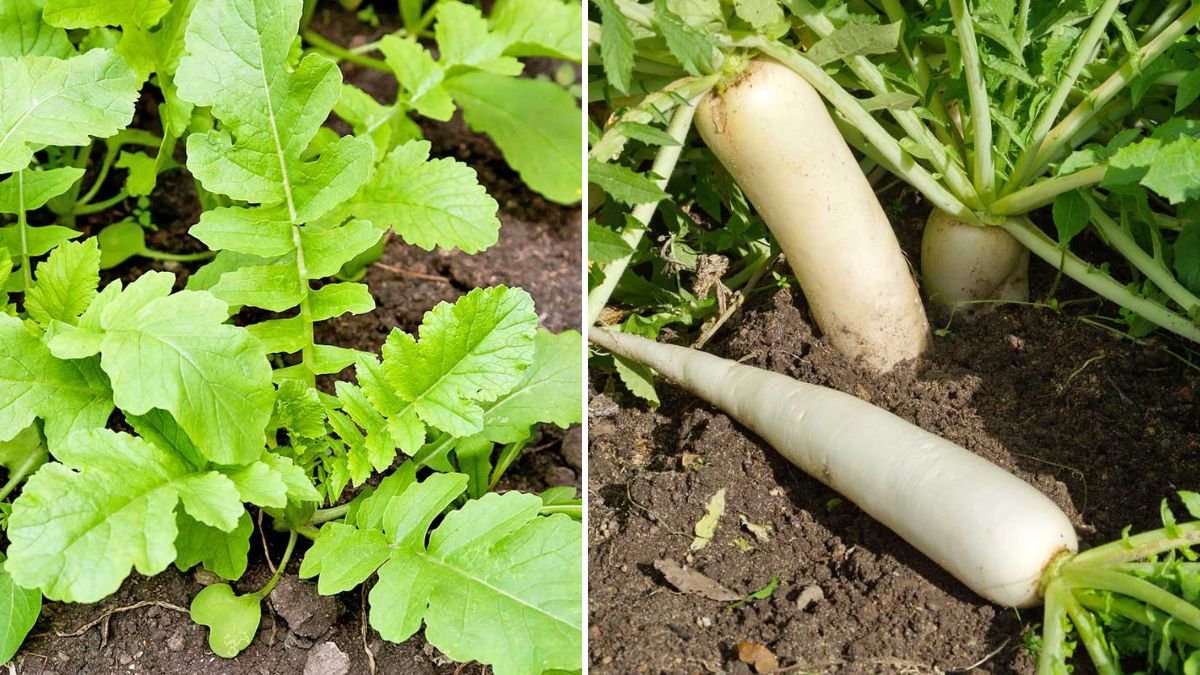
Japanese radish—commonly known as Daikon—is one of the easiest and most satisfying root vegetables to grow at home. With its crisp texture, mild flavor, fast growth, and incredible versatility in the kitchen, Daikon has become a favorite among home gardeners worldwide. The best part? You can grow beautiful, long, white radishes directly from seeds, even if you have limited space, minimal experience, or only a small garden bed.
In this comprehensive 1200-word guide, you’ll learn exactly how to plant, care for, and harvest Japanese radish successfully, resulting in large, juicy, and delicious roots.
Introduction: Why Grow Japanese Radish (Daikon)?
Daikon radish is a traditional vegetable in Japanese and East Asian cuisine. It is known for its:
- Fast growth (30–60 days)
- Excellent cold tolerance
- Ability to grow in small or large spaces
- Versatility in soups, pickles, salads, stir-fries, and fermentations
- Nutrient-rich profile (Vitamin C, fiber, digestive enzymes)
Unlike regular round radishes, Daikon grows long and slender, needing deep, loose soil. But with the right techniques, even home gardeners can grow smooth, straight, and flavorful radishes with minimal effort.
Step 1: Choosing the Best Seeds

Start with high-quality Japanese radish seeds. Look for:
- “Daikon,” “Japanese radish,” or “Mooli” on the packet
- Varieties like Minowase, Miyashige, Shunkyo, or Tokinashi
- Fresh, untreated, non-GMO seeds
You can grow Daikon in:
- Raised beds
- Deep containers
- Home gardens
- Balcony boxes (at least 30–40 cm deep)
Because Daikon grows quickly, it’s easy to start multiple batches throughout the season.
Step 2: Understanding the Ideal Growing Season
Daikon prefers cool temperatures and grows best in:
- Autumn
- Winter
- Early Spring
Ideal temperature: 10°C–25°C
Cool weather prevents bolting (premature flowering) and ensures the roots grow thick and tender.
In warmer regions, plant Daikon:
- After monsoon
- During late autumn
- Through winter
In cooler climates, sow seeds:
- Late summer
- Early autumn
Step 3: Preparing Soil for Long, Smooth Radishes
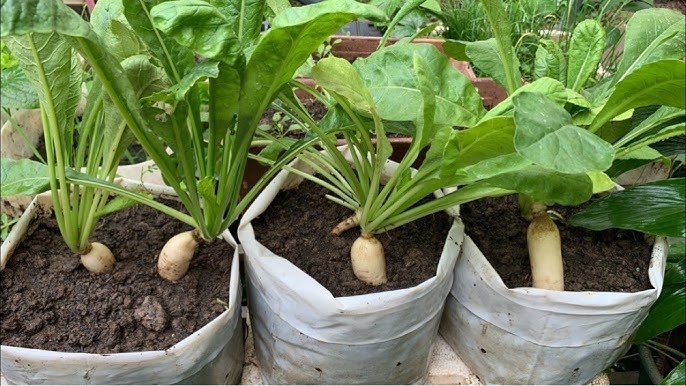
For Japanese radish, soil preparation is the key to getting long, straight roots.
Soil requirements
- Soft
- Deep (at least 30–45 cm)
- Well-draining
- Sandy-loam or loose garden soil
Dense or hard soil leads to crooked, forked roots.
Perfect soil mix
For garden beds:
- 50% loose garden soil
- 30% compost
- 20% sand or cocopeat
For containers:
- 40% garden soil
- 40% compost
- 20% cocopeat/sand
Add:
- 1 handful bone meal (root booster)
- 1 handful wood ash (potassium for flavor)
- 1 handful neem cake (natural pest control)
Mix thoroughly and remove stones or clumps.
Step 4: Sowing Japanese Radish Seeds
Daikon seeds are small, making them extremely easy to sow.
How to sow
- Make shallow channels or holes about 1–1.5 cm deep.
- Space seeds 2–3 inches apart.
- For container gardening, sow in rows 15 cm apart.
- Cover gently with soil.
- Water lightly but thoroughly.
Seeds germinate within 3–7 days.
Thinning
Once seedlings reach 7–10 cm tall:
- Remove weaker plants
- Keep one healthy seedling every 10–15 cm
Thinning is vital—crowded radishes become thin and stunted.
Step 5: Watering for Fast, Healthy Growth

Daikon must grow continuously without stress for perfect roots.
Watering routine
- Keep soil consistently moist, not soggy.
- Water 3–4 times a week depending on weather.
- Avoid drying out, which causes:
- Hard texture
- Spicy flavor
- Cracked roots
Mulch lightly with straw or dry leaves to retain moisture.
Step 6: Fertilizing Japanese Radish
Daikon doesn’t need heavy feeding, but balanced nutrition improves root size and taste.
Every 10–12 days, apply:
- Vermicompost
- Liquid compost tea
- Banana peel tea (optional)
- Fish amino solution (optional)
Avoid too much nitrogen—it makes leaves large but roots small.
Focus on phosphorus and potassium for root development.
Step 7: Sunlight and Temperature Requirements
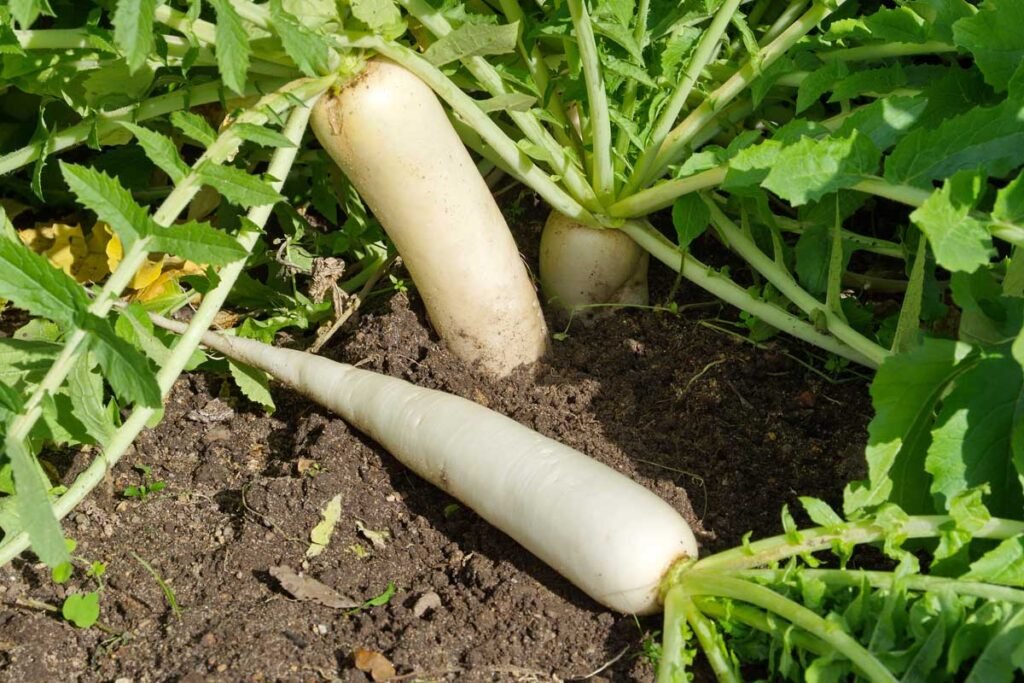
Daikon prefers:
- Full sunlight (6–8 hours daily)
- Cool daytime temperatures
- Cooler nights
Shady areas lead to slow growth and small roots.
Step 8: Protecting Your Plants from Pests & Diseases
Common issues:
- Aphids
- Flea beetles
- Leaf miners
- Root maggots (rare in containers)
- Fungal leaf spots
Simple organic solutions
Neem oil spray (every 7–10 days)
Garlic-chili spray for pests
Soap-water spray for aphids
Good drainage to prevent fungus
Keep area clean
Growing in containers naturally reduces pest issues.
Step 9: Watching Your Radishes Grow
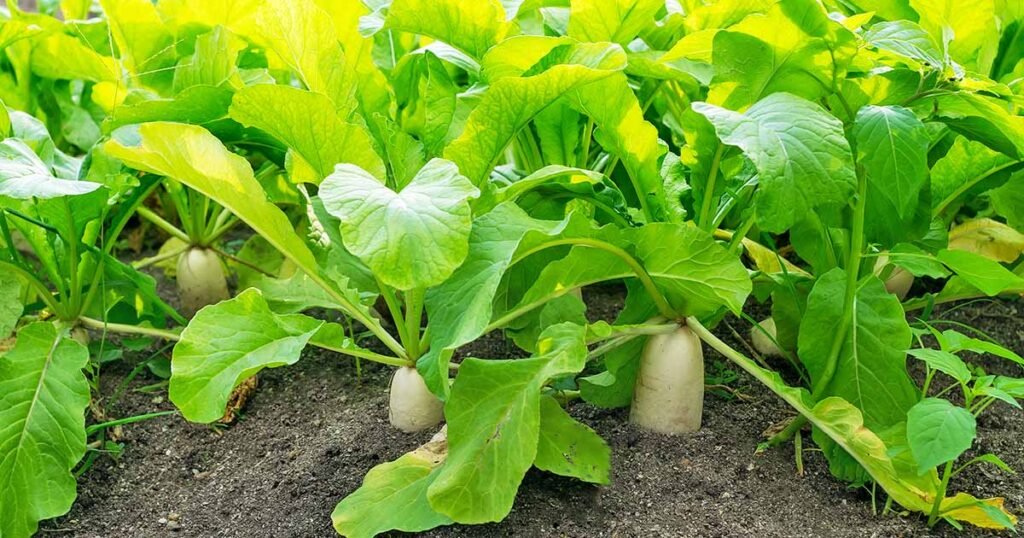
As Daikon grows:
- Leaves become large and upright
- The white root begins to push slightly above the soil
- The plant grows quickly during cool weather
Keep soil loose around the root base to avoid deformities.
Step 10: Harvesting Perfect Japanese Radishes
Daikon grows rapidly—most varieties are ready in:
- 30–55 days
Signs your Daikon is ready:
- 2–3 cm of the root is visible
- Leaves spreading wide
- Root size matches packet description
- Leaves are firm and green
How to harvest
- Loosen soil gently around the root.
- Hold the base of leaves firmly.
- Pull upward slowly in one motion.
- Brush off soil, do not scrub harshly.
Young radishes are tender and sweet.
Overgrown radishes become fibrous and spicy.
Step 11: Using and Storing Japanese Radish
Freshly harvested Daikon is crisp and juicy.
How to use
- Salads
- Soups
- Pickles (Takuan, Kimchi radish)
- Stir-fries
- Juices
- Garnish for sushi
- Fermented dishes
Storage
- Refrigerate in plastic wrap or paper towel
- Stays fresh for 7–14 days
- Remove leaves before storage (they drain moisture)
Bonus: Growing More Daikon All Year
You can grow multiple batches throughout the year:
- Sow every 2–3 weeks for continuous harvest
- Choose fast-growing varieties for small containers
- Use deep containers for long radishes
- Let one plant flower for seed saving
Daikon flowers attract bees and beneficial insects.
Conclusion: Growing Japanese Radish Is Simple, Fast, and Rewarding
Growing Japanese radish from seeds is among the easiest gardening tasks—even beginners can harvest beautiful white roots in just one month. With proper soil, sufficient moisture, cool weather, and consistent care, you can enjoy delicious homegrown Daikon throughout the year.
This method is perfect for:
- Home gardeners
- Balcony growers
- Beginners
- Kids learning gardening
- Small-space vegetable gardens
With just a handful of seeds and some loose soil, you can enjoy crisp, fresh, and nutritious Japanese radishes from your own garden—quickly and effortlessly!