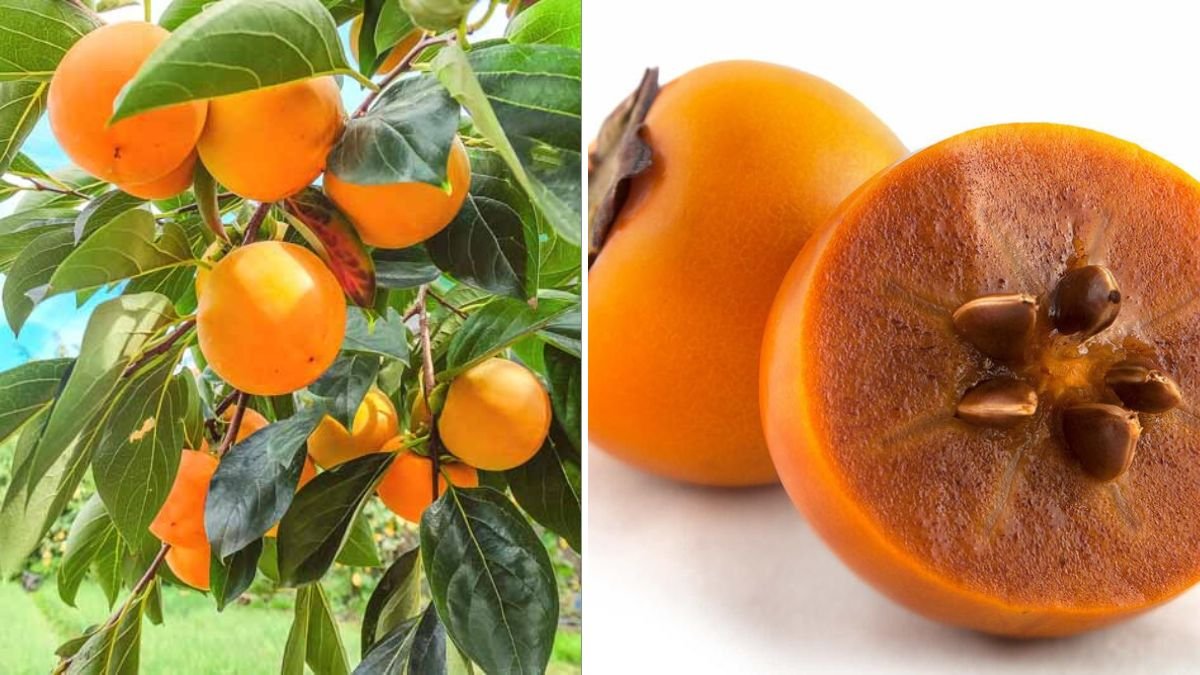
Persimmons—sweet, bright, and beautifully autumn-colored—are more than just delicious fruits. With a little patience and proper technique, you can grow your own persimmon tree right at home starting from a simple store-bought fruit. Whether you have a garden or only a few containers, growing persimmons from seeds is an incredibly rewarding long-term project that brings beauty, shade, and edible harvests right to your home.
In this full 1200-word guide, you’ll learn exactly how to extract viable seeds, germinate them successfully, care for the seedlings, and eventually nurture them into strong, fruit-bearing trees.
Growing persimmons from seeds does take time, but the process is straightforward—and the results are absolutely worth the wait.
Why Grow Persimmon From Store-Bought Fruit?
Store-bought fruit contains everything you need to start your own tree—seeds! Even though persimmon trees grown from seed may not be identical to the parent fruit, they often produce delicious fruits and can grow beautifully as ornamental shade trees.
Here’s why many gardeners love growing persimmons from seeds:
- Low cost — one fruit can give you multiple seeds.
- High germination rate if done correctly.
- Beautiful foliage that changes color in fall.
- Hardy, low-maintenance trees that adapt to many climates.
- Fun long-term project for both beginners and experienced gardeners.
If you love persimmons, growing your own tree is a joyful and meaningful experience.
Step 1: Choose the Right Persimmon
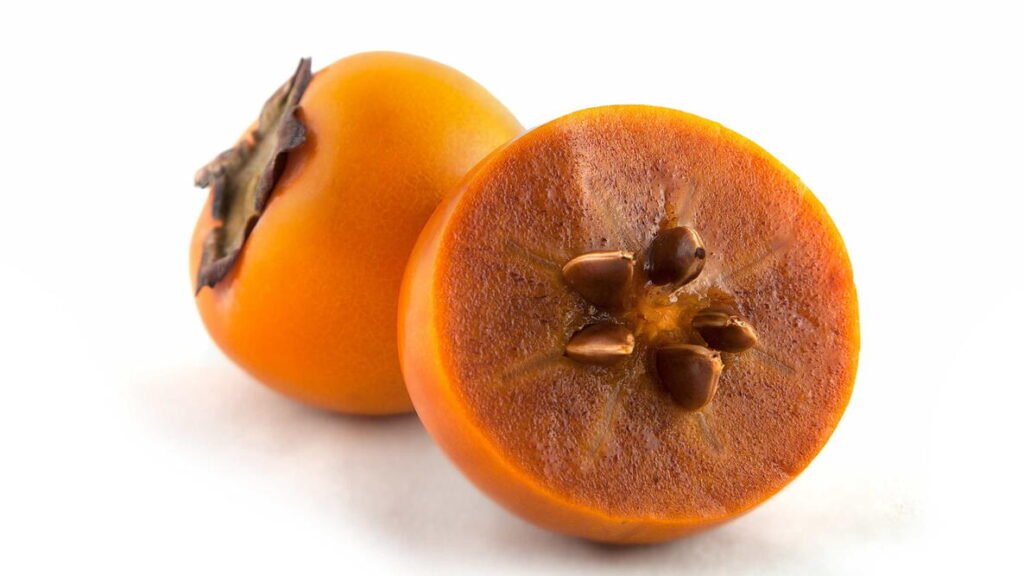
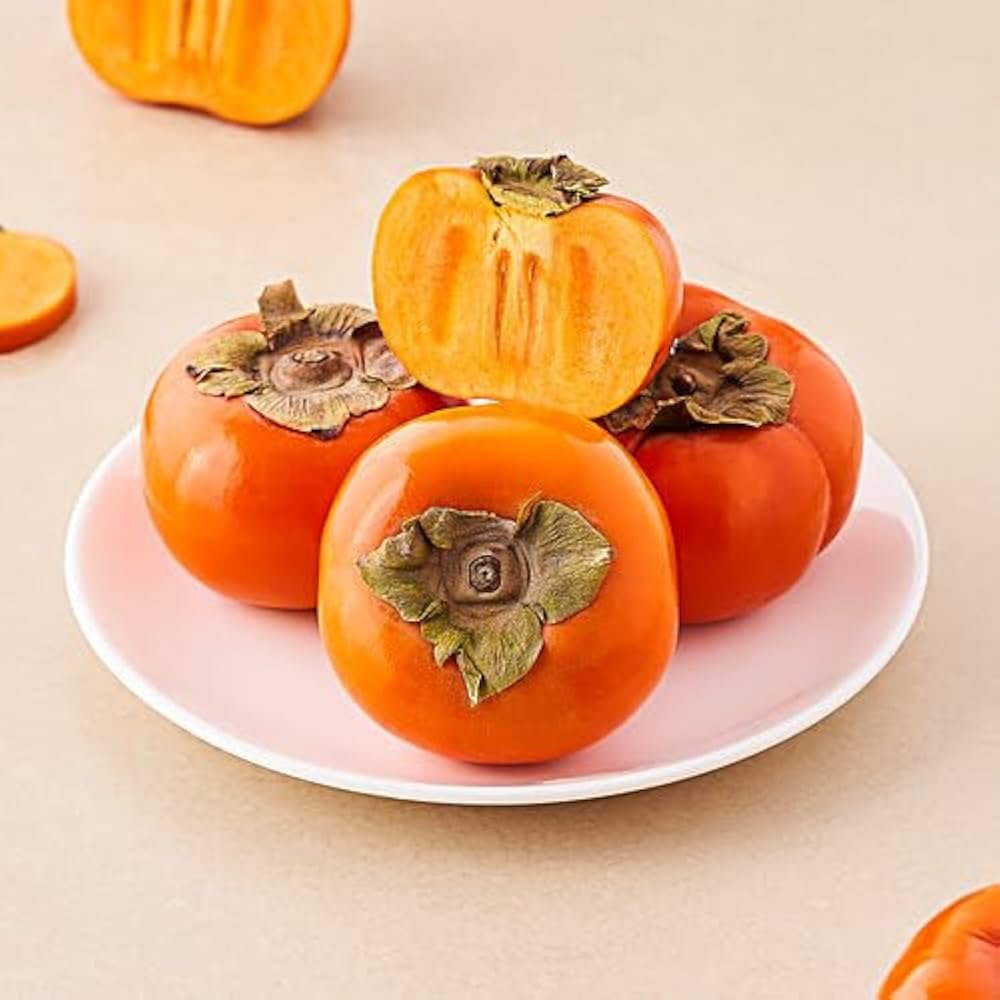
Not all store-bought persimmons contain viable seeds. Some varieties, especially non-astringent types like Fuyu, are often seedless. Astringent varieties like Hachiya are more likely to contain seeds.
Look for:
Large, fully ripe fruits
Astringent varieties for better seed presence
Fruit from local farmers’ markets (often more seeds)
Organic fruits when possible
Gently slice open the fruit and check if the seeds are mature, brown, and fully developed.
Step 2: Clean and Prepare the Seeds
Once you extract the seeds:
- Rinse them under running water.
- Rub off any pulp — leftover flesh can cause mold.
- Soak seeds in warm water for 24 hours to soften the shell.
- Discard any seeds that float (they are often not viable).
Now the seeds are ready for stratification.
Step 3: Stratify the Seeds for Best Germination
Persimmon seeds require cold stratification—a cold, moist period that mimics winter—to germinate properly.
How to Stratify:
- Mix a handful of peat moss, coconut coir, or damp sand.
- Place the seeds inside the mixture.
- Put the mixture in a zip-lock bag.
- Store it in the refrigerator (not the freezer).
Duration:
✔️ 60–90 days
Check once every two weeks to ensure the medium stays lightly moist (not wet). If mold appears, rinse the seeds, replace the medium, and continue.
Stratification breaks the seed dormancy and significantly increases germination success.
Step 4: Germinate the Seeds
After 2–3 months, remove the seeds from the fridge. Some seeds may already show tiny white sprouts — that’s a good sign!
Germination Method:
- Prepare small pots with well-draining, fertile soil (50% garden soil + 30% compost + 20% sand).
- Plant each seed about 2–3 cm deep.
- Water gently so the soil is evenly moist.
- Place in a warm, bright location (indirect sunlight).
Ideal Temperature:
22–28°C
Seedlings usually sprout between 4–6 weeks, though some may take longer.
Step 5: Caring for Young Persimmon Seedlings
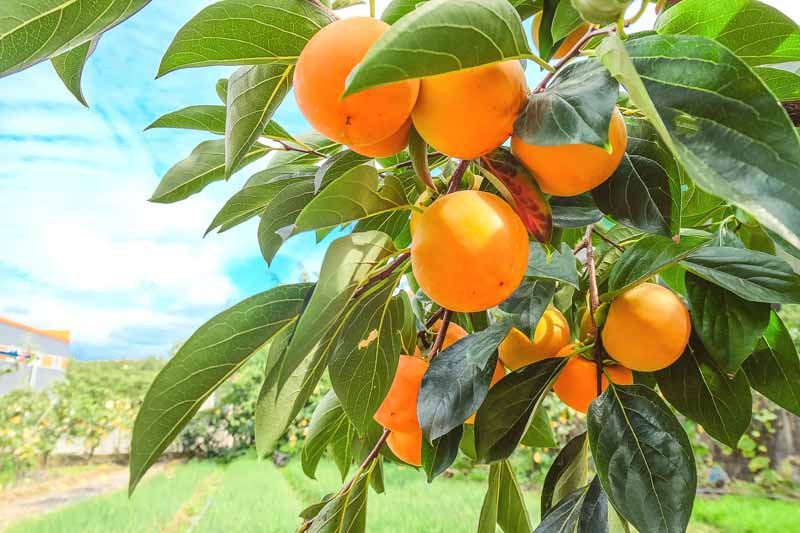
Once seedlings appear:
Light
- Provide bright, indirect sunlight.
- Avoid harsh midday sun for the first several weeks.
- Once stronger, gradually introduce them to outdoor conditions.
Water
- Keep soil consistently moist but not soggy.
- Overwatering can cause root rot.
Temperature
- Warm temperatures help young plants grow faster.
- Avoid cold drafts or sudden temperature drops.
Thinning
If multiple seeds sprout in one pot, gently separate them to avoid crowding.
Step 6: Transplanting to Larger Containers or Outdoors
When the seedlings are 20–30 cm tall and have at least 6–8 strong leaves, they’re ready for transplanting.
For Container Growing:
Choose:
- Large pots (30–50 liters)
- Containers with good drainage
- Rich, airy soil mix
Persimmons can grow well in containers for several years.
For Garden Growing:
Pick a location with:
- Full sun (6–8 hours daily)
- Well-drained soil
- Space for the tree to expand (6–8 meters)
Dig a hole twice the width of the root system and plant your seedling at the same depth as in the pot.
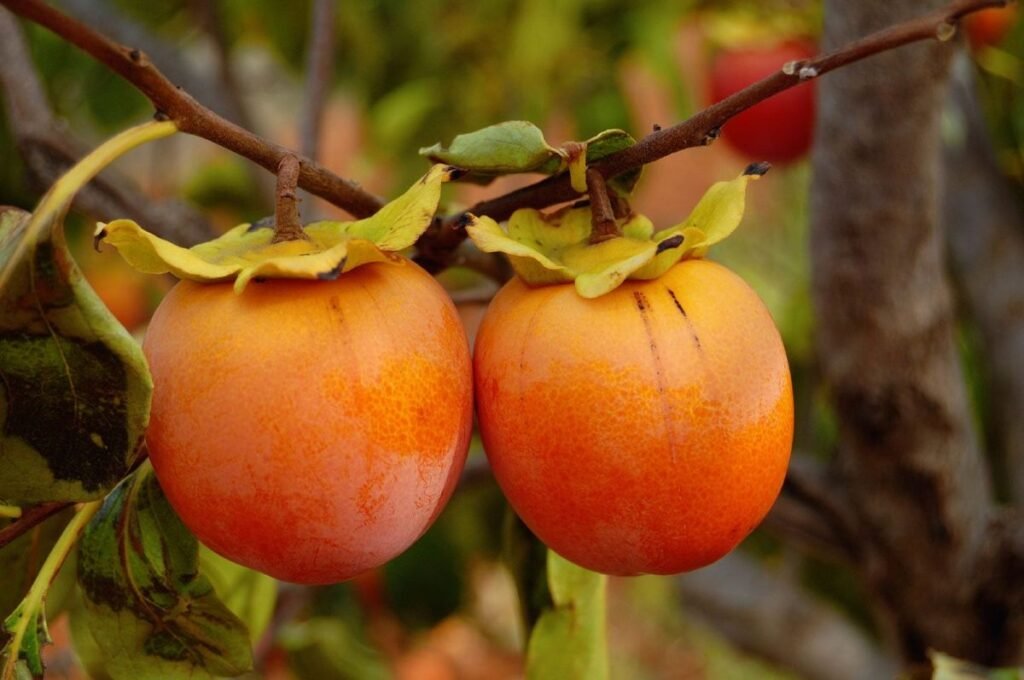
Step 7: Growing Your Persimmon Tree Over the Years
Fertilizing:
Feed your tree:
- Compost every 3–4 months
- Fish emulsion or seaweed extract during the growing season
- Avoid heavy nitrogen (causes leaf growth but no fruit)
Watering:
- Young trees: water weekly
- Mature trees: once every 2 weeks or during dry spells
- Avoid waterlogged soil
Pruning:
Prune once per year:
- Remove weak branches
- Maintain shape
- Allow sunlight into the canopy
Proper pruning increases fruit quality later.
Step 8: When Will the Tree Start Fruiting?
Growing persimmons from seed takes patience.
General Fruit Timeline:
- 3–6 years: Rare early fruiting
- 6–8 years: Most seed-grown trees begin producing
- 10+ years: Full production
Seed-grown trees may produce:
- Slightly different fruit from the parent variety
- Sometimes larger or smaller fruits
- Unique flavor profiles
This unpredictability is part of the charm of seed-grown persimmons.
Common Problems and Solutions
Seed Rot Before Sprouting
Cause: Too much moisture
Fix: Use barely damp soil or stratification medium.
Slow or No Germination
Cause: Insufficient cold stratification
Fix: Ensure full 60–90 days in the refrigerator.
Leaf Yellowing
Cause: Poor drainage
Fix: Add more sand or perlite.
Stunted Growth
Cause: Lack of sunlight or nutrients
Fix: Provide more sun and light fertilizing.
Tips for Higher Success
- Always choose ripe persimmons—unripe fruit may not have mature seeds.
- Stratify seeds for at least 8 weeks to boost germination.
- Don’t expose seedlings to strong sun too early.
- Use deep pots so the taproot can grow comfortably.
- Be patient—persimmons grow slowly at first.
Final Thoughts
Growing a persimmon tree from store-bought fruit may be a long journey, but it’s incredibly rewarding. In your hands, a small seed becomes a thriving tree that provides shade, beauty, and delicious autumn fruits for years to come. Whether you grow your persimmon in a pot or plant it in the ground, the process connects you to nature and gives a deep sense of accomplishment.
With time, care, and patience, your persimmon seedling will develop into a strong, fruitful tree—one that started right on your kitchen table.