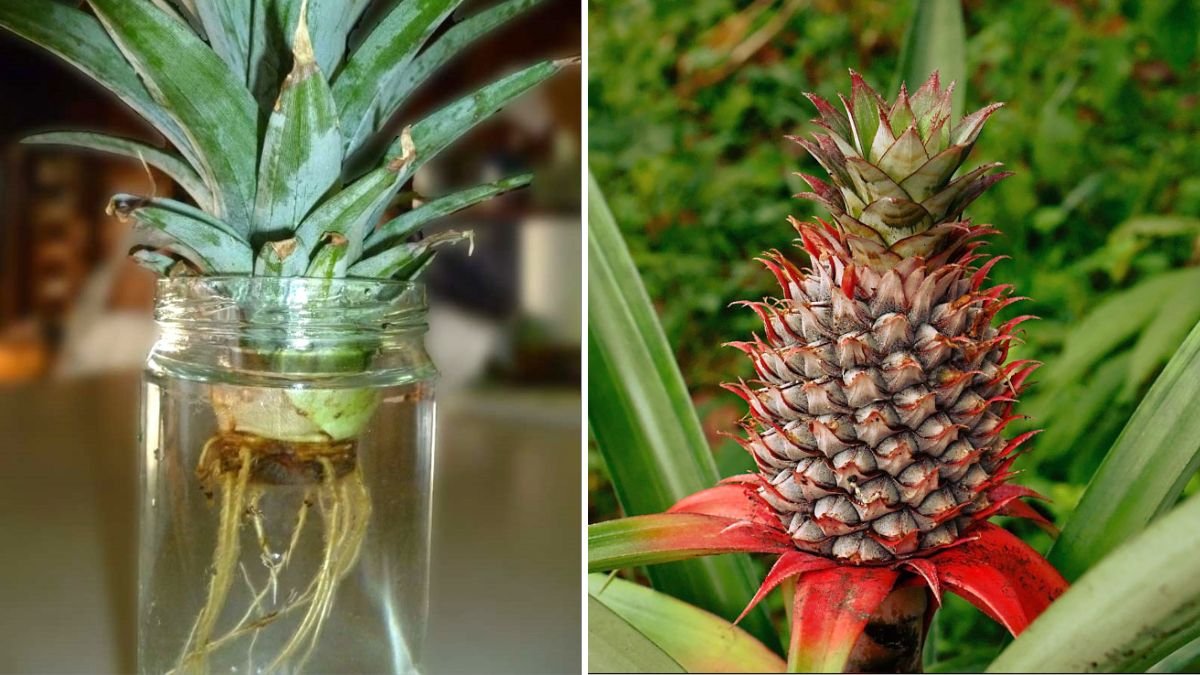
Growing a pineapple plant at home is incredibly rewarding. Those long sword-like leaves, the tropical vibe, and the excitement of watching something exotic thrive in your backyard or balcony—it’s an experience every gardener should try at least once. But one question almost everyone asks is:
“Will my pineapple plant ever bear fruit?”
If you’ve wondered the same thing, you’re not alone. Pineapple plants can be a little mysterious, and their slow growth often leaves beginners confused or even doubtful. In this complete guide, you’ll learn how to identify whether your plant is on its way to fruiting, what you can do to encourage blooming, and how to take care of it for successful pineapple production.
Understanding Your Pineapple Plant: The Basics
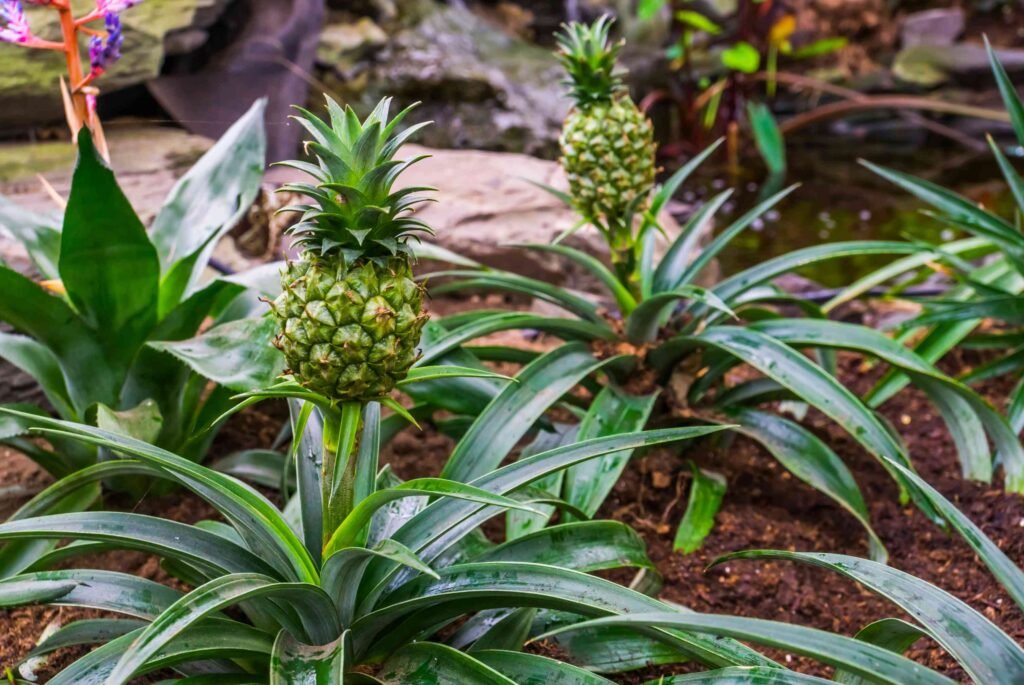
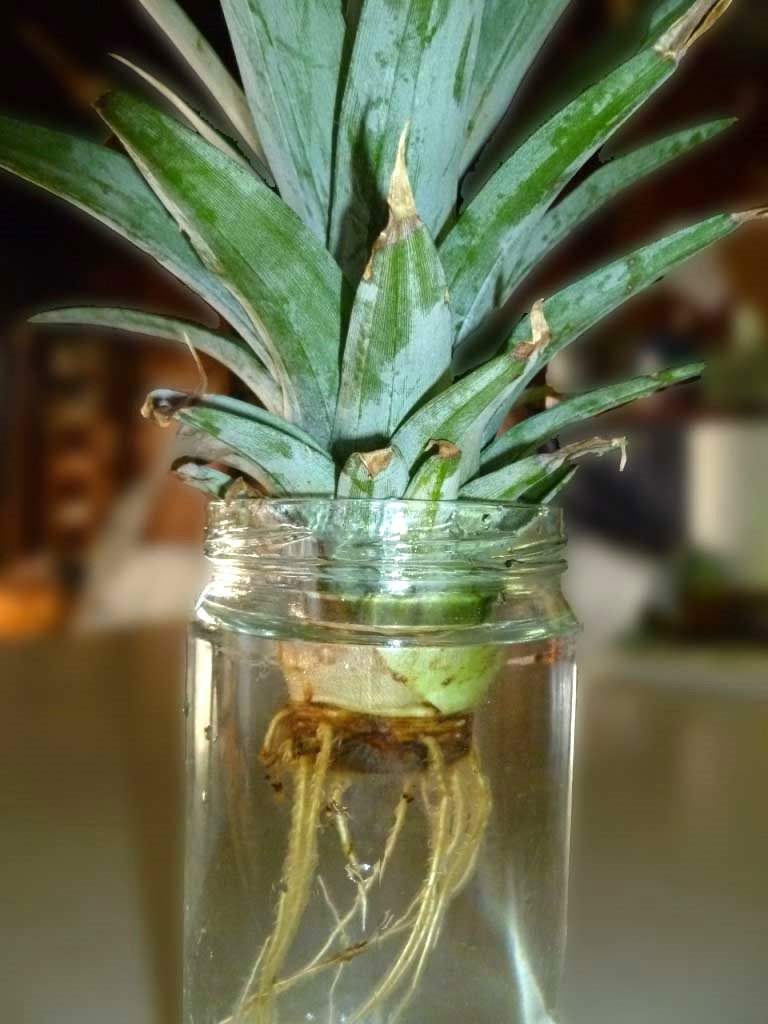
Pineapple plants grow from suckers, slips, crowns, or sprouts. Most people grow them from store-bought pineapples by planting the leafy top—called the crown. Regardless of how your plant started, the journey toward fruiting is slow but predictable.
A healthy pineapple plant grows in a rosette shape. Its leaves are strappy, tough, and pointed. As the plant matures, the leaf size increases, and it begins producing side shoots. These are signs that your plant is establishing itself for future fruiting.
But when will the fruit appear?
Generally:
- A pineapple plant takes 18 to 30 months to fruit, depending on climate, sunlight, and care.
- Plants grown in tropical or subtropical climates fruit faster.
- Indoor or container plants may take slightly longer.
So yes—pineapple plants do bear fruit, but patience is your best friend.
Key Signs Your Pineapple Plant Might Be Ready to Fruit
Not sure whether your pineapple plant is getting close to producing a pineapple? Watch for these indicators:
1. The Plant Has Reached Full Size
Mature pineapple plants are usually:
- About 2–4 feet wide, and
- 2–3 feet tall, depending on the variety.
If your plant is still small or young, it needs more time.
2. The Center Leaves Tighten
Before flowering, the central rosette becomes tighter and more upright. This is where the flower stalk will emerge.
3. Side Shoots (Pups) Appear
When pineapple plants start growing pups—suckers from the base or slips near the stem—it’s a strong sign of plant maturity. Even if the main plant hasn’t fruited yet, pups often develop into fruiting plants sooner.
4. The Plant Has Consistent Sunlight
A plant getting 6–8 hours of direct light daily is much more likely to produce fruit. Pineapples need strong light to trigger blooming.
If your plant meets these conditions, fruiting may be just around the corner.
What the Pineapple Flower Looks Like
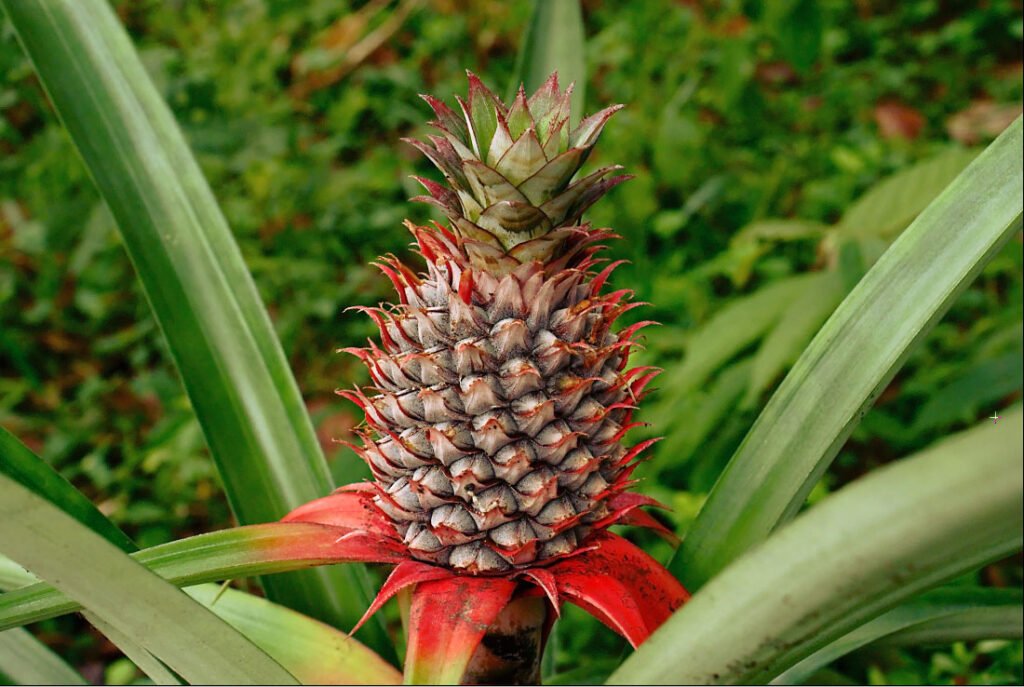
When your plant is ready, it sends up a central stalk called the inflorescence. The flower is small, purple or reddish, and made up of hundreds of tiny blossoms.
Each blossom becomes one segment of the pineapple fruit. This process is fascinating because the fruit is actually hundreds of berries fused into one!
Once flowering starts:
- Fruit begins forming within 2–3 months,
- The pineapple takes another 4–6 months to mature and ripen.
So from first bloom to ripe fruit, expect 6–8 months.
How to Encourage Your Pineapple Plant to Bear Fruit Faster
If your pineapple has been growing for over a year and shows no sign of fruiting, don’t worry—there are natural ways to encourage flowering.
1. Give It More Sunlight
Move the plant to the sunniest spot possible. Pineapples thrive in bright, warm locations.
If indoors, consider supplemental grow lights.
2. Use Balanced Fertilizer
A light feeding every 6–8 weeks with:
- Balanced N-P-K (such as 10-10-10), or
- Organic compost tea, or
- Diluted fish emulsion
Avoid nitrogen-heavy fertilizers—they cause excessive leaf growth and delay fruiting.
3. Reduce Watering (But Don’t Dry It Out Completely)
Pineapples do not like soggy soil. Let the top 1–2 inches dry out before watering again.
Slight stress (not dryness!) can sometimes stimulate flowering.
4. Ethylene Gas Method (Traditional Trick)
Many gardeners encourage flowering using natural ethylene.
Here’s how:
- Place an apple or overripe banana at the center of the plant.
- Cover with a plastic bag for 3–5 days.
Ethylene gas triggers the plant to bloom. After removing the bag, return to normal care.
This method is safe, natural, and often effective within 6–12 weeks.
Best Conditions for Pineapple Fruiting
To ensure your plant eventually bears pineapple fruit, maintain these ideal conditions:
Temperature: 20–32°C (68–90°F)
Anything below 15°C slows growth. Frost is deadly—always bring plants indoors during winter.
Light: Full Sun
At least 6 hours daily. More sunlight = faster fruiting.
Water: Moderate
Water deeply but infrequently. Pineapples store moisture in their thick leaves.
Soil: Well-Draining
Use sandy, loose, or cactus-like soil. Heavy clay soils suffocate the roots.
Pot Size
For container plants:
- Minimum 10–12 inches deep
- Wide pots encourage strong root systems
How to Know When Your Pineapple Fruit Is Ready to Harvest
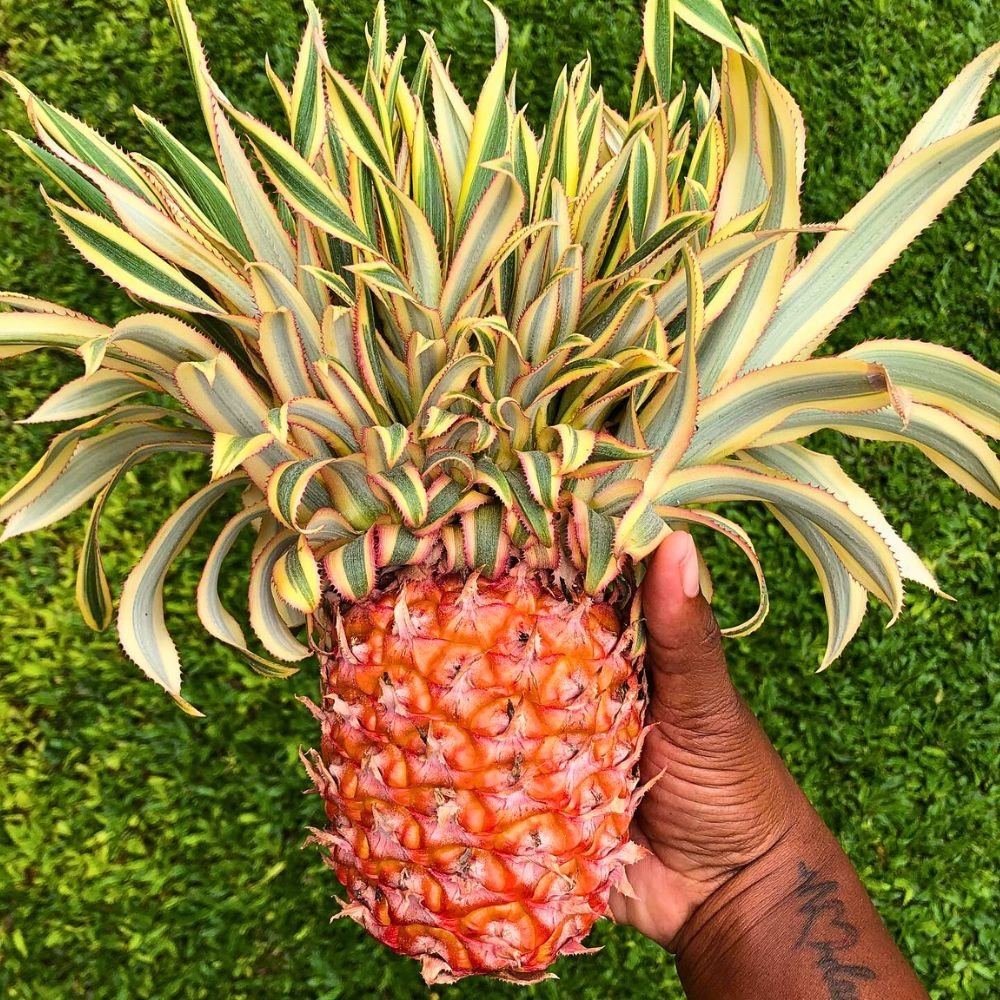
Once your pineapple plant finally produces fruit, harvesting at the right moment ensures perfect sweetness.
Here’s how to tell:
1. Color Change
Green fruit slowly turns golden-yellow starting from the bottom.
2. Sweet Aroma
A fragrant pineapple smell means it’s nearly ripe.
3. Slight Fruit Softness
The fruit becomes a bit softer when gently pressed.
4. Leaf Test
The leaves at the top (the fruit crown) pull out with gentle force only when the fruit is ready.
After harvesting, the plant will not produce a second main fruit—but it will grow suckers and slips that can generate new pineapples faster than the original crown.
Final Answer: Will Your Pineapple Plant Bear Fruit?
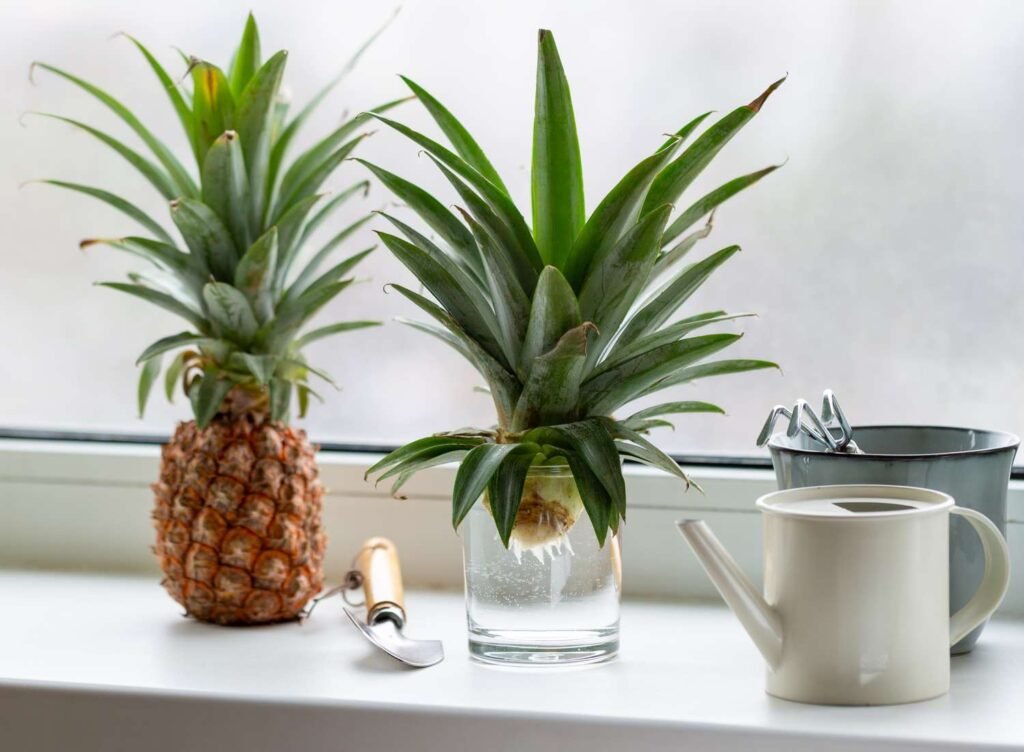
Yes!
If your pineapple plant is healthy, receives enough sunlight, and is allowed to mature, it will eventually bear fruit. Every pineapple plant fruits only once from the main rosette, but this fruiting is guaranteed under proper care.
Even if progress seems slow, the reward—a home-grown pineapple with unmatched sweetness and aroma—is absolutely worth the wait.
Conclusion: Keep Going—Your Pineapple Is On Its Way
Growing pineapple plants is a beautiful exercise in patience and joy. With the right care and conditions, every pineapple plant will offer you a precious tropical fruit. So if you’re wondering whether your plant will ever produce a pineapple, the answer is simple: