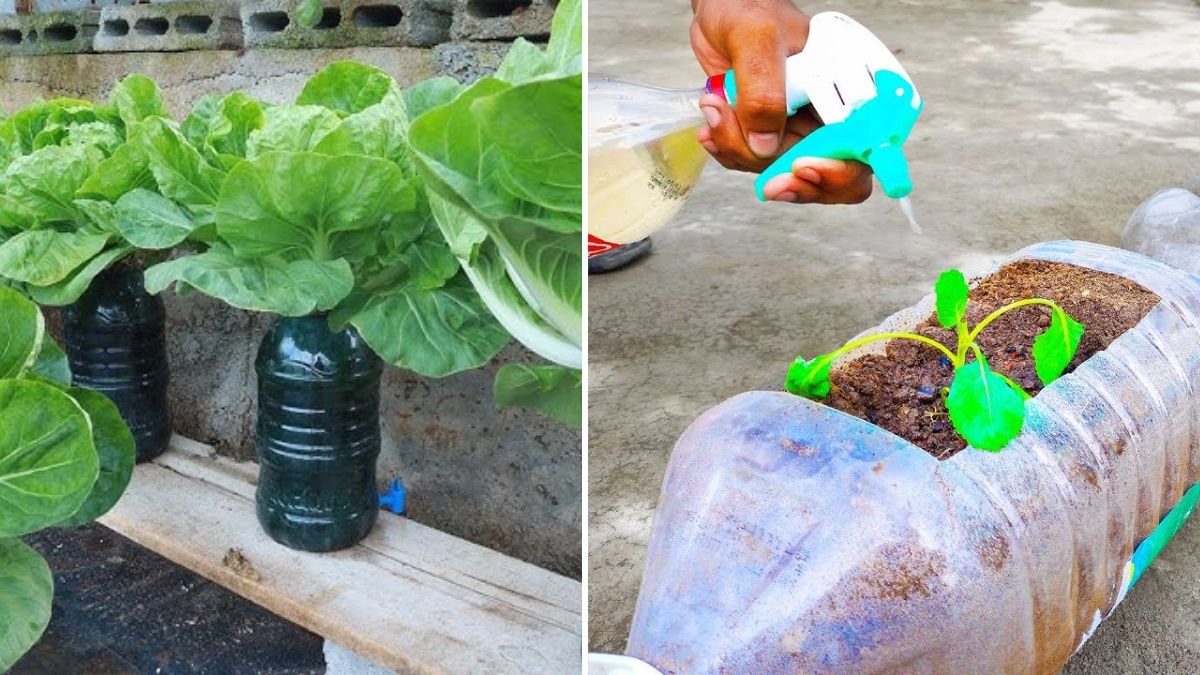
Red cabbage—vibrant, crunchy, and incredibly nutritious—is one of the most rewarding vegetables you can grow at home. Many gardeners believe cabbage needs a large garden bed, but the truth is you can successfully grow red coleslaw cabbage in containers and growbags, even on a balcony or rooftop. With the right technique, you can harvest large, firm, beautifully colored heads without needing much space.
This step-by-step guide will walk you through the entire journey: from selecting seeds to final harvest. Whether you’re a beginner or an experienced gardener, this guide will ensure a successful container-grown cabbage crop every time.
Why Grow Red Coleslaw Cabbage at Home?

Growing your own red cabbage offers many benefits:
Intense color & flavor
Homemade coleslaw tastes richer and fresher with homegrown cabbage.
Nutrient-packed vegetable
Red cabbage contains antioxidants, vitamin C, fiber, and anthocyanins.
Grows perfectly in containers
Compact, non-invasive, and excellent root structure for small gardens.
Long-lasting harvest
Once harvested, the heads store extremely well in the fridge for weeks.
Suitable for most climates
Cabbage loves cool to moderate weather and thrives in many regions.
Step 1: Choosing the Right Variety
Look for varieties specifically suited for containers or compact spaces. Recommended red cabbage varieties include:
- Red Acre
- Ruby Perfection
- Scarlet Red
- Red Express
These develop firm heads and don’t grow excessively large—ideal for growbags or pots.
Step 2: Starting Red Cabbage Seeds
When to Start Seeds
- In cooler regions: Start indoors 6–8 weeks before the last frost.
- In warm regions: Start seeds in late monsoon or early winter for best results.
Red cabbage prefers temperatures between 10°C–22°C.
How to Sow the Seeds

- Use seed trays, small pots, or recycled cups.
- Fill them with a well-draining seed-starting mix.
- Sow seeds ¼ inch deep.
- Mist lightly with water.
- Place in a bright, warm spot.
Seeds germinate in 5–8 days.
Caring for Seedlings
- Keep soil moist, not soggy.
- Give them indirect sunlight.
- Once seedlings have 2 true leaves, gently thin them out.
- After 3–4 weeks, they’ll be ready to transplant.
Step 3: Preparing Containers & Growbags
Red cabbage needs space for its roots to develop a solid head.
Ideal Container Size
- Minimum: 10–12 inches deep
- Best: 20–30L growbag or 12–15 inch pot
Each pot supports one cabbage plant for best head size.
Soil Mix for Healthy Growth
A loose, fertile, nutrient-rich mix is essential.
Perfect Soil Recipe
- 40% garden soil
- 30% compost or well-rotted manure
- 20% cocopeat
- 10% sand or perlite for drainage
Mix in:
- A handful of neem cake
- A small amount of bone meal or vermicompost
Cabbage needs nitrogen to grow lush leaves in the early stages.
Step 4: Transplanting Seedlings into Containers

Transplant seedlings when they are:
- 3–4 inches tall
- Have 3–4 true leaves
- Strong root formation
How to Transplant
- Fill the container with prepared soil.
- Make a hole large enough for the seedling.
- Gently transplant without damaging roots.
- Bury the stem slightly deeper for stronger support.
- Water thoroughly after planting.
Keep the plant in partial shade for 2–3 days to reduce transplant shock.
Step 5: Caring for Red Cabbage Plants
Sunlight
Cabbage thrives with:
- 6 hours of direct sunlight daily
- Morning sun is ideal
- Avoid extreme heat by providing shade nets if necessary
Watering
Consistent moisture is key.
- Keep soil evenly moist, never dry.
- Water deeply every 2–3 days.
- Avoid overhead watering that can cause fungal issues.
Mulching with dry leaves or straw helps retain moisture.
Fertilizing Schedule
Week 1–4: Leaf Development Stage
- High nitrogen fertilizer
- Vermicompost or compost tea every 10 days
Week 5–8: Head Formation
- Reduce nitrogen slightly
- Add potassium-rich feed like banana peel fertilizer
- Add bone meal for compact heads
Week 9+: Final Maturing Stage
- Apply a tablespoon of wood ash for firmness
- Avoid heavy fertilizing now
Step 6: Pest & Disease Management

Cabbage is prone to several pests, especially in containers.
Common Pests
- Cabbage worms
- Aphids
- Flea beetles
- Whiteflies
Natural Control Methods
- Spray neem oil every 10–12 days
- Dust talcum powder or ash to deter worms
- Handpick visible insects
- Use garlic-chili spray to repel pests
Diseases to Watch Out For
- Root rot (from overwatering)
- Black rot
- Powdery mildew
Improve airflow around plants and avoid overcrowding.
Step 7: Head Formation – The Most Crucial Stage
This is when your cabbage begins forming a compact, round core.
Tips to Encourage Tight Heads:
- Ensure full sun
- Maintain consistent watering
- Add potassium
- Keep soil slightly firm
- Avoid excessive nitrogen
The vibrant purple-red color deepens as the vegetable matures.
Step 8: Harvesting Your Red Cabbage

Most varieties mature in 70–90 days after transplanting.
Signs It’s Ready to Harvest:
- Head feels solid and firm when squeezed
- Leaves are tight and crisp
- Color is deep red or purple
- Head size: 10–18 cm, depending on variety
How to Harvest:
- Use a sharp knife.
- Cut the head off the base, leaving outer leaves behind.
- Optional: Leave the stem in place to sprout smaller side heads.
How to Use Your Homegrown Red Cabbage
Your cabbage is perfect for:
- Fresh coleslaw
- Stir-fries
- Pickled salads
- Soups
- Tacos
- Wrap fillings
- Healthy juices
Red cabbage retains its crunch even after cooking lightly.
Common Problems & Solutions
Head not forming
Too much nitrogen
Too little sun
Plant too crowded
Hot weather
Leaves turning yellow
Nitrogen deficiency
Water stress
Root issues
Small head size
Container too small
Inconsistent watering
Pests attacking leaves
Use neem, ash, or garlic spray regularly
Final Thoughts: A Rewarding Container Crop
Growing red coleslaw cabbage in containers or growbags is not only possible—it’s incredibly rewarding. With proper care, sunlight, and moisture, you can harvest beautifully colored, firm, delicious cabbage right from your balcony or terrace.