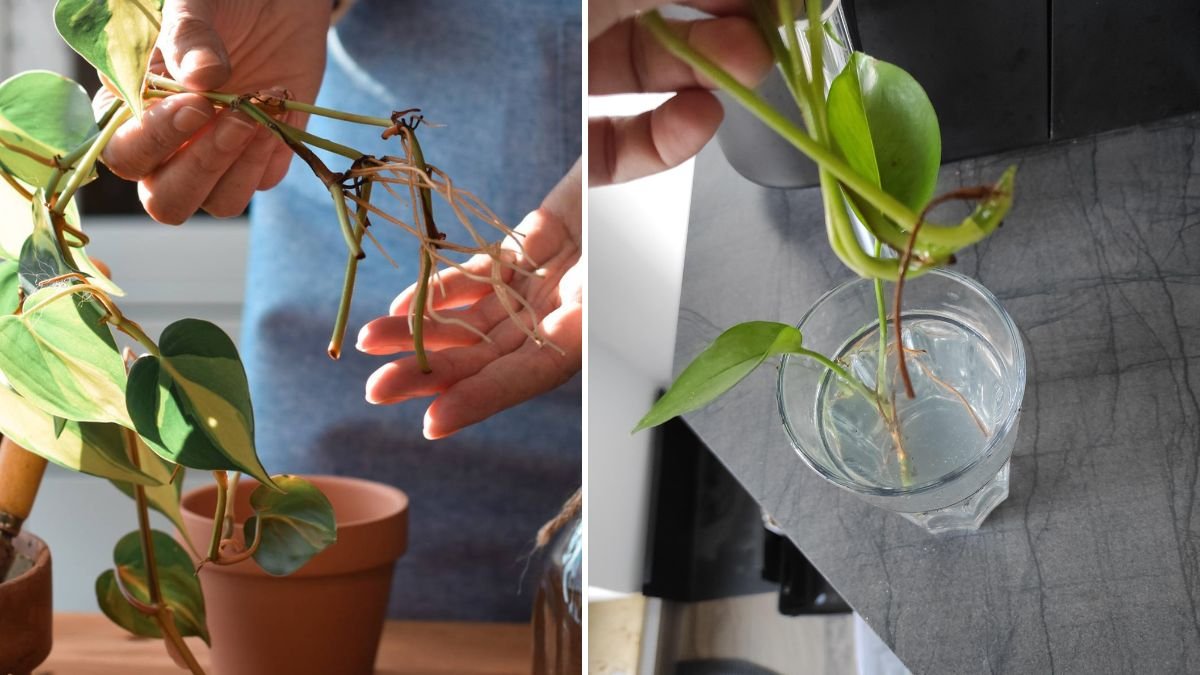
Propagating plants is one of the most rewarding gardening skills—you take a single branch and turn it into a brand-new plant. The best part? You don’t need to spend a single rupee. With the right technique, you can root almost any plant branch using simple materials already available at home. Whether you’re a beginner or an experienced gardener looking to expand your collection effortlessly, this zero-cost rooting method will completely change the way you grow plants.
In this guide, you’ll discover why this technique works so well, the exact step-by-step process, best plants to propagate, tips for higher success, and mistakes to avoid. Let’s dive in!
Why Root Plant Branches? The Benefits Are Incredible

Propagation by cuttings is one of the most powerful gardening methods. Here’s why:
Grow new plants for free
Never buy the same plant again—your garden becomes self-sustaining.
Keep your favorite varieties forever
If you love one particular plant’s flowers, aroma, or growth style, you can easily clone it.
Speed up plant production
Seed-grown plants take time. Cuttings establish much faster.
Perfect for small spaces
Rooting branches requires only a small container, even a recycled plastic bottle.
Eco-friendly
You recycle materials, reduce waste, and grow plants sustainably.
This method costs nothing and works amazingly well with many plant species.
The Secret Behind the Zero-Cost Rooting Technique

The technique uses three things you already have:
1. A healthy branch from a mature plant
Plants naturally regenerate, so taking a cutting does no harm.
2. Clean water or simple homemade mediums
You can root in:
- Water
- Sand
- Cocopeat alternatives
- Soil from your garden
- Even rice-water or aloe-water mixtures
3. A recycled plastic bottle or container
Free, available, and perfect for humidity control.
But the true secret lies in understanding what plants need to form roots: moisture, oxygen, protection from rot, and the right temperature. If these conditions are met—even without any commercial rooting hormone—most plants will root beautifully.
Best Plants for Zero-Cost Rooting
This method works for:
Easy Plants
- Pothos / money plant
- Coleus
- Mint
- Bougainvillea
- Lantana
- Rose
- Hibiscus
- Jade plant
- Snake plant leaf sections
- Sweet potato vine
- Basil, rosemary, thyme
Moderate Plants
- Ficus
- Jasmine
- Oleander
- Grape vines
- Mulberry
- Guava
- Fig
Hardwood plants may take longer but still root if the method is followed carefully.
Step-by-Step Guide: Zero-Cost Technique to Root Any Plant Branch

Let’s go through the full process in simple, actionable steps.
Step 1: Choose the Perfect Branch
Pick a branch that is:
- Semi-hardwood (neither too young nor too old)
- 6–8 inches long
- Free from pests, disease, or damage
- Has at least 3–4 nodes
Branches with soft green growth rot easily, while very woody stems take longer. Semi-hardwood is ideal.
Step 2: Make a Clean Cut
Use sharp scissors or a knife.
Cut at a 45° angle just below a node—this improves water absorption.
Remove:
- Leaves from the lower half
- Flowers or buds that drain energy
- Any damaged parts
Leave 2–3 leaves on top for photosynthesis.
Step 3: Prepare Your Free, Natural Rooting Medium
You can choose from several zero-cost rooting options:
Option 1: Root in Plain Water
This is perfect for:
- Pothos
- Coleus
- Mint
- Basil
- Many houseplants
Use a transparent bottle so you can see root growth.
Change the water every 4–5 days.
Option 2: Use Garden Soil
A simple mix works:
- 50% garden soil
- 50% sand or ash
Sand prevents rot and improves aeration.
Option 3: Use Rice Water or Starch Water
Leftover water from washing rice contains:
- Vitamins
- Minerals
- Natural sugars
These help root formation and prevent rot.
Option 4: Aloe Vera Gel (If Available)
If you already grow aloe, it costs nothing.
Aloe contains:
- Saponins
- Enzymes
- Moisture-holding gel
Dip the branch in the gel for faster rooting.
Step 4: Create a Mini Humidity Chamber (For Free!)

Use:
- A used plastic bottle
- A plastic bag
- An old food container
Cut the bottle in half, plant the branch inside, then cover it to trap moisture.
Humidity helps cuttings stay alive while they develop roots.
Step 5: Place in the Right Environment
Put cuttings in:
- Bright indirect sunlight
- Warm area
- No direct sun, wind, or heavy rain
Plants root faster at 22–28°C.
Step 6: Wait Patiently
Depending on the plant:
- Herbs root in 7–10 days
- Soft-stem plants root in 2–3 weeks
- Woody plants may take 4–8 weeks
Don’t disturb the cutting too often.
A gentle tug test after 2–3 weeks helps check progress.
Aftercare: Transplanting Your New Plant
Once roots are:
- 2–3 inches long in water
or - New leaves appear in soil
Then it’s ready to be transplanted.
Steps:
- Prepare a pot with fresh garden soil.
- Remove the cutting carefully.
- Plant at the same depth as the rooting container.
- Water lightly.
- Keep in shade for 3–5 days before moving to sunlight.
Your rooted branch will now grow like a normal plant!
Top Tips to Increase Success Rate

1. Scrape the lower stem lightly
It exposes the cambium layer, encouraging roots.
2. Keep the medium moist but not wet
Wet soil causes rot.
3. Use bottom watering
Place the pot in a shallow tray—water is absorbed slowly and safely.
4. Remove most leaves
Reduces water loss.
5. Keep multiple cuttings together
Shared humidity improves rooting.
6. Use morning sunlight
Soft light boosts plant metabolism.
Common Mistakes to Avoid
Overwatering
Too much moisture = fungal rot.
Using very soft green stems
They collapse easily.
Direct sun exposure
Cuttings dry out before roots form.
Dirty tools
They introduce infection.
Moving the cutting frequently
It breaks tiny new roots.
Avoiding these mistakes raises your success rate dramatically.
Why This Zero-Cost Technique Works So Well
Plants have natural hormones that trigger root formation. When you:
- Reduce the leaf load
- Keep moisture stable
- Protect from rot
- Provide warmth
- Give oxygen to the stem
…the cutting automatically produces roots.
You’re simply providing the right environment—no chemicals or store-bought powders needed.
This is nature’s own propagation method!
Final Thoughts: Grow More, Spend Nothing
Rooting plant branches doesn’t need to be complicated or expensive. With this simple, zero-cost technique, you can:
- Expand your garden
- Share plants with friends
- Preserve your favorite varieties
- Grow herbs, flowers, fruits, and ornamental plants quickly
- Save money while learning new gardening skills
If you’re building a lush, beautiful home garden on a budget, this method is your greatest tool.