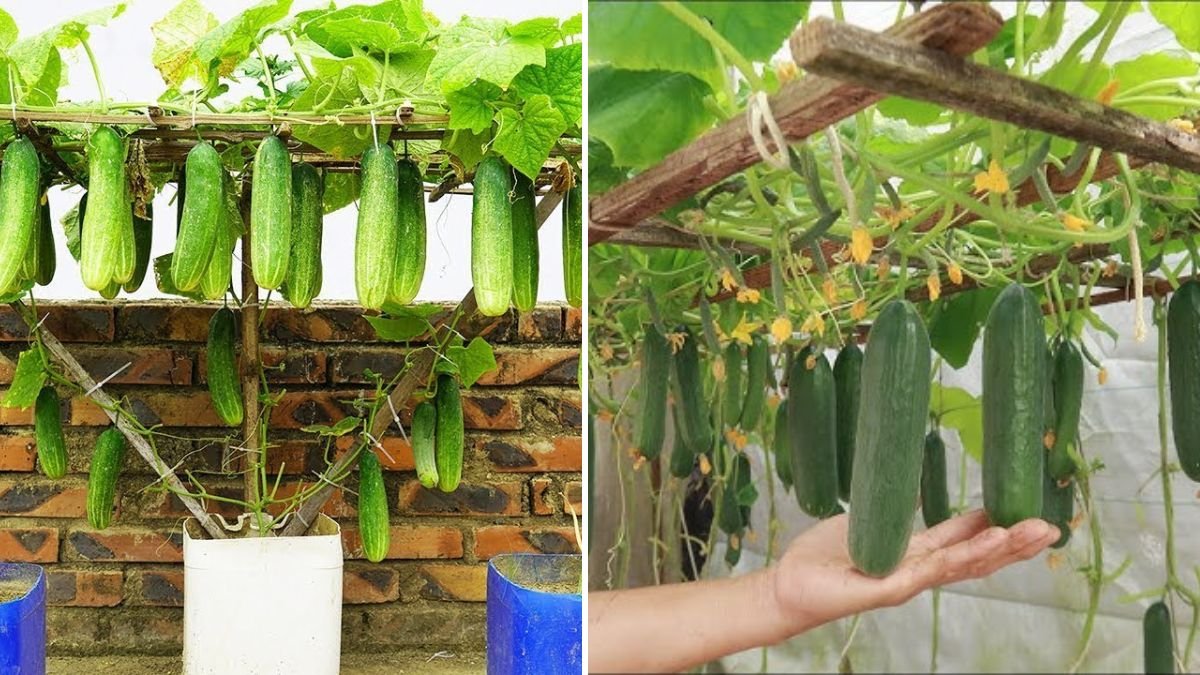
Growing your own cucumbers doesn’t require a large garden or sprawling backyard. With the right techniques, even a small balcony can transform into a thriving, high-yield cucumber garden bursting with fresh, crisp fruits all season long. Whether you’re a beginner gardener or an apartment dweller dreaming of homegrown harvests, this guide will show you exactly how to achieve impressive yields in limited space.
Let’s dive into the step-by-step methods, smart tricks, and container-growing secrets that will turn your balcony into a cucumber paradise.
Why Cucumbers Are Perfect for Balcony Growing

Cucumbers are one of the easiest and most rewarding vegetables to grow in containers. Their fast-growing vines, abundant flowers, and continuous fruit production make them an ideal choice for small spaces. With vertical training, they don’t need much floor space—just sunlight, proper care, and a support system.
Plus, balcony-grown cucumbers often taste sweeter and fresher than store-bought ones. You control the soil quality, the fertilizers used, and the watering schedule—giving your plants everything they need to thrive.
1. Choosing the Right Cucumber Variety

Not all cucumbers are equal when it comes to container gardening. For heavy yields in tight spaces, choose:
Recommended Varieties
- Bush Champion – Compact, high-yielding, perfect for pots.
- Patio Snacker – Specifically bred for containers.
- Miniature Cucumbers – Fast-growing and prolific.
- Persian Cucumbers – Crisp, tender, and perfect for vertical growth.
These types stay manageable while producing abundant fruits in limited space.
2. Choosing the Best Container for High Productivity
Cucumbers prefer room for root growth, hydration, and nutrient absorption.
Ideal Container Size
- Minimum depth: 12–14 inches
- Volume: 15–20 liters (5 gallons)
- Material: Plastic pots, grow bags, recycled buckets, or large plastic bottles (cut and modified)
Make sure the container has good drainage holes, as cucumbers hate soggy roots.
A saucer or tray under the pot prevents water from dripping onto lower floors—perfect for balcony growers.
3. The Perfect Soil Mix for Continuous Harvesting

Cucumbers love loose, nutrient-packed soil that drains well yet stays moist.
Best Soil Recipe
- 40% coco peat (retains moisture without waterlogging)
- 30% compost (adds nutrients and microorganisms)
- 20% garden soil (provides structure)
- 10% perlite or sand (improves drainage and aeration)
Mix in a handful of:
- Organic fertilizer (like cow manure or chicken manure)
- Crushed eggshells (slow-release calcium)
A healthy soil foundation ensures vigorous vines, stronger roots, and higher yields.
4. Planting Seeds the Right Way
Cucumbers germinate quickly and thrive when started directly in the container.
How to Plant
- Make small holes about 1 inch deep.
- Plant 2–3 seeds per pot.
- Cover lightly with soil and water gently.
- Once seedlings reach 8–10 cm in height, keep the strongest one and remove the others.
Your cucumber plant will be ready to climb within a few weeks!
5. Sunlight: The Secret to Heavy Yields

Cucumbers are sun-loving plants.
Sunlight Requirement
- 6–8 hours of direct sunlight daily
- South or southwest-facing balconies are best
- If sunlight is limited, use reflective surfaces like:
- Aluminum foil
- White-painted walls
- Mirrors
Reflecting light boosts plant growth and flowering significantly.
6. Train Cucumbers Vertically for Maximum Production
Vertical growing is the real game-changer for balcony gardening.
Support Options
- Bamboo trellis
- Nylon net
- Wood frame
- Rope vertical strings
- Recycled plastic bottle trellis
Why Vertical Growing Works
- Saves space
- Prevents disease
- Improves airflow
- Increases sun exposure
- Helps fruits grow straighter and larger
A strong trellis ensures the vine climbs easily and produces more cucumbers.
7. Watering: Keep Soil Moist but Not Soggy

Cucumbers are water-hungry plants, especially during fruiting.
Watering Tips
- Water every morning in hot seasons
- Keep soil consistently moist
- Reduce watering slightly on cloudy days
- Add mulch (dry leaves, hay, coco peat) to retain moisture
Avoid wetting the leaves—water directly at the base to prevent fungal issues.
8. Feeding Your Balcony Cucumbers for Explosive Growth
Cucumbers produce heavy yields only when well-fed.
Best Organic Fertilizers
- Banana peel tea – boosts flowering
- Eggshell calcium tea – prevents blossom-end rot
- Compost tea – provides rich micronutrients
- Fish emulsion – encourages strong vine growth
- Vermicompost – slow-release nutrition
Feeding Schedule
- Every 7–10 days: Liquid fertilizer
- Every 20–30 days: Add a thin layer of compost
- At flowering stage: Increase potassium (banana peel fertilizer)
This routine ensures continuous and abundant cucumber production.
9. Pollination Tips for Balcony Plants
Balcony gardens sometimes lack natural pollinators.
Encourage Pollination
- Plant flowers nearby (marigolds, basil, zinnia)
- Gently hand-pollinate using a cotton swab:
- Transfer pollen from male flower to female flower
- Shake the vine lightly in morning hours
More pollination = more cucumbers.
10. Harvesting for Continuous Production
Cucumbers grow fast—sometimes doubling in size overnight.
Harvest Tips
- Pick when fruits are firm and dark green
- Don’t let them over-ripen (it reduces plant productivity)
- Harvesting regularly encourages more flowers and fruits
Expect 2–4 cucumbers every few days from a healthy balcony plant!
Final Thoughts: Your Balcony Can Feed You All Summer
Transforming your balcony into a cucumber garden is not only possible—it’s incredibly rewarding. With the right container, soil, sunlight, and care, you can enjoy fresh, crunchy cucumbers grown right at home, no matter how small your space is.
The joy of plucking your own homegrown cucumbers—grown organically, nurtured with love, and harvested fresh—is unmatched.
So grab a pot, a packet of seeds, and start your balcony cucumber garden today.
You might be surprised by how much food such a small space can produce!