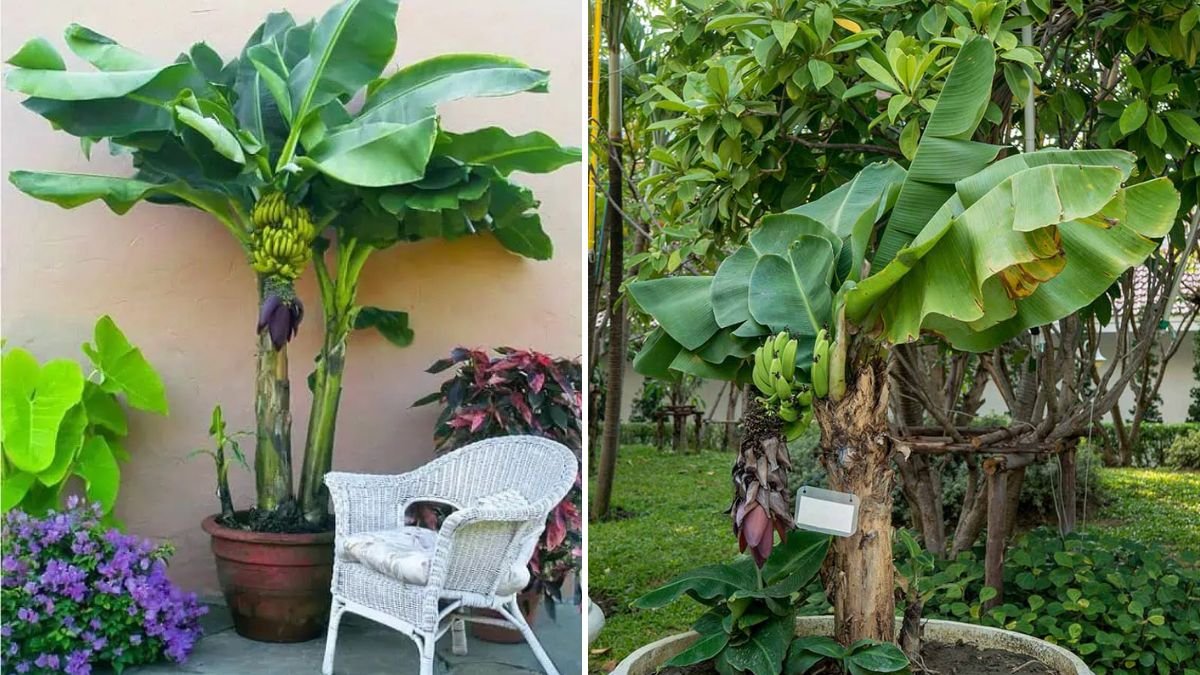
Most people throw away banana peels without a second thought—but did you know that you can actually grow a banana plant from the fruit itself? While bananas don’t typically contain viable seeds like other fruits, certain wild or seeded varieties do. Even seedless store bananas can be used indirectly to grow strong banana trees through innovative planting techniques using banana flesh, banana peels, and the natural hormones inside the fruit.
If you’ve ever dreamed of turning a simple banana from your kitchen into a thriving banana plant that produces large, sweet bunches, this detailed guide will walk you through the entire process—from preparation to planting to harvesting. With the right method, a little care, and plenty of sunlight, you can enjoy fresh banana harvests right in your backyard or garden.
Below is a full, comprehensive 1200-word article based on the title:
“How to Grow Banana Trees from Banana Fruit | Growing Banana Plant from Banana Fruit – Lot of Fruits”
🍌 Grow Banana Trees From Banana Fruit: The Surprising Method That Truly Works

Bananas are one of the world’s most widely consumed fruits, yet few people know how banana plants are grown. Even fewer believe it’s possible to grow a banana plant from actual banana fruit. While most commercial bananas are seedless, the fruit itself can still be used as a powerful natural growth booster to sprout and support new banana plants.
Whether you’re using banana seeds (from seeded varieties) or using banana fruit as a rooting stimulant and nutrient starter, this guide will show you how to grow a strong and productive banana plant at home.
🌱 Understanding Banana Reproduction: Seeded vs. Seedless Bananas

Before starting, it’s important to know the difference:
✔ Seeded Bananas (Wild Bananas)
These contain large, hard seeds inside.
They can be germinated, but require:
- Heat
- Moisture
- Time
- Scarification (loosening the seed coat)
✔ Seedless Bananas (Store Bananas)
These have no viable seeds, but you can still use:
- Banana flesh
- Banana peel
- Banana enzymes
…to stimulate root growth and nourish the soil when planting banana suckers or sprouts.
This article explains both methods, so you can grow banana plants regardless of the type of fruit you have.
🍌 Method 1: Growing Banana Trees from Banana Seeds (Seeded Bananas)
If you’re lucky enough to have seeded bananas, here’s how to sprout them.
🌡️ Step 1: Extract and Prepare the Seeds
- Split open a ripe banana.
- Locate the large, dark seeds inside.
- Rinse seeds to remove sticky fruit residue.
- Lightly scarify the seed using a file or sandpaper—this helps water penetrate.
💧 Step 2: Soak the Seeds
Soak the banana seeds in warm water for:
- 24–48 hours
Top up with warm water every few hours to keep temperature stable.
🌱 Step 3: Prepare the Seedling Mix
Use a light, airy soil mix:
- 40% coco peat
- 40% perlite/sand
- 20% compost
Banana seeds germinate better in loose soil.
🌿 Step 4: Planting the Seeds
- Plant the seeds 1 inch deep
- Keep the soil moist but not soggy
- Use a humidity dome or plastic cover
🌞 Step 5: Ideal Germination Conditions
- Temperature: 25–35°C
- Light: Indirect sunlight
- Humidity: Medium to high
Wild banana seeds can take 3–6 weeks to germinate, sometimes longer. Be patient!
🍌 Method 2: Growing Banana Plants Using Banana Fruit (For Seedless Store Bananas)

Even though store bananas lack seeds, you can still grow banana plants using banana fruit as a planting catalyst. This method is extremely effective for boosting root formation when planting banana suckers (pups), corm pieces, or banana sprouts.
🥣 Why Banana Fruit Works
Bananas contain:
- Natural sugars
- Starch
- Potassium
- Magnesium
- Ethylene
- Enzymes
- Growth boosters
These ingredients stimulate biological activity in the soil, increase microbial life, and help banana pups root faster and stronger.
🍌 Step-by-Step: Grow Banana Plants Using Banana Fruit
🍌 Step 1: Select a Healthy Banana Pup
Choose:
- Sword suckers (thin, upright leaves)
- 30–50 cm tall
- Disease-free
Sword suckers grow faster and produce fruit earlier.
🍌 Step 2: Prepare the Banana Fruit Rooting Hole

- Dig a hole about 30–40 cm deep.
- Place 1–2 ripe bananas (with peel) at the bottom.
- Mash them lightly to release nutrients.
- Add a handful of compost or aged manure.
- Mix with soil lightly.
This mixture becomes a natural fertilizer bed.
🍌 Step 3: Planting the Banana Pup or Corm
- Place the banana corm or sucker above the mashed banana layer.
- Ensure the roots touch the nutrient zone.
- Cover with soil.
- Water deeply until the ground is moist.
The decomposing banana acts as:
- A slow-release fertilizer
- A natural root stimulant
- A moisture-retaining sponge
🍀 Step 4: Watering and Early Care

Bananas love moisture.
But avoid waterlogging.
✔ Water:
- 2–3 times per week in dry conditions
- Reduce watering during rainy seasons
✔ Mulch:
Use leaves, straw, or grass clippings to keep soil cool.
🌤️ Step 5: Provide Full Sunlight
Bananas need:
- 6–8+ hours of sunlight daily
- Warm temperatures
- Shelter from strong winds
Plant them in a bright, open area.
🍌 Step 6: Feeding the Banana Plant Naturally
Banana plants are heavy feeders.
Here are organic inputs you can use:
✔ Banana Peel Fertilizer
Rich in potassium—critical for fruit formation.
✔ Compost Tea
Boosts soil microbes.
✔ Animal Manure
Apply sparingly every 30–45 days.
✔ Fermented Fruit Juice (FFJ)
Speeds up plant growth.
✔ Wood Ash
Provides potassium and prevents rot when used lightly.
🌿 Step 7: Encourage More Fruit Production
To produce lots of bananas, focus on:
✔ Selecting the Right Sucker
Allow only 1–2 pups to grow near the main plant.
✔ Removing Excess Shoots
Too many pups = fewer bananas.
✔ Watering Regularly
Consistent moisture builds large fruits.
✔ Fertilizing Monthly
Bananas respond quickly to nutrients.
✔ Cutting the Flower Heart
Once fruits reach half-size, remove the banana flower tip to direct energy to fruit enlargement.
🍌 When Will Your Banana Plant Fruit?
A banana plant grown using this method typically produces fruit in:
👉 9–14 months, depending on:
- Climate
- Soil fertility
- Sunlight
- Care routines
Once the banana bunch ripens, the plant will die—but not before producing new suckers that will continue the cycle.
🍌 Signs Your Banana Plant Is Healthy
- Bright green leaves
- Strong central stem
- Fast leaf production (1 leaf every 7–10 days in warm climates)
- New pups forming
🍌 Harvesting Your Bananas
You can harvest bananas when:
- The edges become rounder
- The fruit turns lighter green
- The blossom end softens
- The bunch feels full and plump
Cut the whole bunch at once, hang it, and let it ripen naturally.
🌟 Final Thoughts: Transforming a Simple Banana Into a Fruitful Tree
Growing a banana plant from banana fruit—whether by germinating seeds or using banana flesh to nourish and boost young suckers—is both rewarding and surprisingly effective. With the right care, sunlight, and nutrient-rich soil, your banana plant can grow fast and produce large, delicious bunches within a year.
This method not only reduces waste but also allows you to enjoy an endless supply of bananas right from your own backyard or garden.
So the next time you enjoy a banana, remember:
You might be holding the starting point of your next tropical harvest. 🍌🌿🌞