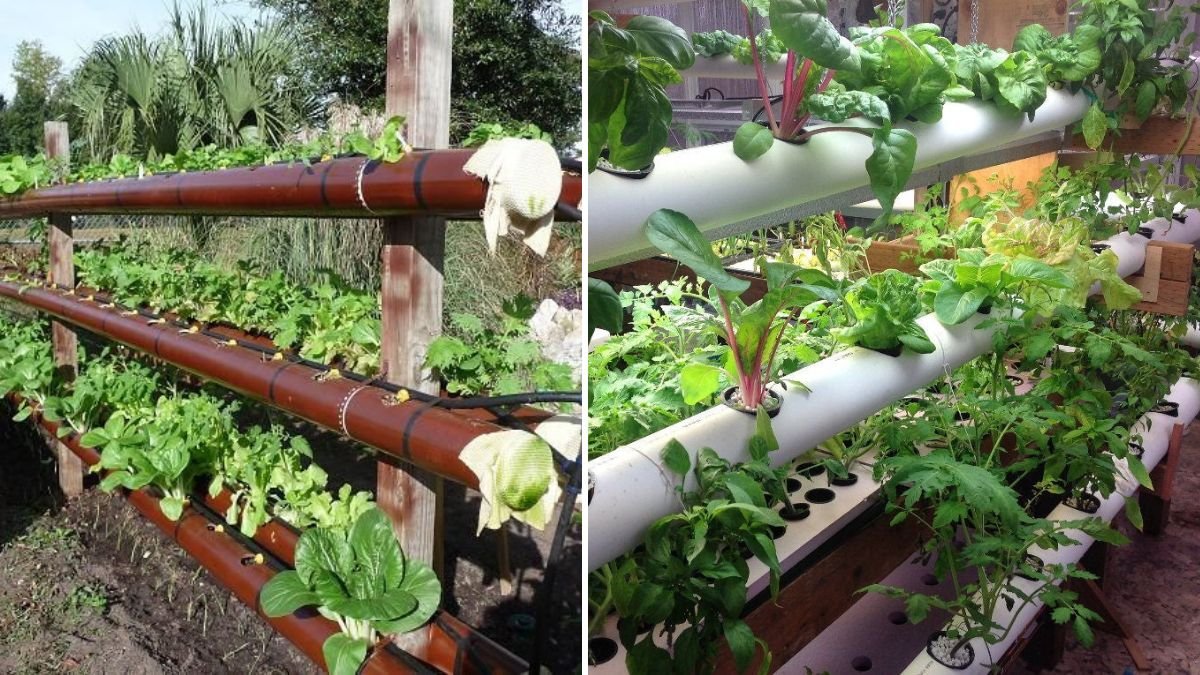
Urban gardening is transforming the way city dwellers grow fresh vegetables. With limited space in apartments, balconies, and small backyards, traditional gardening methods often seem impractical. But innovation brings solutions: vertical gardening using PVC pipes is one of the most efficient and cost-effective ways to grow leafy greens and root vegetables like kangkong (water spinach) and radish.
In this comprehensive guide, we’ll cover step-by-step instructions, benefits, and care tips for growing radish and kangkong in vertical PVC pipes. By the end, you’ll be ready to set up your own space-saving, productive, and sustainable urban garden.
Why Vertical Gardening in PVC Pipes?

Vertical gardening in PVC pipes has gained popularity due to several advantages:
1. Space Efficiency
- Grow multiple layers of vegetables in a small footprint.
- Ideal for apartments, rooftops, and narrow balconies.
2. Cost-Effective
- PVC pipes are inexpensive, widely available, and durable.
- Reduces the need for large plots of soil.
3. Ease of Maintenance
- Vertical setups make watering, harvesting, and monitoring growth easier.
- Fewer pests compared to traditional ground planting.
4. Sustainable and Recyclable
- PVC pipes are long-lasting and can be reused.
- Minimizes soil usage and promotes urban greening.
Step 1: Materials You’ll Need
To start your vertical garden, gather the following materials:
- PVC pipe (diameter 4–6 inches, length 3–6 feet)
- End caps for the PVC pipe
- Drill with hole saw or spade bit
- Potting mix or a mix of garden soil, compost, and coco peat
- Radish and kangkong seeds or seedlings
- Watering can or drip irrigation system
- String or rope for hanging (optional)
💡 Tip: Transparent or light-colored pipes reflect sunlight slightly and prevent overheating, but dark PVC can also work indoors.
Step 2: Preparing the PVC Pipe

1. Drill Planting Holes
- Mark holes on the PVC pipe: 4–6 inches apart vertically, and staggered in rows to avoid overlapping roots.
- Use a drill with a hole saw to create holes large enough to insert seedlings or sow seeds.
2. Add Drainage
- Drill small holes at the bottom of the pipe to prevent waterlogging.
- Fit end caps at both ends, ensuring the bottom cap has holes for excess water to drain.
💡 Tip: Staggering the holes helps maximize sunlight exposure for all plants.
Step 3: Filling the PVC Pipe with Soil
- Prepare a nutrient-rich growing medium:
- 1 part garden soil
- 1 part compost
- 1 part coco peat or perlite for aeration
- Fill the pipe carefully, leaving enough space for seeds or seedlings to be inserted.
- Lightly water the soil to settle it before planting.
💡 Tip: Avoid compacting the soil too much; roots need space to grow.
Step 4: Planting Radish and Kangkong

Radish Planting
- Sow 2–3 radish seeds per hole at 1–2 cm depth.
- Thin seedlings to 1 per hole after germination to prevent overcrowding.
- Radish grows quickly and can be harvested in 25–30 days.
Kangkong Planting
- Insert kangkong cuttings or seedlings in each hole.
- Ensure the stem is covered with soil while leaves remain exposed.
- Kangkong thrives in warm, humid conditions and can be harvested multiple times by cut-and-come-again.
💡 Tip: Alternate radish and kangkong for mixed harvest and to optimize growth cycles.
Step 5: Watering and Nutrient Management
Vertical gardens in PVC pipes require careful watering:
- Use a watering can or drip irrigation to provide even moisture.
- Water 2–3 times per week, depending on weather and indoor conditions.
- Fertilize weekly with organic liquid fertilizer or compost tea to support rapid growth.
💡 Tip: Monitor the bottom drainage holes to ensure water is reaching all layers.
Step 6: Providing Light
- Place the vertical pipe in a location with at least 4–6 hours of sunlight per day.
- If indoors, consider LED grow lights for 6–8 hours daily.
- Rotate the pipe periodically to ensure all plants get equal light exposure.
💡 Tip: Kangkong thrives with bright indirect light, while radish needs direct sunlight for root development.
Step 7: Supporting Plant Growth

- Kangkong stems may grow long and require support. Use string or small stakes to guide growth.
- Radish does not need support but benefits from aerated soil for healthy root development.
💡 Tip: Vertical spacing should allow leaves to grow without shading lower plants.
Step 8: Pest and Disease Management
Even in vertical gardens, some pests and diseases can appear:
Common Pests
- Aphids
- Whiteflies
- Snails
Organic Solutions
- Neem oil spray
- Insecticidal soap
- Manual removal of pests
Preventive Measures
- Avoid overwatering to reduce fungal growth.
- Ensure good air circulation between holes.
Step 9: Harvesting Tips
Radish
- Ready to harvest 25–30 days after sowing.
- Pull radishes carefully from each hole to avoid disturbing neighboring plants.
Kangkong
- Harvest by cutting leaves and stems above the soil line.
- New shoots will continue to grow for multiple harvests.
💡 Tip: Regular harvesting encourages continuous production.
Step 10: Benefits of Growing Radish & Kangkong in Vertical PVC Pipes
- Maximized Space: Ideal for balconies, rooftops, or small yards.
- Increased Yield: Multiple layers allow for more plants per square meter.
- Reduced Pest Pressure: Elevated planting limits ground pests.
- Easy Maintenance: Less bending and weeding compared to traditional gardens.
- Sustainable Gardening: Uses recycled PVC and minimal soil.
- Fresh Produce at Home: Radish and kangkong are highly nutritious and available year-round.
Quick Checklist for Vertical PVC Gardening

| Task | Tip |
|---|---|
| PVC Pipe | Diameter 4–6 inches, length 3–6 feet |
| Planting Holes | 4–6 inches apart, staggered rows |
| Soil | Mix of garden soil, compost, coco peat or perlite |
| Seeds | Radish 2–3 per hole; Kangkong cuttings or seedlings |
| Watering | 2–3 times per week, maintain drainage |
| Fertilizer | Organic liquid fertilizer weekly |
| Light | 4–6 hours direct sunlight or LED grow light |
| Support | String or stakes for climbing plants like kangkong |
| Pest Control | Neem oil, insecticidal soap, manual removal |
Conclusion
Vertical PVC pipe gardening is a revolutionary method for urban farmers. Growing radish and kangkong in this way allows you to maximize space, reduce maintenance, and enjoy fresh, nutritious vegetables year-round. With minimal investment and a bit of care, a simple vertical setup can yield a productive mini-garden in your balcony, rooftop, or even indoors.
By following these steps — preparing the pipe, planting seeds and seedlings, watering correctly, providing light, and managing pests — anyone can successfully grow radish and kangkong in a vertical system. Start today, and transform your small space into a lush, green, and highly productive urban farm.