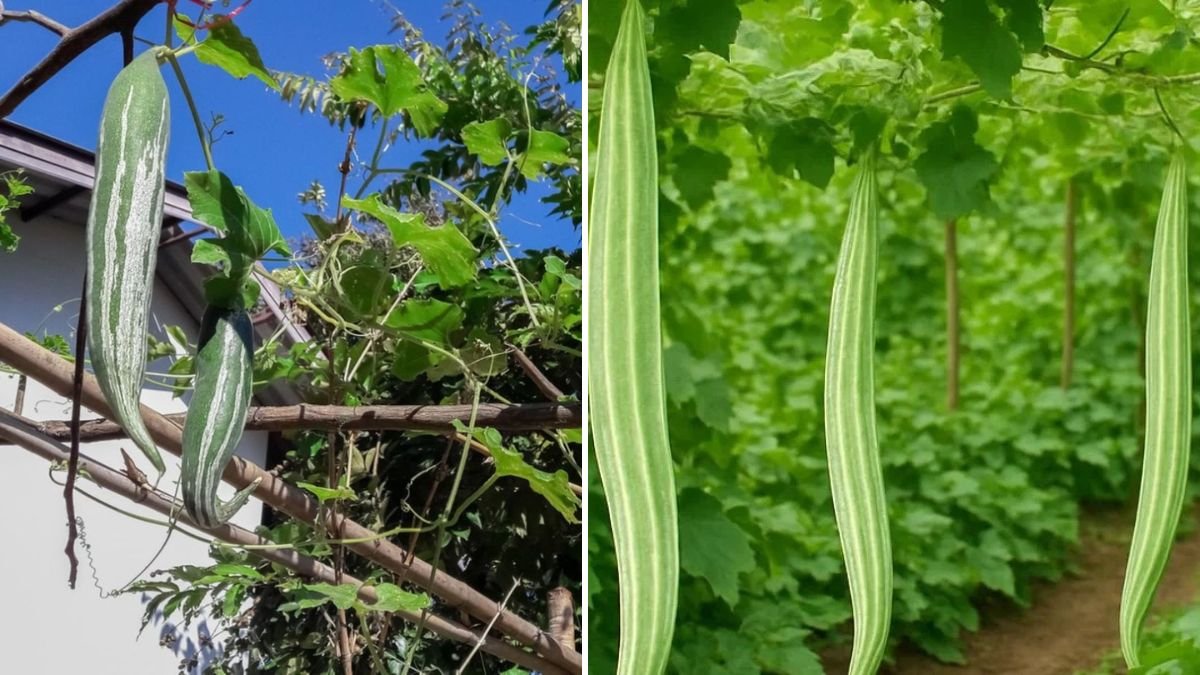
Snake gourd (Trichosanthes cucumerina) is a climbing vine prized for its long, slender, and nutritious fruits, commonly used in Asian and tropical cuisines. Traditionally grown in open fields or garden plots, snake gourd can also thrive in containers, making it perfect for home gardeners with limited space, balconies, or small patios.
Growing snake gourd in containers not only saves space but also allows better control over soil quality, watering, and pest management. In this comprehensive guide, we’ll show you how to grow, care for, and harvest snake gourd in containers, ensuring healthy plants and abundant yields.
Why Grow Snake Gourd in Containers?

Container cultivation of snake gourd has several advantages:
- Space-Saving: Ideal for urban gardeners or small patios.
- Soil Control: Easily manage nutrient-rich soil and drainage.
- Mobility: Containers can be moved to optimize sunlight exposure.
- Pest and Disease Management: Easier to monitor and prevent infestations.
- Extended Growing Season: Containers can be relocated indoors or to sheltered areas during extreme weather.
💡 Tip: Snake gourd is a climbing vine, so provide vertical support like trellises or stakes for optimal growth in containers.
Step 1: Choosing the Right Container
The container is crucial for healthy growth. Consider these factors:
- Size: Minimum 12–15 inches in diameter and at least 12 inches deep. Larger containers support more extensive root systems.
- Material: Terracotta, plastic, or fabric pots work well. Terracotta allows better aeration but dries faster. Plastic retains moisture.
- Drainage: Ensure containers have adequate drainage holes to prevent waterlogging, which can cause root rot.
💡 Pro Tip: Use large buckets or grow bags for heavier yields and longer vines.
Step 2: Selecting the Soil

Snake gourd prefers well-draining, fertile soil. A good mix for container cultivation includes:
- 1 part garden soil
- 1 part compost or well-rotted manure
- 1 part coco peat or perlite (for aeration and moisture retention)
The soil should be loamy, rich in organic matter, and slightly acidic to neutral (pH 6.0–7.0).
💡 Tip: Adding neem cake or vermicompost improves fertility and protects against pests.
Step 3: Choosing Seeds or Seedlings
You can grow snake gourd from seeds or young seedlings:
Seeds:
- Soak seeds in water for 24 hours before sowing to improve germination.
- Sow 2–3 seeds per container, about 1 inch deep.
- Thin to the strongest seedling once germinated.
Seedlings:
- Transplant healthy 3–4 week old seedlings into containers, spacing 1 plant per container.
💡 Tip: Use fresh seeds for faster germination; old seeds may take longer and have reduced viability.
Step 4: Providing Support

Snake gourd is a climbing plant that requires vertical support for healthy growth and maximum fruit production.
- Trellises: Bamboo, metal rods, or wooden sticks arranged in a pyramid or teepee shape work well.
- String Support: Tie vines loosely as they grow to guide them upward.
- Wall Support: Container gardens near a wall can use ropes or mesh for vertical climbing.
💡 Tip: Vertical growth not only saves space but also improves air circulation and sunlight exposure, reducing disease risk.
Step 5: Watering and Moisture Management
Snake gourd requires consistent moisture but cannot tolerate waterlogging.
- Water 2–3 times per week, adjusting for weather and soil moisture.
- Ensure even moisture in the container; dry soil can stress the plant and reduce flowering.
- Mulch with straw or dried leaves to retain moisture and reduce soil temperature fluctuations.
💡 Pro Tip: Use a drip irrigation system or watering can with fine spout for controlled watering.
Step 6: Fertilization

Regular feeding is crucial for vigorous growth and high yields:
- Organic Fertilizers: Compost tea, cow dung slurry, or vermicompost every 2–3 weeks.
- NPK Fertilizers: Use a balanced fertilizer (10:10:10 or 14:14:14) once a month.
- Micronutrients: Occasionally supplement with magnesium and calcium for better flowering and fruit development.
💡 Tip: Avoid over-fertilization of nitrogen, as it may promote leaf growth but reduce flowering.
Step 7: Pollination and Flower Care
Snake gourd produces male and female flowers, often on the same plant:
- Male Flowers: Appear first; do not produce fruit but attract pollinators.
- Female Flowers: Small fruit appears at the base after pollination.
Pollination Tips:
- Outdoors: Natural pollinators like bees usually suffice.
- Indoors: Hand-pollinate using a soft brush to transfer pollen from male to female flowers.
💡 Tip: Regularly remove dead flowers to encourage new blooms and fruit set.
Step 8: Pest and Disease Management
Common pests and diseases affecting snake gourd include:
Pests:
- Aphids
- Red pumpkin beetles
- Fruit flies
Diseases:
- Powdery mildew
- Downy mildew
- Root rot (from waterlogging)
Organic Control Measures:
- Spray neem oil or garlic-chili solution for pests.
- Ensure good airflow to prevent fungal diseases.
- Remove infected leaves immediately.
💡 Tip: Container gardening reduces pest exposure but vigilance is still necessary.
Step 9: Harvesting Snake Gourd

- Harvest fruits when they reach 2–3 feet long (depends on variety).
- Pick early-morning when fruits are firm and tender.
- Use sharp scissors or knife to cut fruits without damaging the vine.
- Regular harvesting encourages continued flowering and fruit production.
💡 Pro Tip: Avoid over-mature fruits; they can become fibrous and reduce vine productivity.
Benefits of Growing Snake Gourd in Containers
- Fresh Homegrown Produce: Enjoy organic snake gourd without chemicals.
- Space Optimization: Ideal for apartments, balconies, and small gardens.
- Control Over Growth Conditions: Monitor soil, water, and sunlight easily.
- Continuous Production: Container-grown plants can produce multiple harvests.
- Educational and Fun: Great way to teach kids or beginners about gardening.
Quick Checklist for Container Snake Gourd Gardening
| Step | Tip |
|---|---|
| Container | 12–15 inch diameter, 12 inches deep, drainage holes |
| Soil | Mix of garden soil, compost, and coco peat/perlite |
| Seeds/Seedlings | 2–3 seeds per container; thin to 1 seedling |
| Support | Trellis, string, or mesh for vertical climbing |
| Watering | 2–3 times per week; keep soil evenly moist |
| Fertilization | Organic fertilizer bi-weekly; balanced NPK monthly |
| Light | Full sun (6–8 hours) or bright indirect light indoors |
| Pests/Diseases | Neem oil, garlic spray, good airflow, remove dead leaves |
| Harvest | When fruits are firm, 2–3 feet long; cut carefully |
Conclusion
Growing snake gourd in containers is a practical and rewarding solution for gardeners with limited space. By following the steps outlined — selecting the right container, using fertile soil, providing support, maintaining proper watering and nutrition, and managing pests — anyone can grow healthy vines and enjoy fresh, nutritious snake gourd at home.
With vertical growth, careful care, and regular harvesting, container-grown snake gourd can produce multiple bountiful crops, bringing the joy of gardening to your balcony or patio. Whether you are a beginner or experienced gardener, this method makes snake gourd cultivation accessible, productive, and highly satisfying.