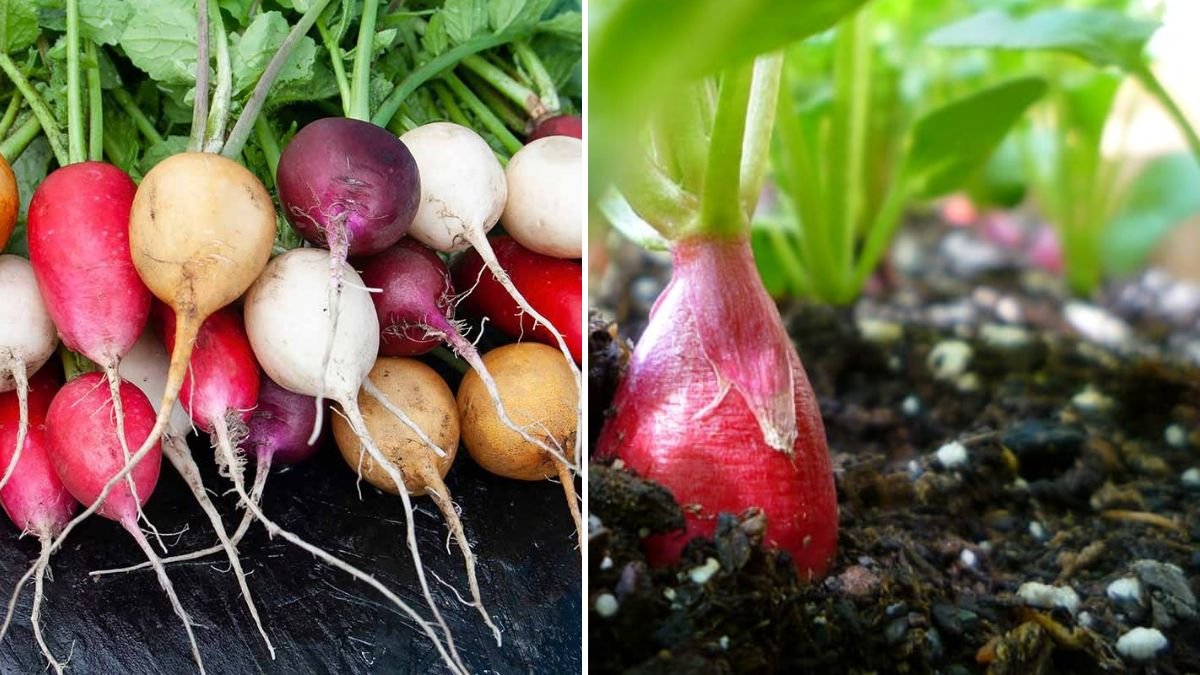
Growing fresh vegetables at home has never been more exciting—or more space-efficient. Imagine reaping a bountiful harvest of corn and radish using just five containers. It may sound unbelievable, but with the right techniques, soil preparation, and care, container gardening can produce astonishing results even in small spaces like balconies, terraces, or rooftops. This guide walks you through the method, tips, and secrets to achieving incredible yields of corn and radish using minimal containers.
Why Container Gardening?
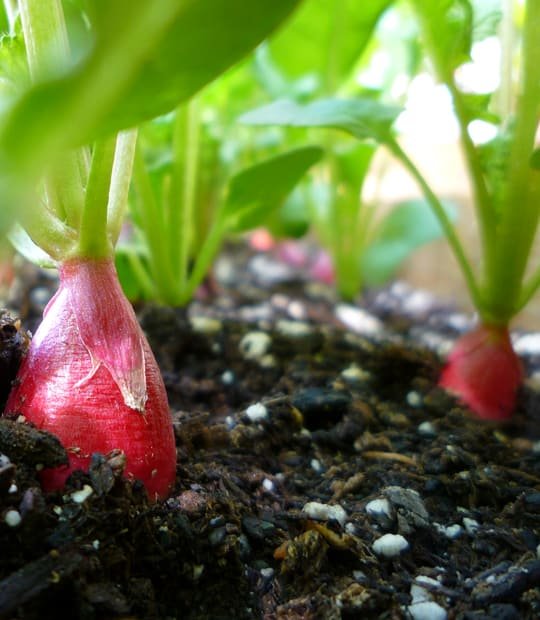
Container gardening is an excellent solution for urban dwellers, people with limited outdoor space, or anyone seeking a manageable gardening system. Its advantages include:
- Space Efficiency: Even a small balcony can host several productive containers.
- Mobility: Containers can be moved to optimize sunlight or protect plants from adverse weather.
- Soil Control: You can create the perfect soil mix for each crop, ensuring maximum growth.
- Reduced Pest and Disease Risks: Isolated plants are easier to monitor and manage.
By carefully choosing crops that thrive in containers, such as corn and radish, you can maximize productivity without needing acres of land.
Step 1: Selecting the Right Containers
Container choice is crucial for success:
- Size Matters: Corn requires deep containers (at least 12–16 inches) for strong root development. Radishes need smaller but well-draining containers.
- Material: Plastic, ceramic, or terracotta containers work well. Ensure they have adequate drainage holes.
- Number of Containers: For this experiment, five containers can be used strategically—three for corn and two for radish, balancing space and yield.
Remember: deeper containers encourage strong roots, while proper drainage prevents waterlogging, which is essential for both corn and radish.
Step 2: Preparing the Soil
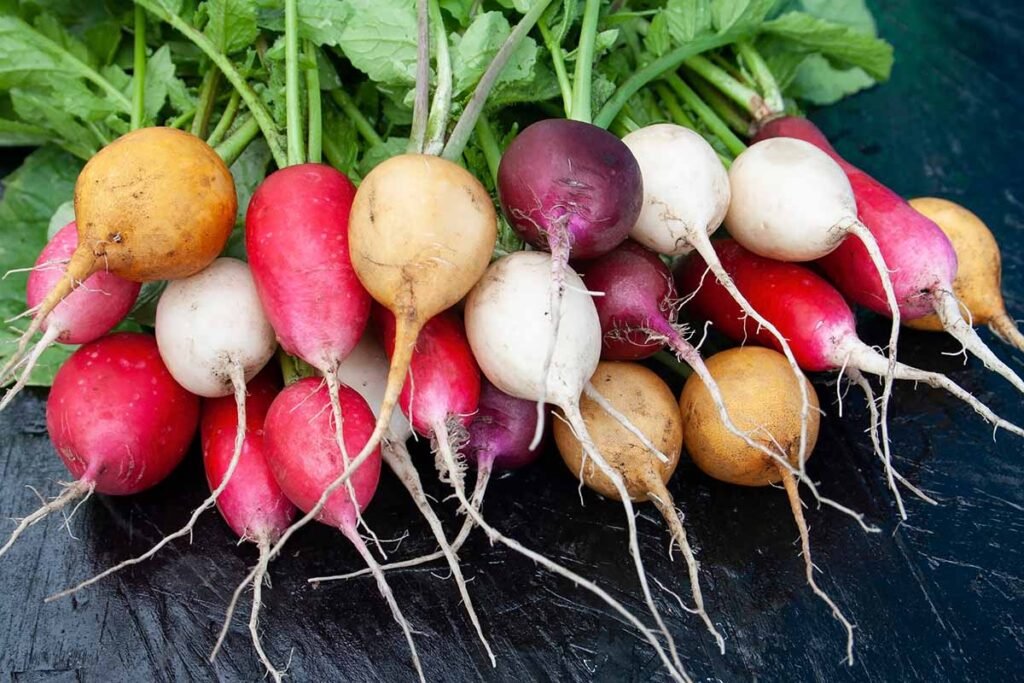
Healthy soil is the foundation of an incredible harvest:
- Loamy Soil: Mix garden soil with compost to create a nutrient-rich base.
- Aeration: Add perlite or sand to improve drainage and prevent compacted roots.
- Fertilization: Incorporate slow-release organic fertilizers to supply essential nutrients like nitrogen, phosphorus, and potassium.
- pH Balance: Corn and radish grow best in slightly acidic to neutral soil (pH 6.0–7.0). Test and adjust as needed.
Container soil should be light, fluffy, and nutrient-rich. This ensures roots can penetrate easily and plants can grow vigorously.
Step 3: Planting Corn and Radish
Corn Planting:
- Plant 2–3 corn seeds per container, spacing them evenly.
- Sow seeds about 1–2 inches deep.
- Once seedlings sprout, thin to 1–2 strongest plants per container.
Radish Planting:
- Radish seeds can be sown more densely. Scatter seeds evenly across the soil surface.
- Cover lightly with soil, about 0.5 inch deep.
- Thin seedlings as they grow, leaving 1–2 inches between plants for optimal growth.
Planting corn and radish together in separate containers allows easy care and prevents competition for nutrients.
Step 4: Watering and Nutrient Management
Proper water and nutrition management is key to achieving unbelievable results:
- Watering:
- Keep soil consistently moist, but not waterlogged.
- Corn needs slightly more water during germination and early growth stages.
- Radishes prefer even moisture to avoid tough, woody roots.
- Nutrient Supplementation:
- Corn is a heavy feeder; apply nitrogen-rich fertilizer once or twice during growth.
- Radish benefits from balanced fertilizer with phosphorus for root development.
- Organic liquid fertilizers can enhance growth and yield.
Monitoring the plants regularly helps prevent under- or over-watering, nutrient deficiencies, or stress.
Step 5: Maximizing Growth in Limited Containers
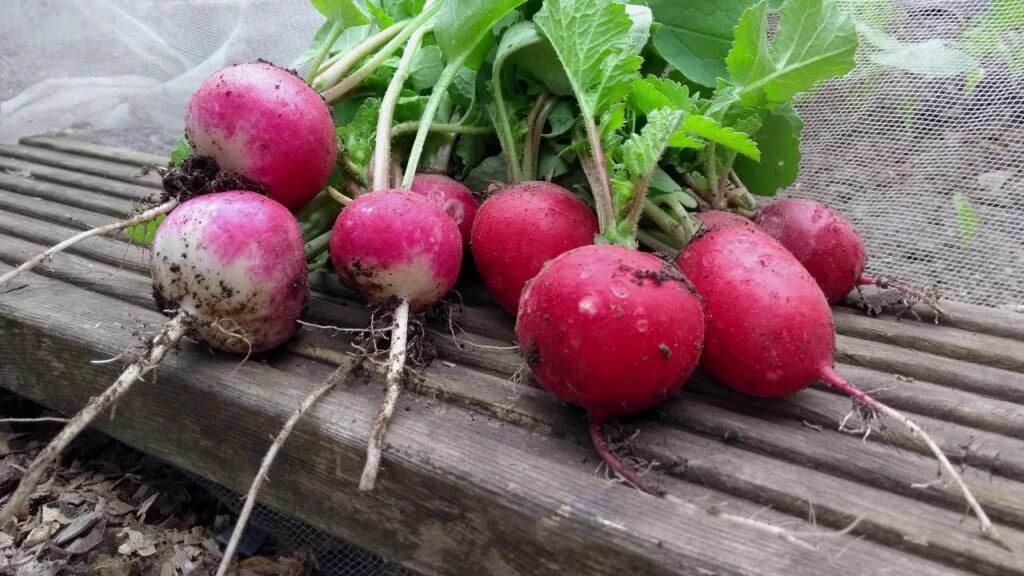
Even with just five containers, you can produce a remarkable harvest by following these techniques:
- Companion Planting: Corn and radish complement each other. Corn provides partial shade, while radish grows quickly, allowing multiple harvests before corn matures.
- Succession Planting: Sow radish seeds every 1–2 weeks for continuous harvest.
- Sunlight Optimization: Place containers in full sunlight for 6–8 hours daily. Rotate containers if needed.
- Support Corn Stalks: Use small stakes or trellises to stabilize growing corn. Strong stalks prevent tipping in containers.
These practices ensure the plants grow vigorously despite limited space.
Step 6: Pest and Disease Management
Container plants are less prone to pests than field crops, but vigilance is important:
- Common Pests: Aphids, caterpillars, and beetles can affect corn and radish. Use organic sprays or neem oil for control.
- Disease Prevention: Avoid overwatering to prevent root rot or fungal infections.
- Regular Inspections: Check leaves, stems, and roots weekly to catch problems early.
Healthy, well-nourished plants naturally resist many pests and diseases, reducing the need for chemical interventions.
Step 7: Harvesting Your Crops
Timing and technique make all the difference:
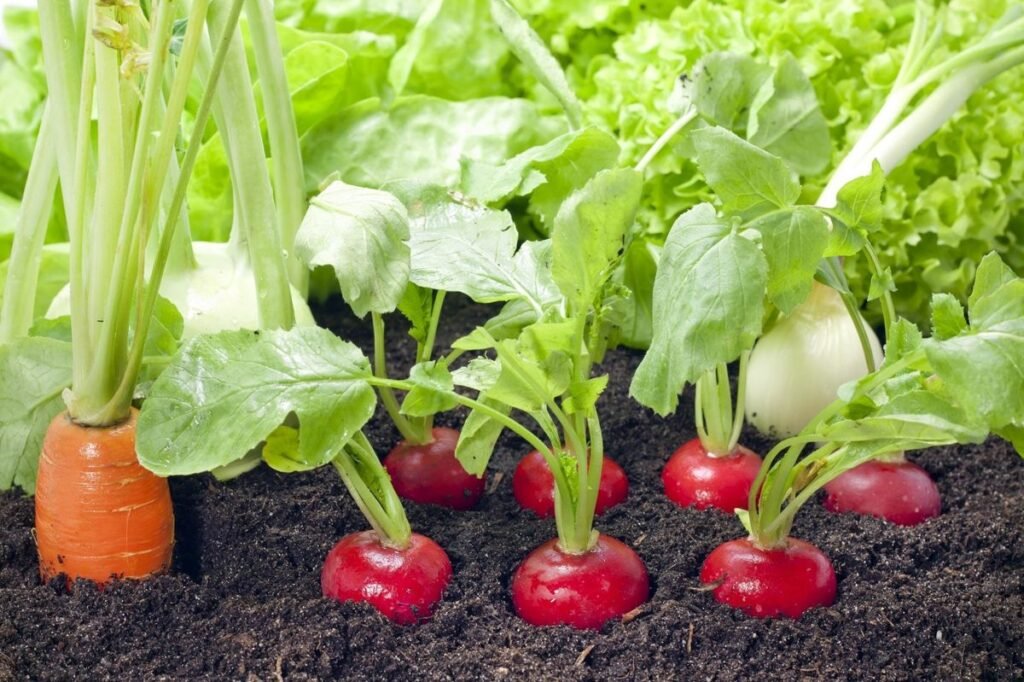
Radish Harvesting:
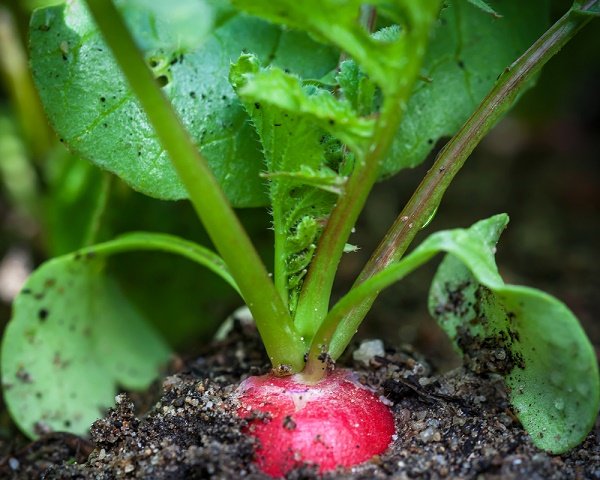
- Radishes mature quickly, often within 25–35 days.
- Pull them gently once the roots reach a desirable size (1–2 inches diameter).
- Continuous sowing ensures a steady supply of radish.
Corn Harvesting:
- Corn ears are ready when silks turn brown and kernels are plump and milky.
- Gently twist or cut the ear from the stalk to avoid damaging the plant.
- Corn typically takes 60–90 days depending on variety.
By harvesting promptly and correctly, you encourage further growth and maximize the yield from limited containers.
Step 8: The Results—Unbelievable Yield
Using just five containers, this approach can produce:
- Corn: 3–6 ears per container depending on spacing, nutrients, and care.
- Radish: Multiple harvests from the same containers, allowing dozens of radishes over a few months.
With careful management, the combined yield is astonishing, proving that space constraints don’t limit productivity.
Step 9: Lessons Learned
- Space Doesn’t Limit Productivity: With strategic planting, even small containers can yield abundantly.
- Soil Health is Critical: Well-prepared soil produces stronger roots and healthier plants.
- Consistent Care Pays Off: Daily observation, watering, and nutrient management result in exceptional harvests.
- Experimentation Works: Companion planting and succession planting increase efficiency and yield.
- Sustainability: Growing your own food in containers reduces dependency on store-bought vegetables and minimizes food waste.
The experiment highlights how ingenuity, careful planning, and dedication can transform a few containers into a mini vegetable farm.
Conclusion
The unbelievable results of growing corn and radish in just five containers demonstrate that container gardening is more than a hobby—it’s a practical solution for urban food production. With the right soil preparation, plant selection, care, and harvesting techniques, even limited space can produce a bounty of fresh, nutritious vegetables.
Whether you have a rooftop, balcony, or small backyard, this approach empowers you to cultivate abundant crops, reduce food costs, and enjoy the satisfaction of growing your own food. The success of this container gardening experiment proves that size doesn’t matter; strategy, care, and dedication do.
By following these methods, anyone can go from a few containers to a flourishing mini-garden, turning limited space into a productive, green paradise. From small seeds to abundant harvests, the journey from planting to the table is not just rewarding—it’s nothing short of unbelievable.