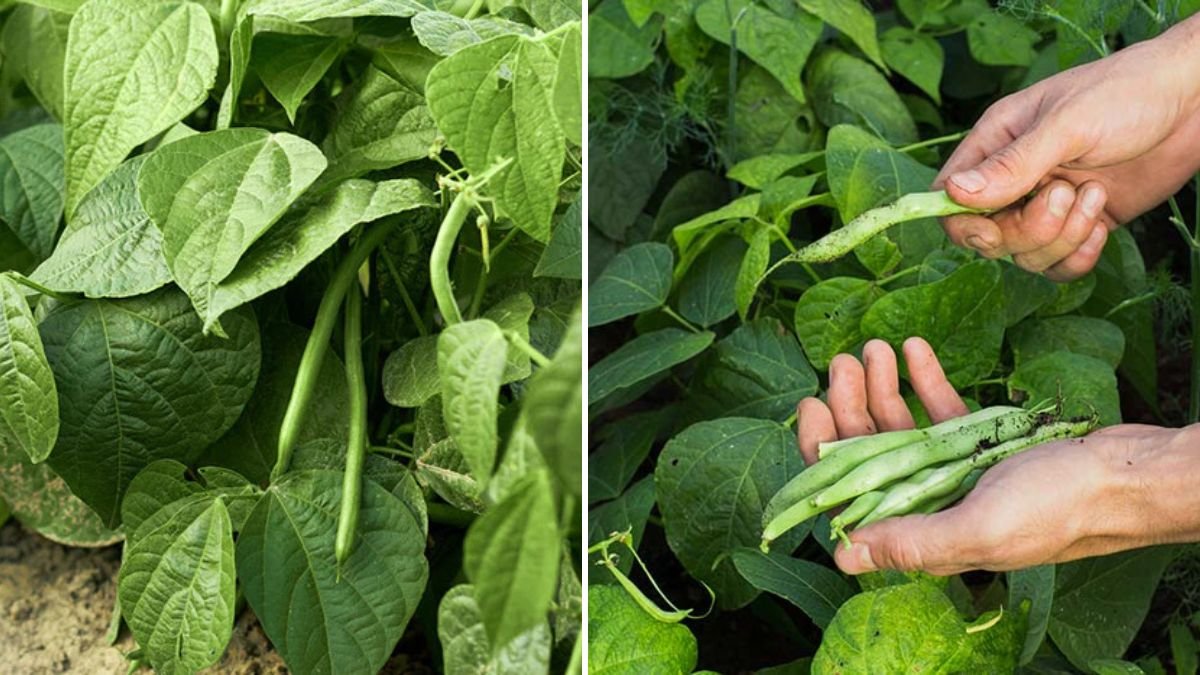
Bush beans are one of the easiest and most productive vegetables to grow—perfect for beginners, balcony gardeners, and anyone who wants quick, reliable harvests. Unlike pole beans, which need tall trellises, bush beans grow compactly and produce a large number of tender, delicious pods in just 45–55 days. Their fast growth, minimal care requirements, and continuous harvest make them a must-grow crop for every home gardener.
This step-by-step guide will teach you exactly how to grow bush beans successfully, whether in containers, raised beds, or the ground. From choosing the right variety to preparing the soil, planting seeds, caring for your plants, and dealing with pests—everything is explained in clear detail.
Let’s get started!
1. Why You Should Grow Bush Beans
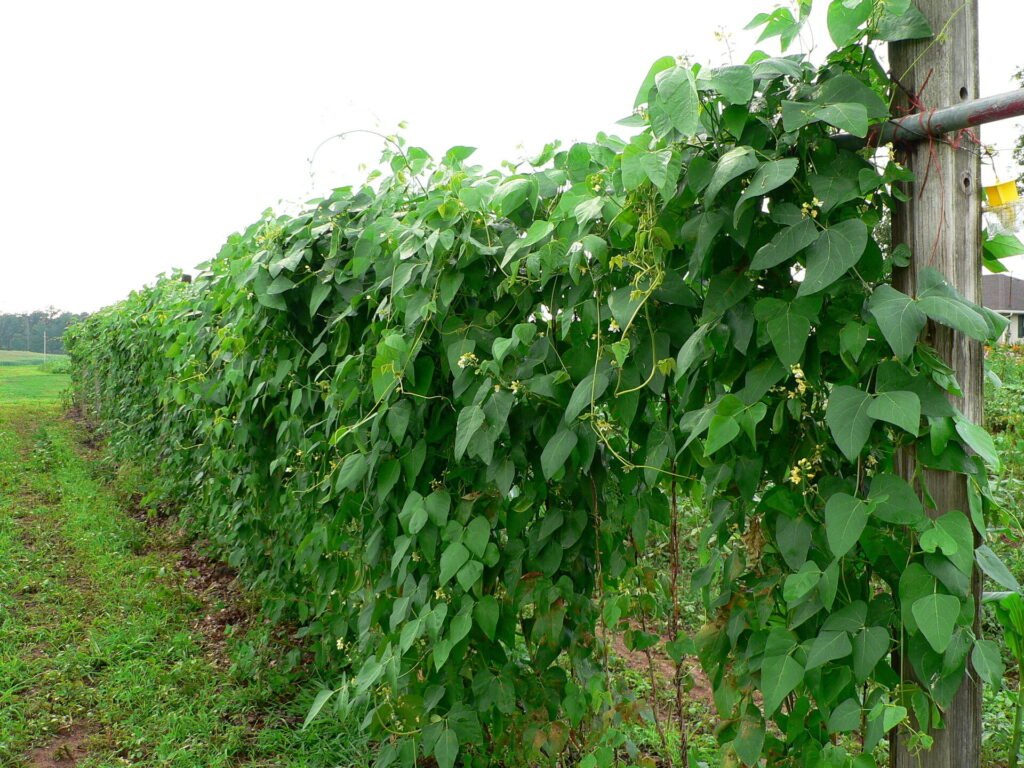
Bush beans are one of the most beginner-friendly crops because they offer:
Fast growth
You can harvest in 6–8 weeks.
No trellis needed
They grow only 1–2 feet tall.
High yield
Each plant produces dozens of pods.
Nutritious
Rich in fiber, vitamins A, C, K, and plant protein.
Great for containers
Perfect for balconies and patios.
If you want a vegetable that grows quickly with minimal effort, bush beans are the ideal choice.
2. Best Bush Bean Varieties to Grow
Choose varieties that suit your climate and culinary preferences.
Green Bush Beans
- Provider
- Blue Lake Bush
- Contender
Yellow (Wax) Beans
- Golden Wax
- Cherokee Wax
Purple Bush Beans
- Purple Queen
- Royal Burgundy
Purple beans turn green when cooked—and they’re heat-tolerant.
3. Where to Grow Bush Beans: Container, Beds, or Soil
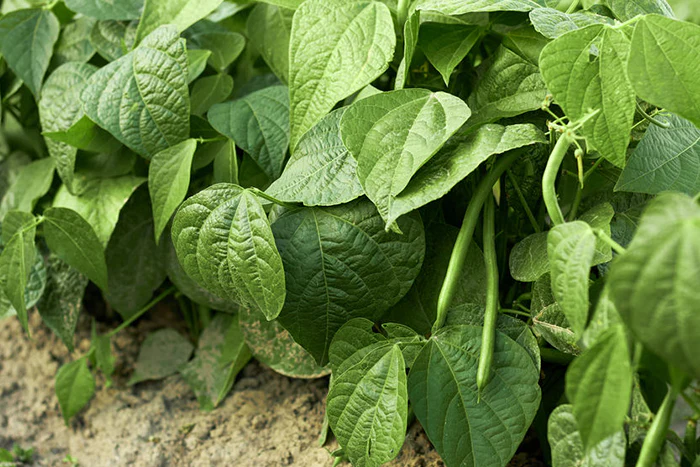
Bush beans adapt well to any growing environment:
In Containers
- Minimum size: 10–12 inches deep
- Width: 12–16 inches
- Use fabric grow bags for best results
- Grow 3–4 plants in one 12-inch pot
In Raised Beds
- Plant in rows
- Spacing: 15–20 cm apart
In Ground Soil
- Choose a spot with full sun
- Ensure soil drains well to avoid root rot
4. Preparing the Soil
Beans are nitrogen-fixing plants, which means they produce their own nitrogen. For this reason, you should avoid using nitrogen-heavy fertilizers.
Ideal Soil Mix:
50% garden soil
30% compost (well-rotted)
20% coco peat or sand
Additives:
- 1 handful wood ash (for potassium)
- A tablespoon neem cake powder (prevents pests)
Avoid manure that is too fresh—it may cause excessive leaf growth and fewer pods.
5. Planting Bush Bean Seeds
Bush beans grow best when started directly from seed. No need to germinate in trays.
How to Plant:
- Make small holes 1 inch deep.
- Drop 1 seed per hole.
- Space seeds 3–4 inches apart.
- Cover lightly with soil.
- Water gently using a spray or watering can.
Ideal Temperature:
- 18–30°C for quick germination
Seeds sprout in 5–7 days.
6. Sunlight Requirements
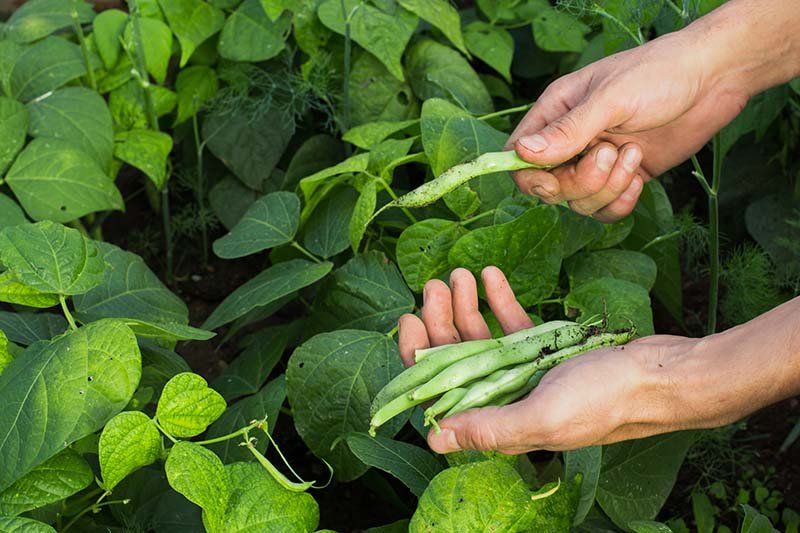
Bush beans love sunlight!
✔ 6–8 hours of direct sunlight daily
✔ Avoid shady spots—it reduces flowering and pod production
✔ Provide morning sunlight if afternoon heat is extreme
7. Watering Bush Beans the Right Way
Proper watering is key to healthy plants.
General Rules:
- Keep soil consistently moist, not waterlogged
- Water daily in hot weather
- Water every 2–3 days in winter
- Always water the base, not the leaves
Mulching with straw, dry leaves, or coco husk helps retain moisture and prevents soil crusting.
8. Fertilizing Bush Beans
Since beans fix nitrogen, they don’t need much fertilizer.
Best time to fertilize:
- Before flowering
- After first harvest
Organic Fertilizer Options:
- Vermicompost (1 handful per plant)
- Wood ash (for pod development)
- Banana peel fertilizer (rich in potassium)
- Seaweed extract (1–2 times a month)
Avoid nitrogen-heavy fertilizers—they create lush leaves but no beans.
9. Flowering Stage: Helping Beans Set Pods
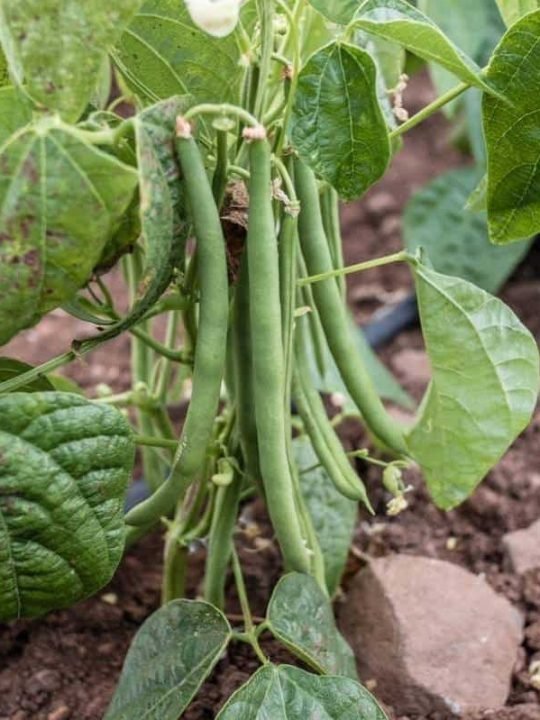
Bush beans begin flowering 30–35 days after planting.
To encourage more flowers:
- Ensure 6+ hours of sunlight
- Keep soil evenly moist
- Avoid overfeeding with nitrogen
- Gently shake plants to help pollination (optional)
A stressed plant often drops flowers—keep conditions stable.
10. Protecting Bush Beans from Pests & Diseases
Bush beans attract some common pests, but they are easy to control.
Common Pests:
1. Aphids
Symptoms: sticky leaves, curling tips
Solution: Neem oil spray weekly
2. Spider Mites
Symptoms: tiny webs, yellow speckles
Solution: Mist leaves with water + neem spray
3. Caterpillars
Symptoms: holes in leaves
Solution: Handpick or use organic BT spray
4. Bean beetles
Solution: Garlic-chili spray every 10 days
Common Diseases:
1. Rust
Brown-orange spots
Fix: Remove affected leaves + improve airflow
2. Powdery Mildew
White powdery coating
Fix: Spray baking soda + water solution
3. Root Rot
Caused by overwatering
Fix: Improve drainage and avoid soggy soil
11. Supporting the Plants (Optional)
Bush beans don’t require support like pole beans, but providing small sticks can help plants stay upright when loaded with pods.
✔ Use 1-foot bamboo sticks
✔ Install them around the plants
✔ Tie gently using jute thread
This prevents stems from bending during windy days.
12. Harvesting Bush Beans
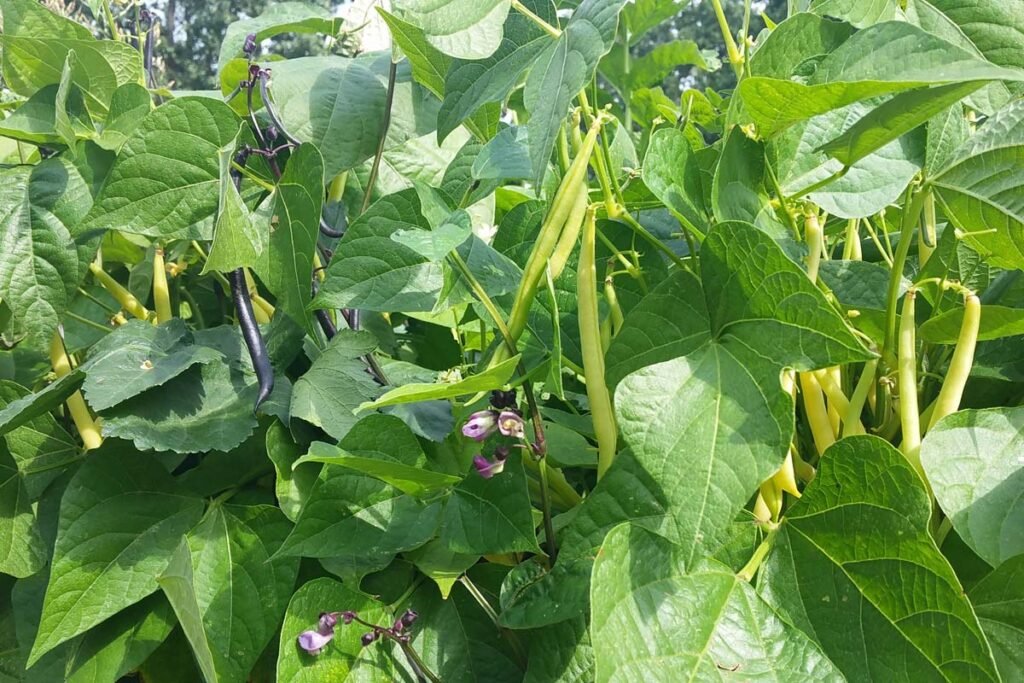
Bush beans are ready for harvest 45–55 days after planting.
Signs of Mature Pods:
- Firm, crisp, and smooth
- 4–6 inches long
- Seeds inside are still small
- Pods snap easily when bent
Pick beans every 2–3 days to encourage more growth.
Harvesting Tips:
- Use two hands: one to hold plant, one to pick pods
- Avoid pulling or tugging
- Morning harvest ensures crisp beans
The more you pick, the more the plant produces!
13. How Long Do Bush Bean Plants Live?
Bush beans have a short but productive life cycle of about 70–80 days.
After they produce pods heavily for 2–3 weeks, production gradually declines. At that point, pull out old plants and replant fresh seeds for a continuous supply.
Bush beans are perfect for succession planting—plant new seeds every 3–4 weeks.
14. Growing Bush Beans in a Small Balcony
Even if you have limited space, you can still grow a generous amount of beans.
Setup:
- Use 10–12 inch pots
- Plant 3–4 seeds per pot
- Arrange pots in a sunny corner
- Add a mulch layer
- Fertilize lightly every 2 weeks
You can expect 20–30 pods per plant with proper care.
Final Thoughts: A Hassle-Free, High-Reward Crop
Bush beans are truly a beginner’s goldmine—they grow fast, require minimal care, and produce abundant, tender, delicious pods that elevate every meal. Whether growing in containers, raised beds, or garden soil, bush beans reward you with:
Quick harvest
Nutrient-rich pods
Low maintenance
Great productivity
A fun gardening experience
With the simple steps in this guide—choosing the right variety, preparing fertile soil, planting seeds, watering correctly, and harvesting at the right time—you’ll enjoy continuous crops of fresh, crunchy bush beans right from your home.