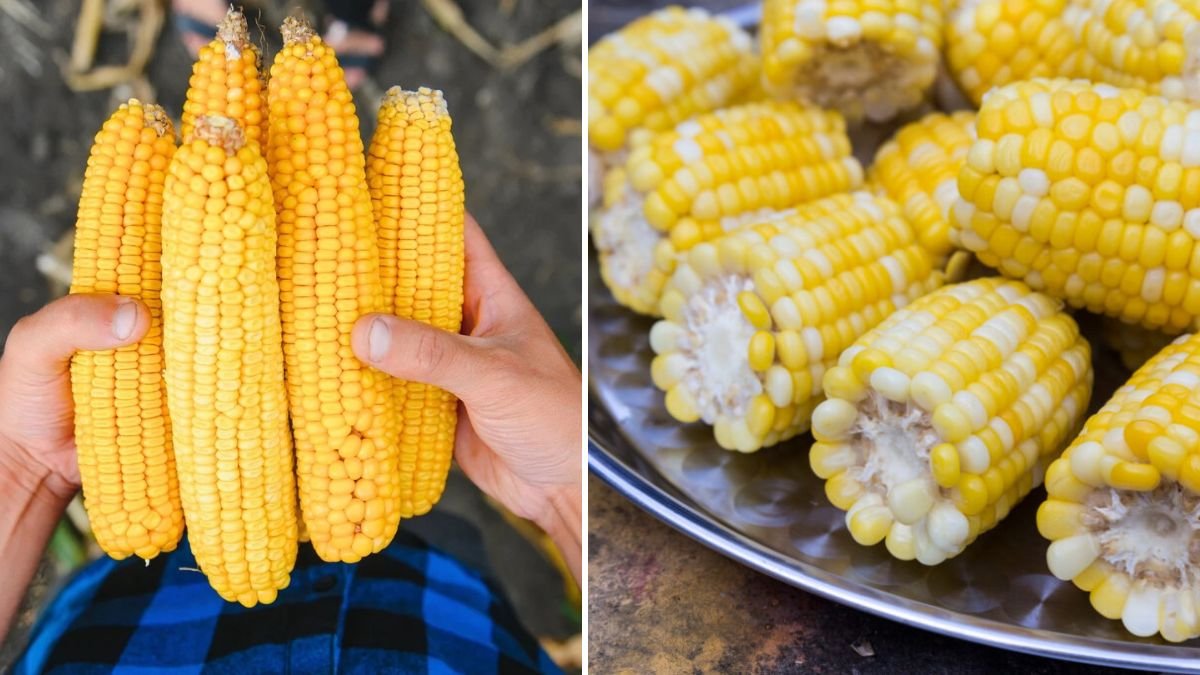
Growing your own food in containers is one of the most rewarding experiences for small-space gardeners. But did you know that you can grow two high-yield crops—melon and sweet corn—together in the same container? This unique pairing not only saves space but also creates a mini ecosystem where both plants thrive with the right care. If you love sweet fruits and crunchy vegetables, this combined container gardening method will help you enjoy the best of both worlds on your balcony, terrace, or backyard.
This detailed guide will teach you everything you need to know—container size, soil mix, spacing, fertilizing, common mistakes, and how to maximize your harvest. Let’s get started!
Why Grow Melon and Sweet Corn Together?
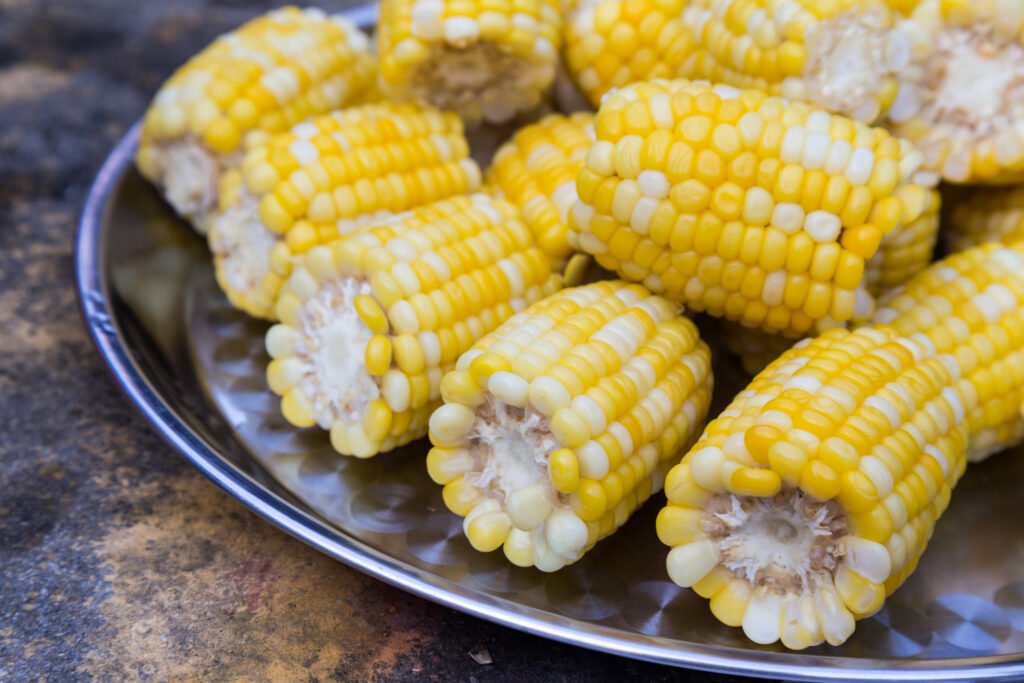
This combination works beautifully for three reasons:
1. Sweet Corn Acts as a Natural Support
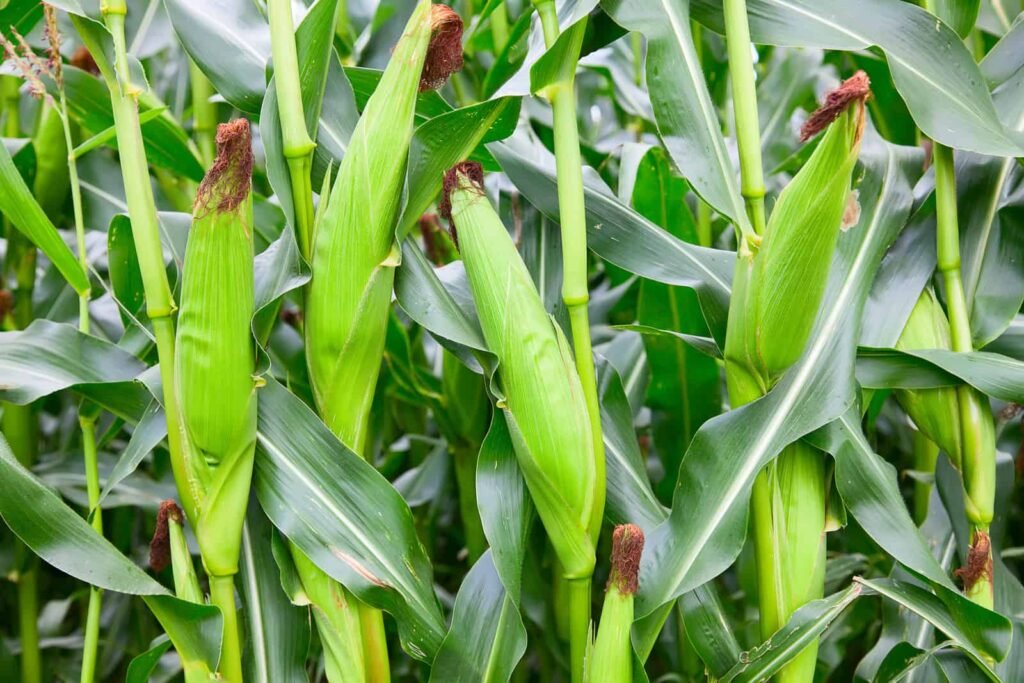
As sweet corn grows tall and strong, it can provide partial support and shade for young melon vines. While melons still need a trellis for final support, the corn minimizes heat stress and wind damage early on.
2. Both Love Similar Soil & Nutrients
Both melon and corn prefer:
- Warm temperatures
- Rich organic soil
- Full sunlight
- Consistent watering
This makes them compatible companions in a shared container.
3. Efficient Use of Vertical and Horizontal Space
Corn grows vertically, while melon spreads horizontally or climbs. This lets you produce two crops in one footprint, maximizing productivity for small spaces.
Step-by-Step Guide to Growing Melon and Sweet Corn in a Container
1. Choose the Right Container
For two nutrient-hungry crops, container size is critical.
✔ Minimum size:
- 60–80 liters (15–20 gallons)
- Depth: 14–16 inches
- Width: 20–24 inches
✔ Ideal container types:
- Large grow bags
- Plastic tubs
- Barrels with drainage holes
- Wooden boxes
✔ Ensure:
- 6–10 drainage holes at the bottom
- A tray or stand to avoid clogging or root rot
2. Prepare a Rich, Well-Draining Soil Mix
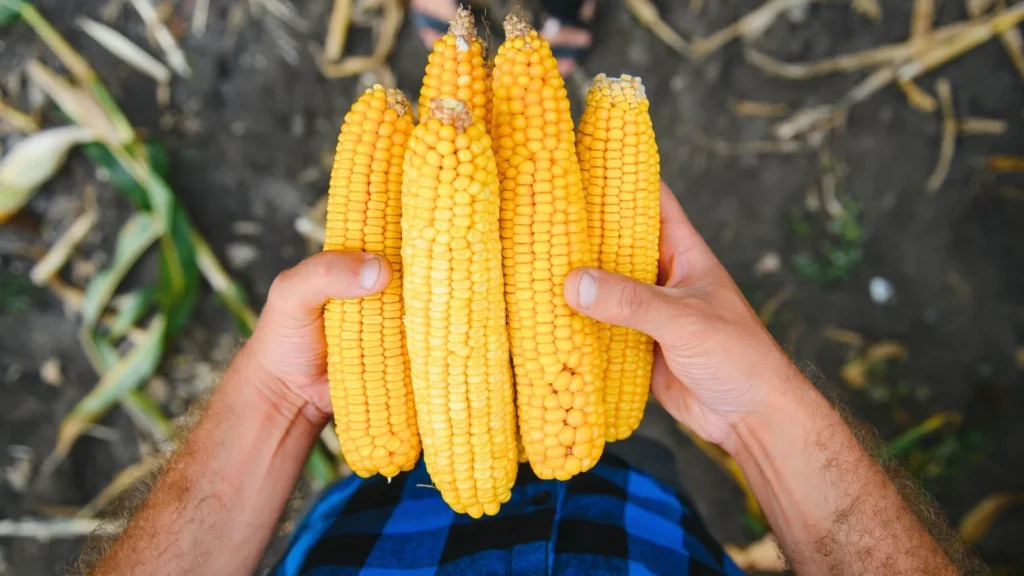
For fast growth and sweet fruits, your soil must be nutrient-packed.
Perfect Container Mix:
40% garden soil
30% well-rotted compost (cow dung, vermicompost)
20% coco peat or rice hulls
10% sand/perlite for drainage
Boosters to Add:
- 1 cup neem cake powder (pest protection)
- 1 cup bone meal (flower & fruit development)
- 1–2 handfuls of wood ash (potassium for sweet melons)
Mix everything thoroughly before filling the container.
3. Planting Melon and Sweet Corn Seeds
Step-by-step Planting Layout:
For Sweet Corn:
- Plant 3 seeds in a triangular pattern.
- Spacing: 20–25 cm apart
- Depth: 1 inch
Corn germinates in 5–7 days.
For Melon:
- Plant 1–2 seeds near the container edge.
- Depth: ½–¾ inch
- If both seeds germinate, thin to one healthy plant.
Melon seeds germinate in 7–10 days.
4. Provide Strong Support for Vines
Corn Helps, But You Still Need a Trellis
Melon vines will eventually get heavy with fruit, so provide a strong support structure:
✔ Bamboo tripod
✔ Wooden ladder
✔ Nylon net
✔ Metal trellis
Train the vines gently as they grow.
5. Watering Schedule
Both plants love consistent moisture but cannot tolerate waterlogged soil.
Watering Rules:
- Water daily in summer
- Keep soil moist but not soggy
- Reduce watering when melons start ripening (to increase sweetness)
Tip:
Mulch the container with dry leaves, straw, or coco husk to maintain soil moisture.
6. Fertilizing for Massive Growth
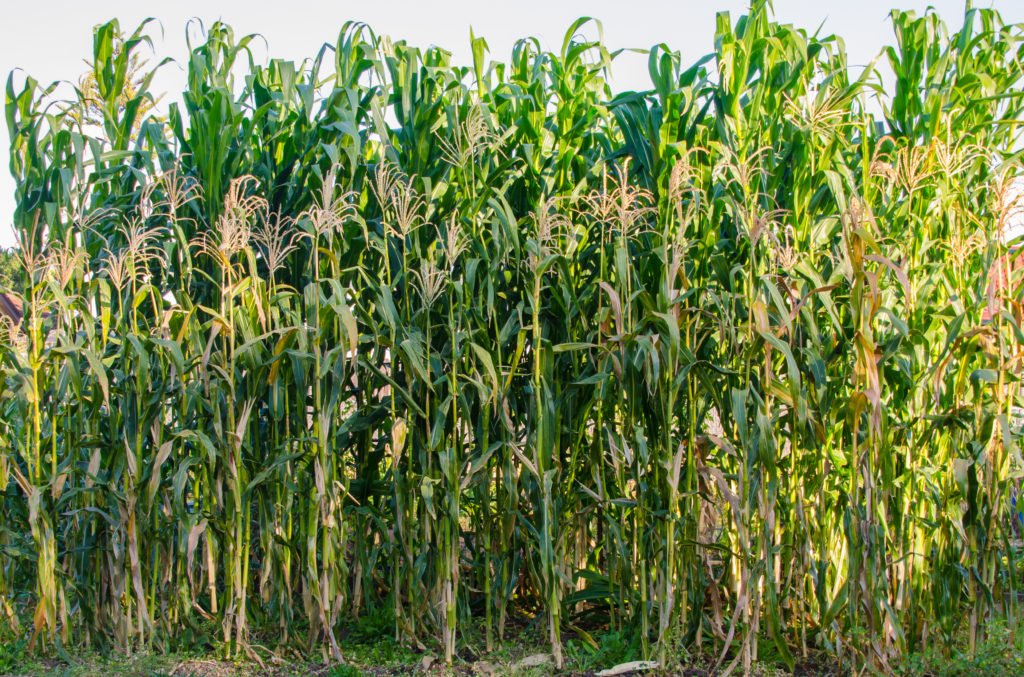
Corn and melons are heavy feeders. Feed them regularly.
Week-by-Week Fertilizer Plan
Week 1–2 (Seedling Stage):
- No fertilizer needed
- Only light watering
Week 3–4 (Vegetative Growth):
Apply:
- 1 handful vermicompost
- ½ handful neem cake
- Foliar feed once every 10 days (seaweed solution)
Week 5–7 (Flowering Stage):
Add:
- 1 handful bone meal
- 1 handful wood ash or banana peel fertilizer
- Liquid compost tea weekly
Week 8+ (Fruit Development):
Add:
- 1 handful of potash-rich fertilizer
- Reduce nitrogen to avoid excessive leaf growth
Melon sweetness increases with potassium!
7. Sunlight Requirements
Both plants are heat lovers.
6–8 hours of direct sunlight is ideal.
More light = sweeter melons + fuller corn kernels.
If growing indoors, add a grow light of 40–60W.
8. Pollination for High Yields
Melons:
They need good pollination for fruit set.
✔ Keep flowers open and dry
✔ Attract bees with basil or marigold nearby
✔ Or hand pollinate by transferring pollen from male to female flowers
Corn:
Corn is wind-pollinated.
✔ Shake the corn stalk lightly in the morning to distribute pollen
✔ Ensure good airflow around the container
This increases kernel formation.
9. Common Problems & How to Fix Them
Problem 1: Yellow Leaves
Cause: Nitrogen deficiency
Fix: Add compost tea or cow dung fertilizer
Problem 2: Fruit Not Forming
Cause: Poor pollination
Fix: Hand pollinate; attract bees
Problem 3: Powdery Mildew on Melon Leaves
Cause: Poor airflow
Fix:
- Prune excess leaves
- Spray 1 tablespoon baking soda + 1 liter water
Problem 4: Corn turning weak or thin
Cause: Lack of sunlight or nutrients
Fix: Increase sunlight exposure + add NPK or liquid fertilizer
10. Harvesting Your Double Crop
Harvesting Sweet Corn
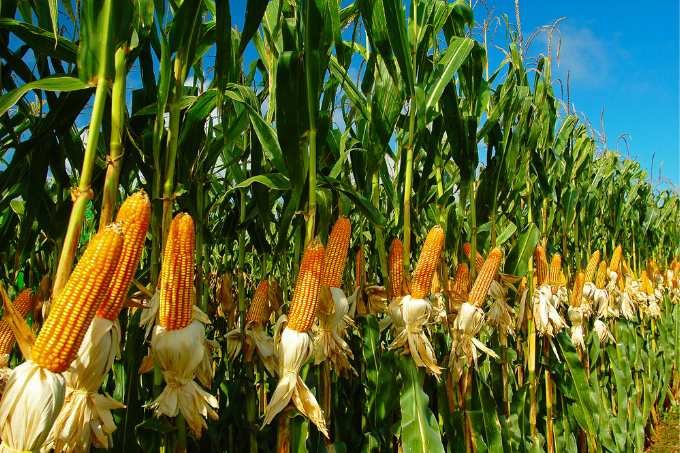
Ready 80–100 days after planting.
Signs:
- Silk turns brown
- Kernels feel plump
- Press a kernel → milky liquid comes out
Harvest ASAP for best sweetness.
Harvesting Melons
Ready 70–90 days after planting.
Signs:
- Strong sweet aroma
- Color change near the stem
- Fruit slips off easily when tugged
- Netting (on cantaloupe types) becomes prominent
Let them ripen fully for maximum sweetness.
Final Thoughts: A Smart, Space-Saving Garden Idea
Growing melon and sweet corn together in the same container is more than just a gardening trick—it’s a brilliant way to use your space efficiently while enjoying two delicious harvests. With rich soil, regular feeding, good sunlight, and proper vine support, this duo will reward you with sweet, juicy melons and fresh, tender corn straight from your balcony garden.
If you’re looking for a productive experiment that’s both fun and highly rewarding, try this combination—you’ll be amazed at what your container garden can produce!