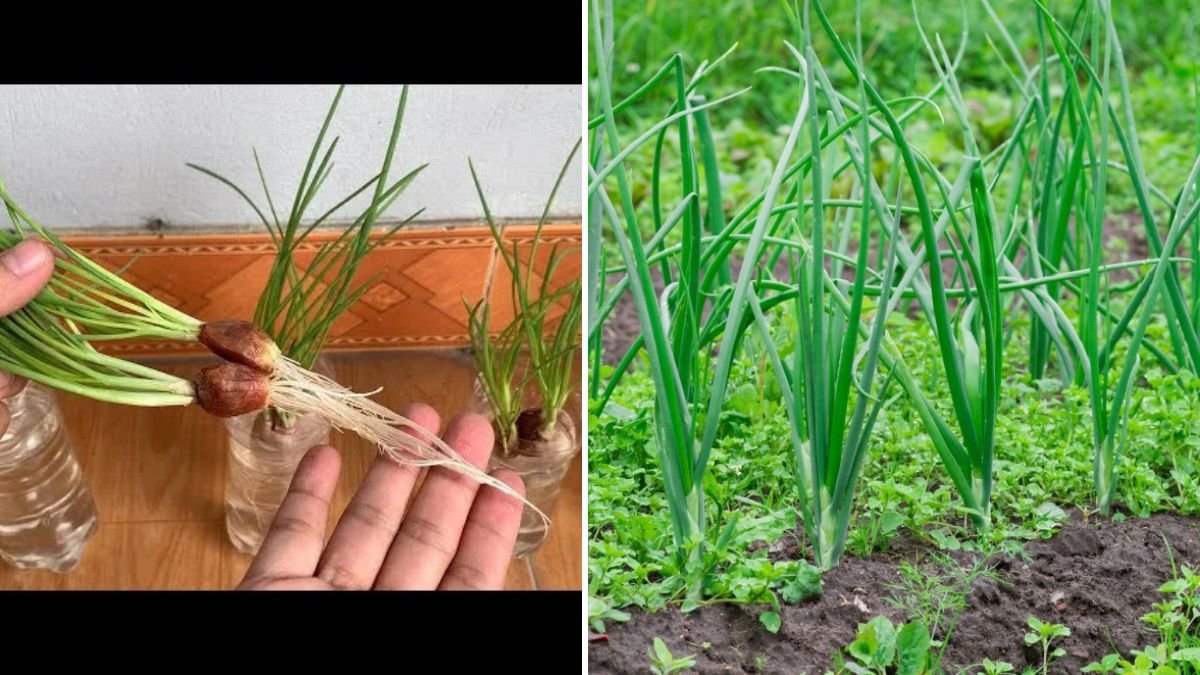
Spring onions, also known as green onions or scallions, are among the easiest vegetables to grow at home. They add fresh flavor to salads, soups, and a variety of dishes while being packed with nutrients. What if you could grow them even in small spaces, like balconies or terraces? That’s where PVC pipe gardening comes in! This method is perfect for urban gardeners, saving space, minimizing soil use, and making watering and maintenance a breeze. Here’s a complete guide to growing spring onions in PVC pipes, from seed to harvest.
Why Choose PVC Pipe Gardening for Spring Onions?
PVC pipe gardening is gaining popularity among home gardeners due to several advantages:
1. Space-Saving
Even a small balcony can accommodate multiple pipes vertically or horizontally, allowing you to grow a significant amount of spring onions in limited space.
2. Easy Maintenance
PVC pipes are lightweight, portable, and easy to clean. They also make watering uniform and prevent soil pests from spreading.
3. Cost-Effective
PVC pipes are inexpensive and reusable. You don’t need expensive pots or garden beds to get started.
4. Efficient Watering
Drip irrigation or simple watering is easier in a PVC setup, reducing water waste.
Step 1: Choosing the Right PVC Pipe
Selecting the right pipe is crucial for healthy spring onion growth.
Pipe Size Recommendations
- Diameter: 4–6 inches
- Length: 3–4 feet (can be adjusted based on space)
- Thickness: Standard Schedule 40 or 20 PVC
Drainage
Drill holes at the bottom or along the pipe to ensure excess water can drain out. This prevents waterlogging and root rot.
Step 2: Preparing the Soil Mix
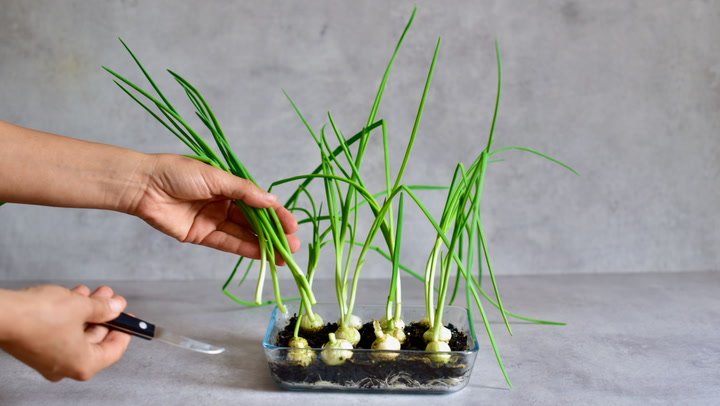
Spring onions thrive in loose, nutrient-rich soil. The goal is soil that holds moisture but drains well.
Best Soil Mix
- 50% garden soil
- 30% compost or well-rotted manure
- 20% cocopeat or sand (for aeration)
Additional Tips
- Mix in vermicompost to provide beneficial microbes.
- Add bone meal or rock phosphate for root strength.
- Ensure the soil is free from large stones or debris.
Step 3: Sowing the Seeds
Spring onions grow quickly from seeds or sets. Here, we focus on seed sowing.
How to Sow
- Fill the PVC pipe with the prepared soil mix.
- Create shallow furrows (~0.5 cm deep) along the pipe.
- Sprinkle seeds evenly in the furrows.
- Cover lightly with soil.
- Water gently to moisten the soil without washing away the seeds.
Seed Spacing
- Keep seeds 1–2 inches apart to allow room for growth.
- You can stagger sowing along the pipe for continuous harvest.
Step 4: Watering and Moisture Management
Spring onions need consistent moisture for germination and growth.
Watering Tips
- Keep soil moist but not soggy.
- Water once a day in summer, less frequently in cooler months.
- Avoid waterlogging by checking that drainage holes are clear.
Mulching
- Add a light layer of straw or dry leaves on top to retain moisture and reduce weed growth.
Step 5: Sunlight Requirements
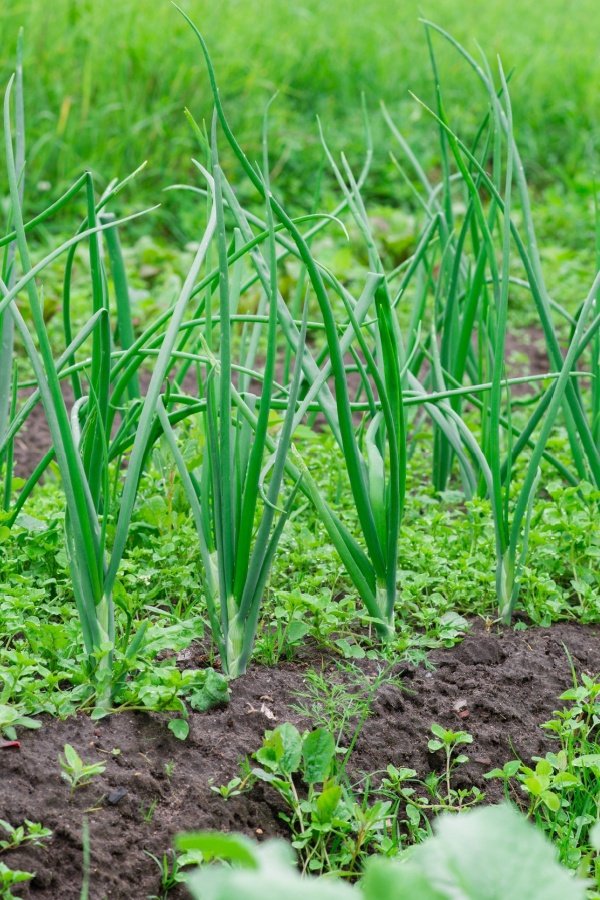
Spring onions grow best with sufficient sunlight.
- Minimum sunlight: 4–6 hours per day
- Ideal sunlight: Morning sun (partial shade in hot afternoons)
- Place PVC pipes where they receive good sunlight but are protected from scorching heat.
Step 6: Fertilization and Growth Boost
Spring onions benefit from regular feeding to grow thick, juicy greens.
Recommended Fertilizers
- Organic Options: Vermicompost tea, compost, cow manure
- Balanced Fertilizer: NPK 10:10:10 at half-strength
- Natural Boosters: Banana peel powder, neem cake, and fish emulsion
Feeding Schedule
- Every 2–3 weeks after germination
- Avoid over-fertilizing as it can burn tender roots
Step 7: Supporting Healthy Growth
Even in PVC pipes, spring onions may need some support.
Tips
- Thin seedlings if too crowded (space remaining plants 1–2 inches apart)
- Remove yellowing or dead leaves promptly
- Check for pests like aphids or thrips and spray neem oil if needed
Common Pests and Disease Management
Container-grown onions are generally less prone to disease, but vigilance is still necessary.
1. Aphids
- Spray neem oil or mild soap solution
2. Thrips
- Introduce ladybugs or use sticky traps
3. Fungal Issues
- Ensure good drainage
- Avoid overhead watering
Step 8: Harvesting Spring Onions
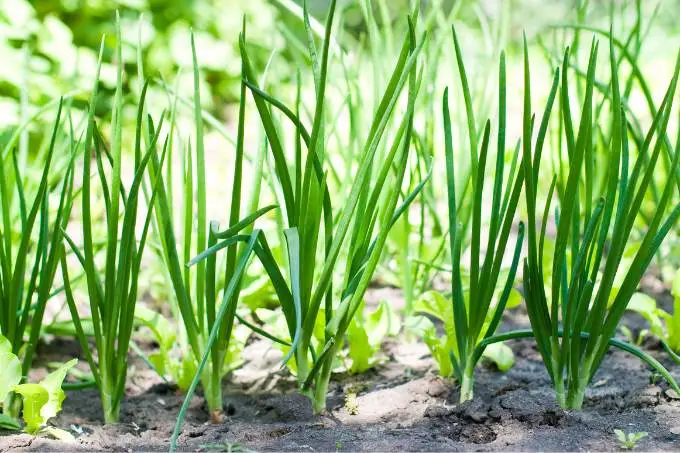
Spring onions are fast-growing, and you can start harvesting 30–45 days after sowing, depending on variety.
How to Harvest
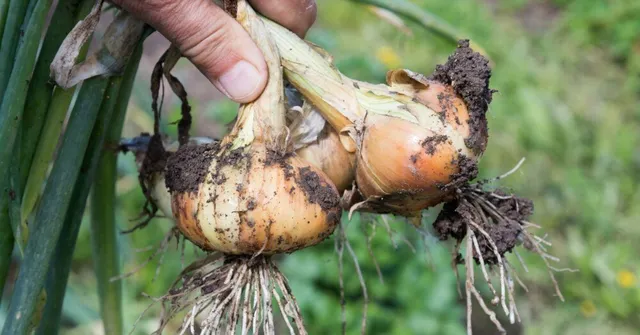
- Gently pull the onion from the pipe or cut above the base using a sharp knife.
- Avoid uprooting the soil unnecessarily—new growth may continue from smaller bulbs left in the pipe.
- Harvest continuously to encourage more shoots.
Tips for Continuous Harvest
- Sow seeds in staggered intervals for a year-round supply
- Use vertical stacking to maximize space and harvest multiple batches
Advantages of PVC Pipe Spring Onion Gardening
- Maximizes Small Spaces: Perfect for balconies, terraces, or urban gardens.
- Reduces Soil-Borne Pests: Elevation reduces contact with ground pests.
- Efficient Water Use: Uniform moisture with minimal waste.
- Portable: Pipes can be moved for optimal sunlight or protection.
- Continuous Harvest: Easy to manage for long-term production.
Bonus Tips for PVC Pipe Success
- Paint the PVC pipes white to reflect heat and prevent overheating in summer.
- Use vertical stacking for multiple layers of growth without occupying floor space.
- Add slow-release organic fertilizers at sowing for longer nutrient supply.
- Keep a small watering can or drip system handy for uniform moisture.
Conclusion
Growing spring onions in PVC pipes is one of the most space-efficient and rewarding gardening methods for home gardeners. With minimal investment, you can enjoy fresh, flavorful onions right from your balcony or terrace. The method is beginner-friendly, requires little maintenance, and ensures a steady supply of green onions for cooking.
From selecting seeds and preparing the soil to planting, watering, fertilizing, and harvesting, each step is designed to maximize growth and flavor. Once you get the hang of it, PVC pipe gardening can be adapted for many other vegetables and herbs, making it a versatile and sustainable choice for urban gardening.
Start your PVC pipe spring onion garden today and enjoy fresh, home-grown produce all year round!