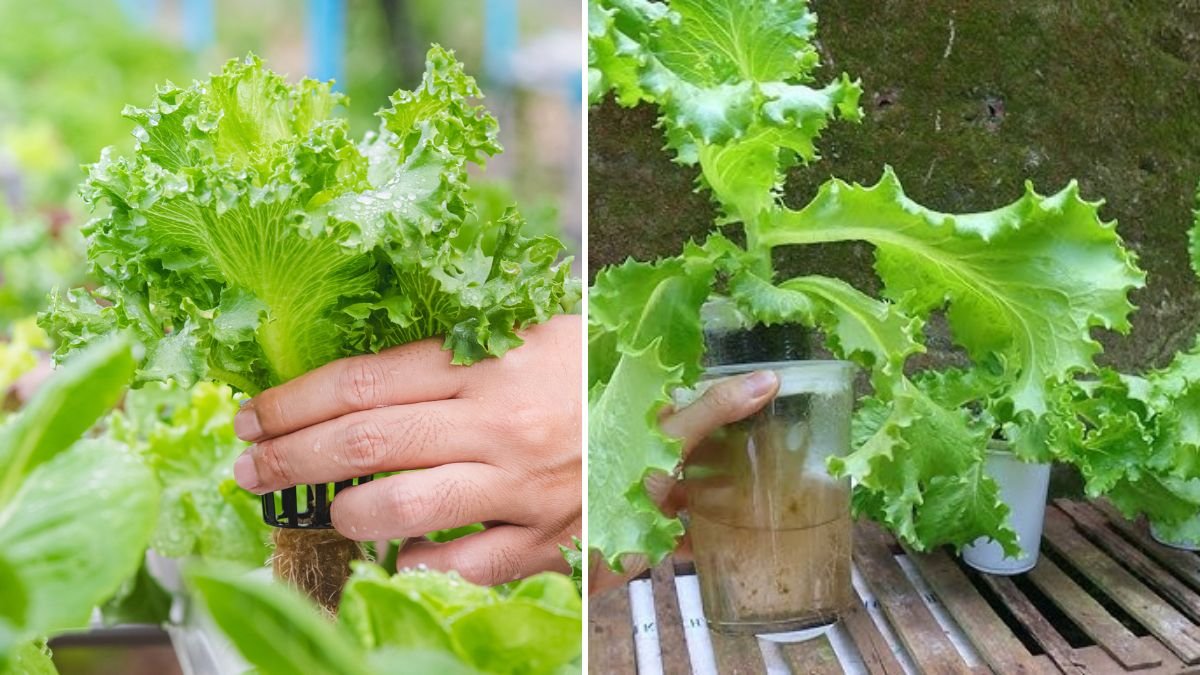
Lettuce is one of the most versatile and rewarding vegetables to grow at home. It grows quickly, thrives in various conditions, and can be harvested repeatedly for fresh salads, sandwiches, and wraps. But what if you have limited space or want a clean, modern gardening setup? Growing lettuce in PVC pipes is a clever, space-saving solution that allows you to maximize vertical space, conserve water, and enjoy a continuous supply of fresh, healthy greens.
In this comprehensive guide, you’ll learn everything you need to know about growing lettuce in PVC pipes, from preparing the pipes and choosing the right lettuce varieties to planting, caring for seedlings, maintaining a nutrient solution, and harvesting. This method is perfect for balcony gardens, urban apartments, or even school and community projects.
Why Grow Lettuce in PVC Pipes?
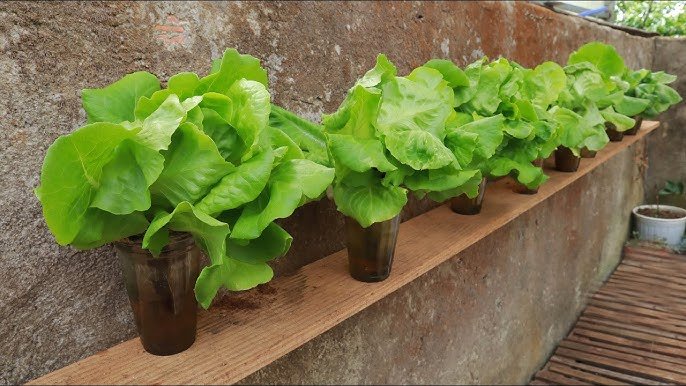
PVC pipe gardening is not just trendy; it has practical advantages:
1. Space Efficiency
- Vertical or horizontal layouts make full use of small spaces.
- Ideal for balconies, terraces, and urban gardening.
2. Water Conservation
- Hydroponic or semi-hydroponic setups reduce water usage by up to 70%.
- Water flows directly to the plant roots without wastage.
3. Clean and Sustainable
- Soil-less growth reduces pests and diseases.
- Minimal mess compared to traditional beds.
4. Continuous Harvest
- With proper care, you can harvest leaves regularly without disturbing other plants.
5. Cost-Effective
- PVC pipes are inexpensive and durable.
- Easy DIY setup with simple tools.
Step 1: Choosing the Right Lettuce Varieties
Not all lettuce grows equally well in a vertical or PVC pipe system. Choose fast-growing, compact, or loose-leaf varieties for the best results:
- Loose-leaf lettuce: Buttercrunch, Red Sails, Oakleaf
- Romaine/Cos: Parris Island, Little Gem
- Baby leaf mixes: Ideal for continuous harvesting
Avoid large head varieties—they need more space and may not thrive in small pipe holes.
Step 2: Preparing the PVC Pipes
Materials Needed
- PVC pipe (diameter: 4–6 inches recommended)
- End caps
- Drill or hole saw
- Net cups or small pots (optional)
- Water reservoir or container
Steps to Prepare the Pipe
- Cut pipe to desired length (3–6 feet is manageable).
- Drill holes along the top side, spaced 6–8 inches apart for each plant.
- Hole size: 1.5–2 inches diameter (to fit net cups).
- Seal one end with a cap.
- Tilt pipe slightly (10–15°) if using a flowing water system.
- Connect the lower end to a water reservoir if using hydroponics.
Optional: Sand edges of holes to prevent cutting delicate roots.
Step 3: Choosing a Growth Medium
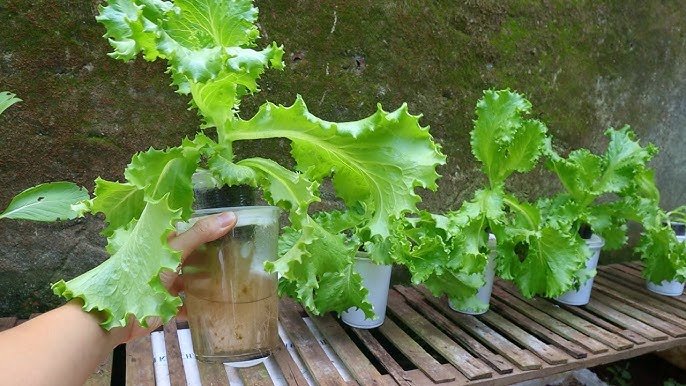
Lettuce can grow in soil, cocopeat, or hydroponic setups. For PVC pipes, the options are:
1. Soil or Cocopeat
- Fill holes with cocopeat or a soil-compost mix.
- Water regularly to keep medium moist.
- Add organic fertilizer for nutrients.
2. Hydroponic Media
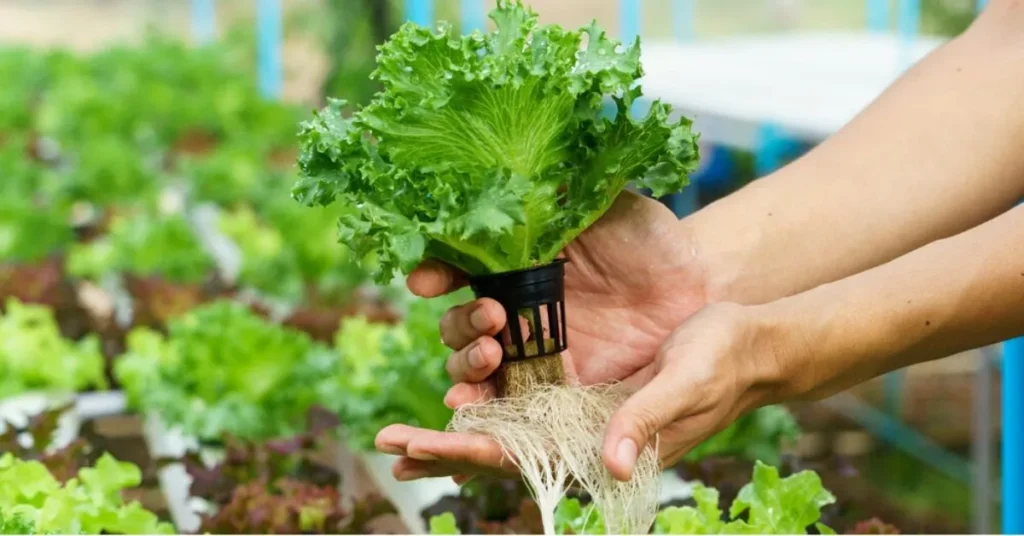
- Use clay pebbles, rockwool, or perlite in net cups.
- Nutrient solution flows from a reservoir.
- Roots remain submerged in nutrient-rich water.
Tip: Hydroponics reduces pest problems and promotes faster growth.
Step 4: Sowing Lettuce Seeds
Direct Sowing in Holes
- Place 2–3 seeds in each hole.
- Cover lightly with growth medium (soil or cocopeat).
- Water gently using a spray bottle.
- Maintain temperature 18–25°C for best germination.
- Germination time: 5–10 days.
Starting Seeds Separately
- Sow in seed trays first.
- Transplant seedlings into PVC pipe when they have 2–3 true leaves.
- This ensures stronger plants and better survival.
Step 5: Watering and Nutrient Management
For Soil-Based Pipes:
- Water when the medium feels dry.
- Avoid waterlogging; ensure pipe has drainage.
- Feed with liquid organic fertilizer every 10–14 days.
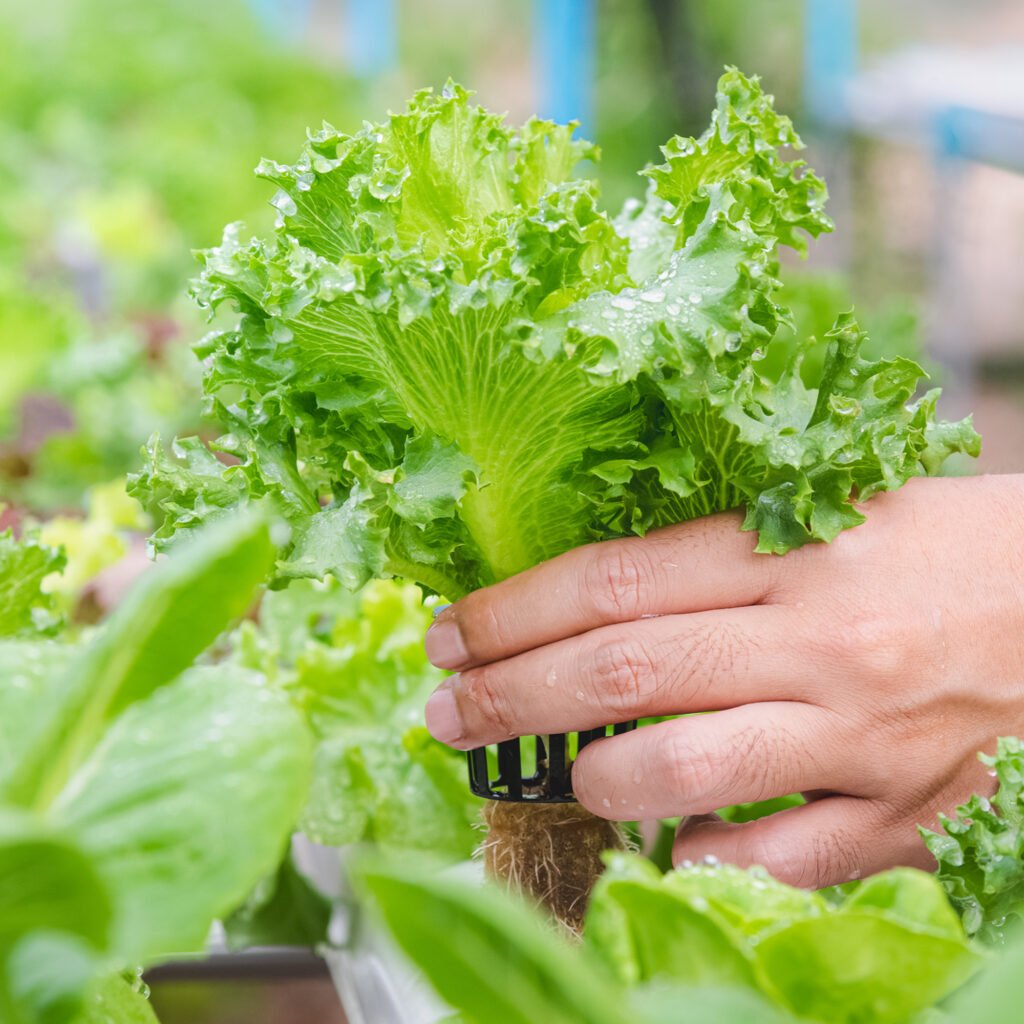
For Hydroponic Pipes:
- Maintain nutrient solution pH 5.8–6.5.
- Ensure steady flow to all roots.
- Check nutrient levels weekly and top up reservoir.
- Keep water temperature around 20–22°C.
Tip: Consistent water and nutrient supply are key for tender, juicy leaves.
Step 6: Providing Sunlight or Artificial Light
Lettuce grows best with 6–8 hours of light daily:
- Outdoors: Full morning sunlight, filtered afternoon if heat is intense.
- Indoors: Use LED grow lights 12–14 hours/day for optimal growth.
Insufficient light leads to leggy seedlings and slow growth.
Step 7: Preventing Pests and Diseases
PVC pipe setups reduce soil pests but are not immune. Watch out for:
Common Pests
- Aphids
- Whiteflies
- Leaf miners
Organic Control Methods
- Neem oil spray
- Garlic-chili water spray
- Handpick insects
Common Diseases
- Root rot (overwatering)
- Powdery mildew (high humidity, poor airflow)
Tip: Ensure proper airflow between pipes and avoid stagnant water.
Step 8: Pruning and Maintenance
- Remove yellowing leaves to prevent disease.
- Thin seedlings if multiple seeds germinated in one hole.
- Rotate crops every 2–3 cycles to avoid nutrient depletion (in soil systems).
- Clean pipes and reservoir between plantings to prevent algae buildup.
Step 9: Harvesting Lettuce
When to Harvest
- Baby leaves: 3–4 weeks after sowing.
- Mature leaves: 5–7 weeks.
- Head lettuce: 6–8 weeks depending on variety.
How to Harvest
- Cut outer leaves first for continuous growth (“cut and come again”).
- Avoid uprooting the entire plant.
- Harvest in the morning for maximum crispness.
Tip: Regular harvesting encourages new leaf growth.
Step 10: Scaling and Continuous Production
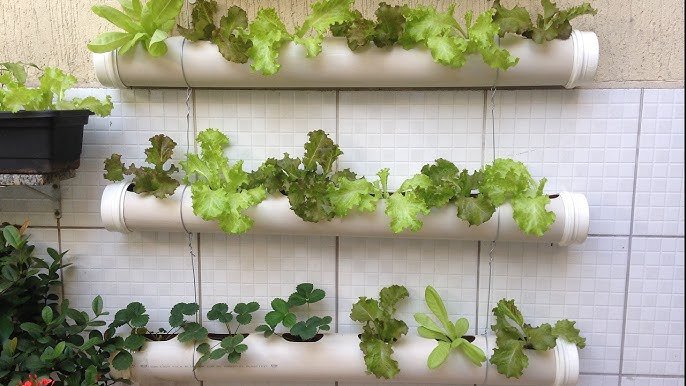
Once your first PVC pipe system is successful:
- Add more pipes vertically or horizontally to increase production.
- Use a nutrient film technique (NFT) for faster hydroponic growth.
- Rotate varieties for color and flavor diversity.
- Consider combining with other leafy greens like spinach, arugula, or kale.
This allows a year-round supply of fresh, homegrown lettuce—even in limited spaces.
Bonus Tips for Success
- Keep pipes clean to avoid algae and bacterial buildup.
- Monitor water flow in hydroponic systems to avoid dry spots.
- Use organic fertilizers for better flavor and safety.
- Protect from strong wind or heavy rain if outdoors.
- Check pH regularly for hydroponic setups (5.8–6.5 optimal).
Final Thoughts: A Modern, Space-Saving Garden
Growing lettuce in PVC pipes is not just a creative gardening idea—it’s a smart solution for modern urban life. With minimal space, water, and maintenance, you can enjoy fresh, nutrient-rich lettuce all year long. This system also opens doors for growing multiple crops vertically, conserving water, and embracing a cleaner, more sustainable gardening method.
Whether you are a beginner, urban gardener, or someone experimenting with vertical farming, PVC pipe lettuce cultivation is fun, efficient, and highly rewarding. From sowing seeds to cutting your first crisp leaves, this method transforms your balcony, terrace, or small garden into a productive, green oasis.