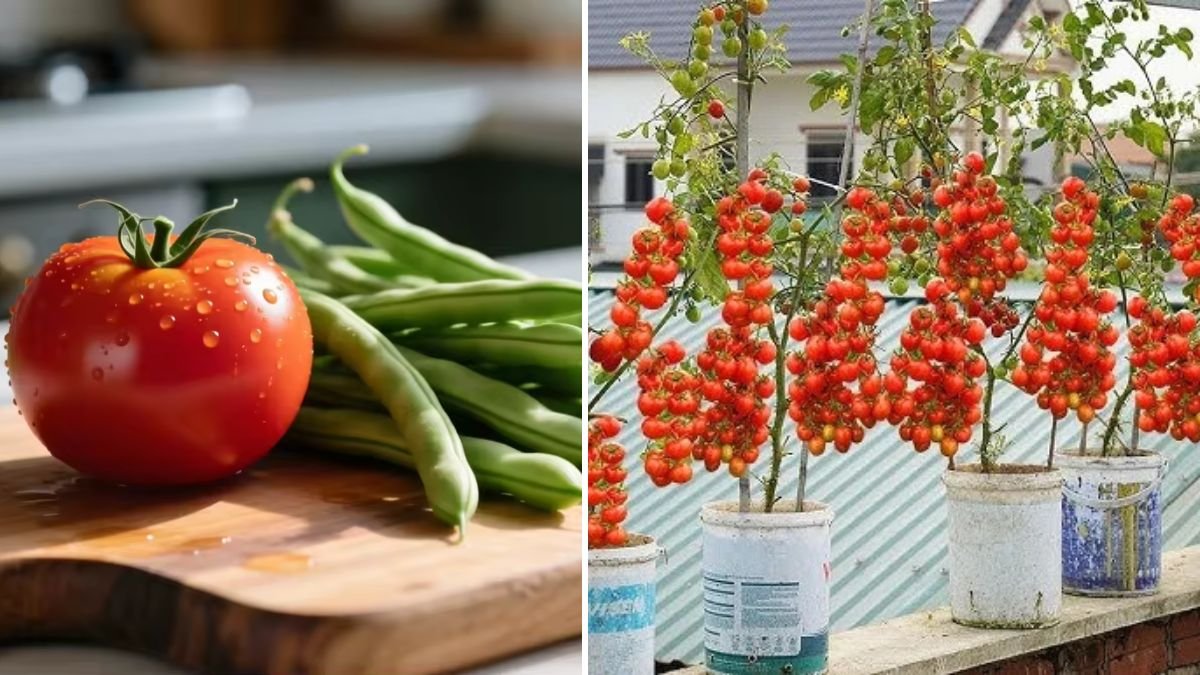
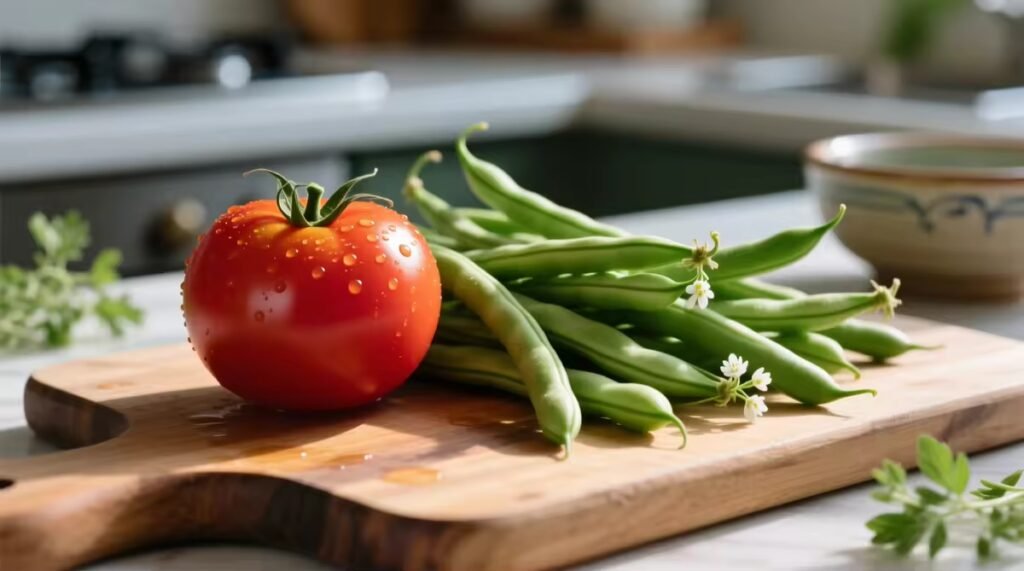
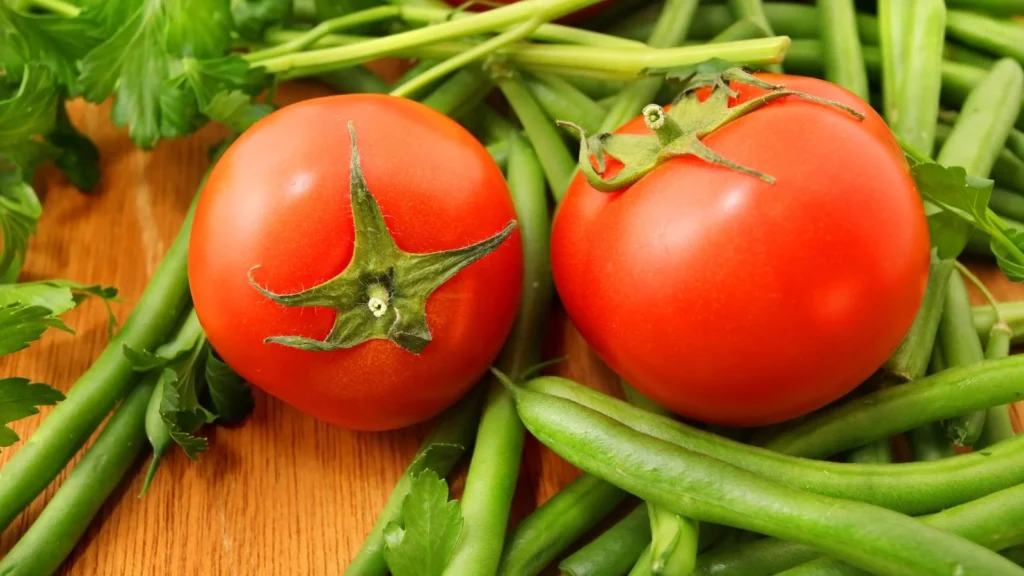
Companion planting is one of the most powerful techniques in gardening. When you pair the right crops together, they grow faster, stay healthier, and produce more food—even in small spaces. One of the most effective and surprisingly successful combinations is tomatoes and long beans grown together. This dynamic duo thrives in harmony, supporting each other both physically and nutritionally.
If you are looking for a smart way to double your yields, save garden space, and enjoy two delicious crops from the same container or bed, this guide reveals the secret to growing tomatoes and long beans together like a pro.
Let’s dive into the complete method—from container size and soil mix to plant care, pest control, and harvesting.
Why Grow Tomatoes and Long Beans Together?
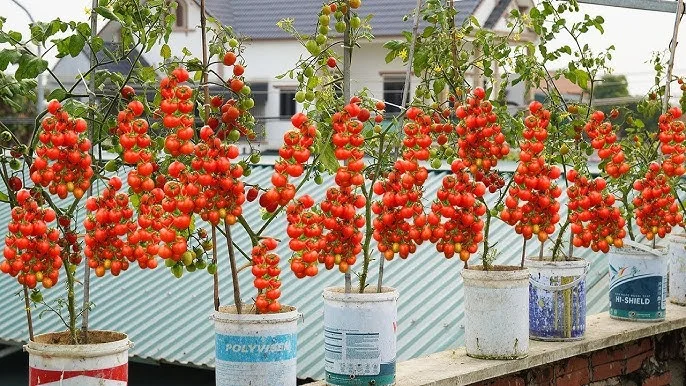
You might wonder: Do these two very different vegetables really grow well together?
Absolutely—and here’s why:
1. Long Beans Fix Nitrogen for Tomatoes
Long beans belong to the legume family. These plants have the magical ability to fix atmospheric nitrogen and release it into the soil.
Tomatoes, being heavy feeders, love nitrogen during early growth.
✔ Beans enrich the soil
✔ Tomatoes get steady nutrition
✔ Both plants grow healthier
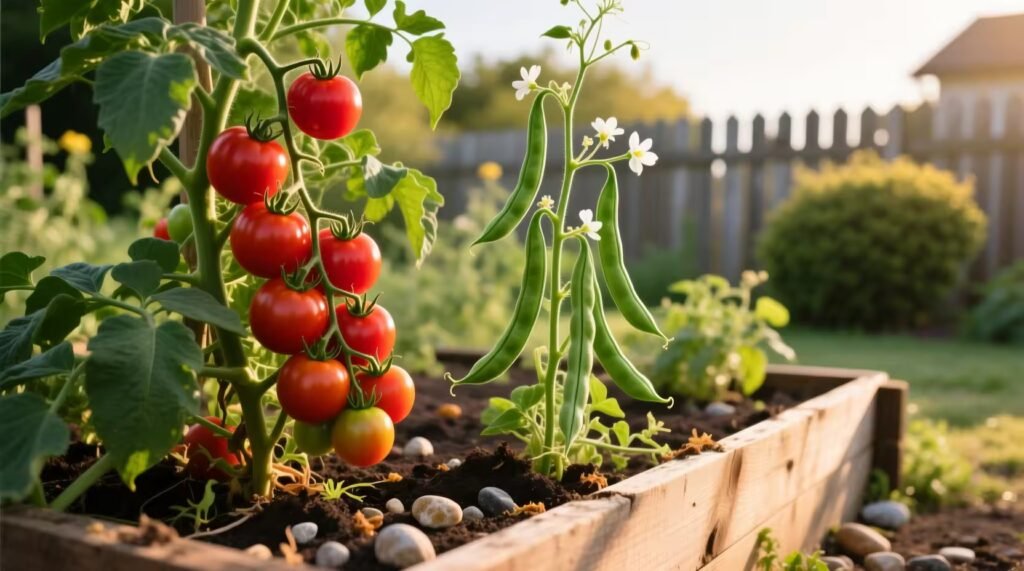
2. They Use Space Differently
Tomatoes grow bushy or tall, depending on the variety. Long beans, however, climb vertically with minimal footprint.
✔ Tomatoes grow outward
✔ Long beans grow upward
✔ No competition for ground space
This makes them perfect partners for small balconies, containers, and raised beds.
3. Natural Shade and Microclimate
As long beans climb higher, their vines create gentle filtered shade. This helps:
- Protect tomatoes from harsh midday sun
- Reduce soil evaporation
- Maintain cooler root zones
Tomatoes reward this cooperation with productive growth.
4. Better Pest Control
Long beans can repel certain pests that commonly attack tomatoes, such as:
- Aphids
- Whiteflies
- Spider mites
At the same time, tomato aroma helps keep away bean beetles.
This natural partnership reduces chemical pesticide use and enhances garden health.
Choosing the Best Tomato & Long Bean Varieties
To grow both crops in harmony, select varieties that suit container gardening or limited space.
Best Tomato Varieties:
- Cherry tomatoes (Sweet 100, Sungold)
- Roma tomatoes
- Determinate varieties (Patio, Tiny Tim)
- Indeterminate varieties (if you have tall supports)
Best Long Bean Varieties:
- Red Yardlong
- Green Yardlong
- Asparagus beans
- Thai long beans
Choose any variety with strong climbing ability.
Container Selection & Soil Mix
If you’re growing these two crops together in a container, size matters.
Container Requirements
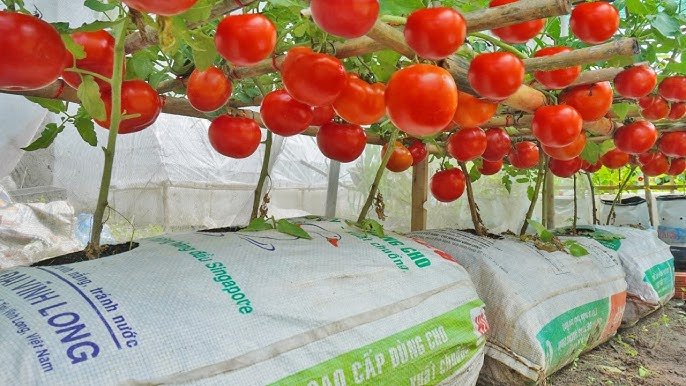
✔ Minimum size: 40–60 liters (10–15 gallons)
✔ Depth: 14–16 inches
✔ Width: 18–20 inches
✔ Ensure 6–10 drainage holes
You can also grow them together in:
- Grow bags
- Big plastic tubs
- Raised beds
The Perfect Soil Mix
Both plants thrive in rich, airy, well-draining soil.
Mix this ratio:
40% garden soil
30% compost (cow dung, vermicompost, or composted manure)
20% coco peat
10% sand or perlite
Additives:
- 1 handful neem cake powder (prevents pests)
- 1 handful bone meal (supports flowering and fruiting)
- A little wood ash for potassium
This mix ensures fast root growth and heavier fruit sets.
Planting Tomatoes & Long Beans Together
Timing, spacing, and position are key to success.
Step-by-Step Planting Method
1. Plant The Tomato First
- Plant 1 healthy tomato seedling at the center or slightly off-center of the container.
- Bury the stem deeper to promote root development.
- Install a tomato cage or bamboo support immediately.
Let the tomato settle for 7 days to build strong roots.
2. Add Long Bean Seeds
- After the tomato stabilizes, plant 3–4 long bean seeds around the edges of the container.
- Space them evenly.
- Plant at a depth of 1 inch.
They will germinate in 5–7 days and start climbing quickly.
3. Install Vertical Supports
Long beans grow aggressively, so install:
✔ Tall bamboo poles
✔ A strong trellis
✔ Vertical nets
✔ Balcony railing support
Guide the beans upward to avoid shading the tomato excessively.
Watering Schedule
Both plants need consistent moisture—but dislike waterlogged soil.
Watering Rules:
- Water every day during summer
- Water alternate days during winter
- Keep soil moist but not soggy
- Avoid overhead watering to prevent tomato fungal diseases
Mulch helps retain moisture and suppress weeds.
Use:
- Dry leaves
- Straw
- Coco husk
- Rice hulls
Sunlight Needs
Both tomatoes and long beans require strong sunlight.
✔ 6–8 hours of direct sunlight is ideal.
If growing indoors or on a shaded balcony, use a 40–60W grow light.
Fertilizing for Maximum Yield
Both plants are moderate to heavy feeders. Follow this feeding schedule:
Week 1–2:
- Tomato seedling establishes
- Beans germinate
- No fertilizer needed
Week 3–4 (Growth Stage):
Add:
- 2 handfuls vermicompost
- 1 teaspoon neem cake
- Spray seaweed solution once every 10 days
Week 5–7 (Flowering Stage):
Add:
- 1 handful bone meal
- 1–2 handfuls cow dung compost
- Banana peel fertilizer (potassium)
Week 8+ (Fruiting Stage):
Add:
- Wood ash for sweetness
- Liquid compost tea weekly
- Tomato-specific organic fertilizer if available
Avoid too much nitrogen—otherwise, tomato plants become leafy with fewer fruits.
Pest & Disease Management
Growing two crops together helps reduce pest pressure naturally, but still monitor regularly.
Common Tomato Pests:
- Aphids
- Whiteflies
- Caterpillars
- Early blight
Natural Solutions:
✔ Neem spray every 10 days
✔ Soap solution (3–4 ml per liter)
✔ Marigold or basil nearby to repel insects
Common Long Bean Pests:
- Leaf miners
- Bean beetles
- Caterpillars
Solutions:
✔ Garlic-chili spray
✔ Keep foliage dry
✔ Provide good airflow
Pruning & Training for High Production
For Tomatoes:
- Remove lower leaves touching the soil
- Prune suckers (optional for cherry tomatoes)
- Train the plant upward using ties or clips
For Long Beans:
- Direct vines to climb supports
- Remove weak side shoots
- Maintain good spacing to avoid shading the tomato
Harvesting Your Dual Crop
Harvesting Tomatoes
Ready in 60–90 days.
Pick when:
- Fruit turns red, orange, or yellow
- It feels slightly soft
- Glossy color appears
Harvest regularly to encourage continuous production.
Harvesting Long Beans
Ready in 45–60 days after germination.
Pick when:
- Beans are 12–18 inches long
- Still tender and flexible
- Seeds inside are small
Picking regularly encourages more flowers and beans.
Final Thoughts: A Winning Combination for Every Gardener
Tomatoes and long beans grow together beautifully because they complement each other in every way:
✔ Beans feed tomatoes
✔ Tomatoes repel pests
✔ Beans climb vertically
✔ Tomatoes grow bushy
✔ Both love sunlight
✔ Both thrive in containers
By following this guide, even small-space gardeners can harvest buckets of tomatoes and bundles of long beans from a single container or garden bed.