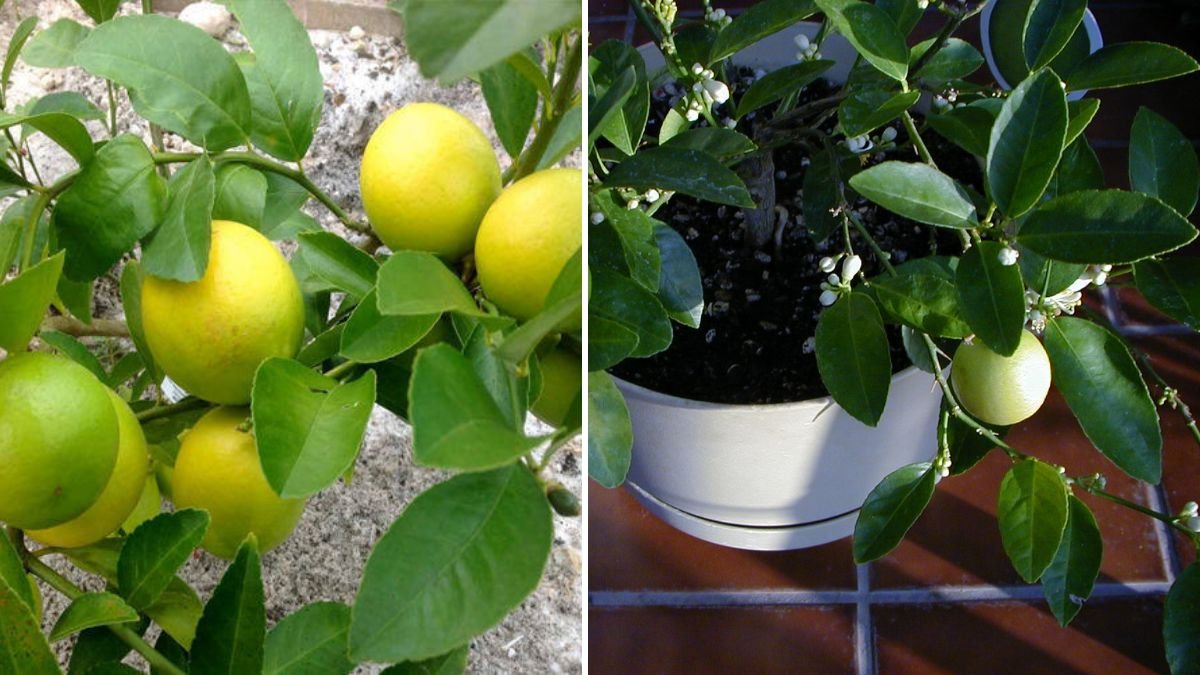
Lemon trees are a symbol of freshness, vitality, and homegrown goodness. The tangy, aromatic fruits not only enhance culinary delights but also bring a refreshing vibe to your garden. While many gardeners struggle with slow-growing lemon trees, propagating a lemon tree in just one month is possible with the right techniques, care, and patience.
In this detailed guide, I’ll share my personal experience of propagating a lemon tree in one month, including the methods, materials, and expert tips to achieve rapid growth. Whether you’re a beginner or a seasoned gardener, this guide will help you grow your own lemon tree faster than ever.
Why Propagation is Better Than Seeds
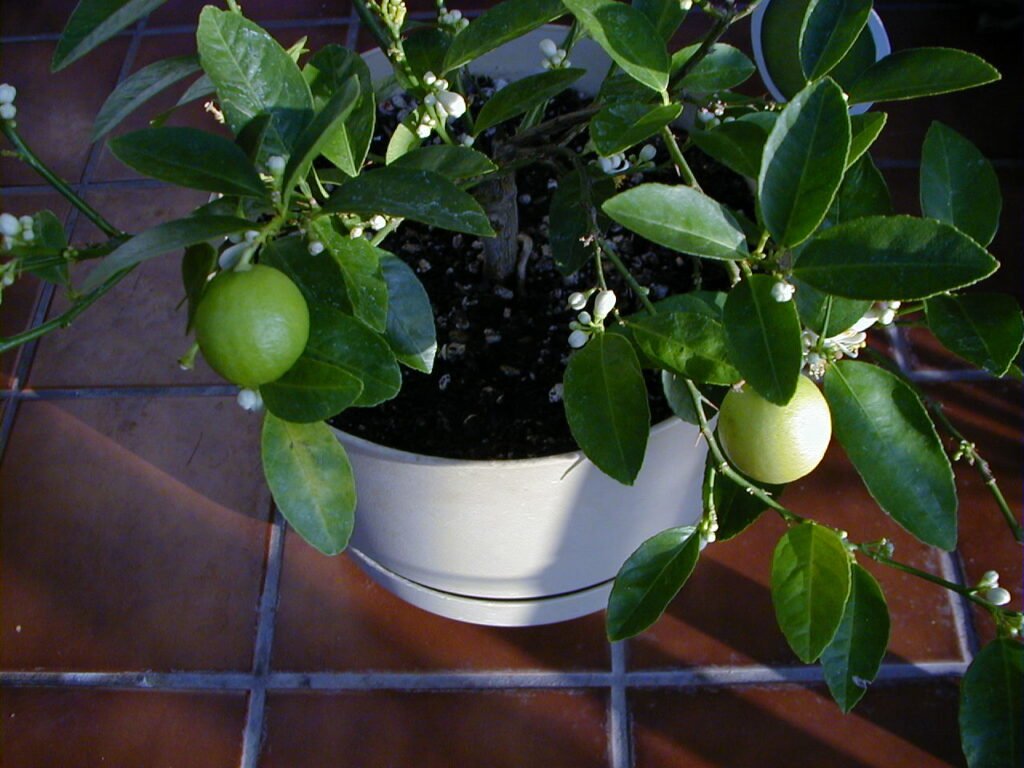
Lemon trees can be grown from seeds, cuttings, or grafting, but propagation through stem cuttings has several advantages:
- Faster Growth: Seed-grown lemon trees may take 5–7 years to bear fruit, whereas cuttings can produce fruit in 2–3 years.
- True-to-Type Plants: Propagating from a mature tree ensures that the new tree has the same quality fruit.
- Cost-Effective: You don’t need to buy new saplings—one tree can produce multiple cuttings.
- Fun and Rewarding: Watching life sprout from a small cutting is an incredibly satisfying experience.
The Secret to 1-Month Propagation
The trick to propagating a lemon tree quickly lies in choosing the right cutting, using rooting hormone, and providing optimal growing conditions. Here’s how I did it:
Step 1: Selecting the Cutting
- Choose a healthy, semi-hardwood branch from a mature lemon tree.
- The branch should be 6–8 inches long with 3–4 leaf nodes.
- Avoid soft new growth or very woody old stems.
Tip: A cutting from a disease-free, fruiting branch increases success rates.
Step 2: Preparing the Cutting
- Trim the cutting at a 45-degree angle just below a leaf node.
- Remove the lower leaves, leaving 2–3 leaves at the top.
- Remove any flowers or baby fruits to direct the energy to root formation.
- Optional: Dip the base in rooting hormone or aloe vera gel. This accelerates root growth and prevents fungal infections.
Step 3: Preparing the Rooting Medium

Lemon cuttings need a well-draining, airy medium for fast rooting. Recommended mixtures include:
- 50% cocopeat + 50% perlite
- 40% garden soil + 30% sand + 30% compost
- 50% sand + 50% cocopeat
Pro Tip: Lightly moisten the medium before planting the cutting to ensure it doesn’t dry out.
Step 4: Planting the Cutting
- Make a small hole in the medium and insert the cutting 2–3 inches deep.
- Press the soil gently around the base to remove air pockets.
- Ensure the cutting stands upright and the leaves remain above the soil.
Step 5: Creating Optimal Conditions
The key to rapid propagation in one month is creating a high-humidity, warm environment:
- Cover the pot with a clear plastic bag or mini greenhouse dome to maintain humidity.
- Place the cutting in bright, indirect sunlight—avoid direct sun which can scorch the leaves.
- Maintain a temperature between 22–28°C (72–82°F).
Step 6: Watering for Success

Proper watering is critical for fast rooting:
- Keep the soil consistently moist, but never soggy.
- Mist the cutting every 2–3 days to maintain humidity.
- Avoid waterlogging, which causes root rot.
Pro Tip: Using a small spray bottle helps maintain humidity around the leaves and prevents the cutting from drying out.
Step 7: Checking for Root Development
Roots typically start forming in 3–4 weeks with the right conditions:
- Gently tug the cutting—if it resists, roots have developed.
- If it slides easily, continue providing humidity and warmth.
- Gradually remove the plastic cover over a week to acclimate the cutting to normal air conditions.
By maintaining consistent care, I was able to see visible root growth within just 1 month, which is faster than typical lemon propagation.
Transplanting the Rooted Cutting
After one month, your cutting will have a strong root system ready for transplanting:
- Choose a larger pot or garden space with fertile, well-draining soil.
- Mix compost or organic manure into the soil to enrich nutrients.
- Plant the rooted cutting carefully, cover the roots, and water thoroughly.
- Apply 2–3 inches of mulch around the base to retain moisture and reduce weeds.
Tip: Lemon trees grow best in slightly acidic to neutral soil (pH 5.5–7).
Care Tips for Rapid Growth

To ensure your lemon tree continues growing fast and becomes strong:
1. Sunlight
- Provide at least 6–8 hours of direct sunlight daily.
- Rotate the pot for even growth.
2. Watering
- Young plants: Water 2–3 times a week depending on soil moisture.
- Mature plants: Deep watering once a week is sufficient.
3. Fertilization
- Use nitrogen-rich fertilizer for leafy growth.
- Apply phosphorus and potassium for root and fruit development.
- Organic options: compost, vermicompost, or cow manure.
- Fertilize every 6–8 weeks for young plants and 3–4 times a year for mature trees.
4. Pruning
- Remove weak or damaged branches.
- Pinch growing tips to encourage bushy growth.
- Maintain a proper shape for better sunlight penetration.
5. Pest and Disease Management
- Common pests: aphids, scale insects, fruit flies
- Common diseases: root rot, anthracnose
- Preventive measures: neem oil, good drainage, and regular inspection
How Long Until You Can Harvest Fruit?
By using cuttings and optimal care, your lemon tree can start flowering and fruiting in 2–3 years, compared to 5–7 years from seed-grown trees. Early fruiting is a major benefit of this method.
Harvesting Tips:
- Lemons are ready when slightly yellow and fragrant.
- Pick gently to avoid damaging the tree.
- Regular harvesting encourages more flowering and fruiting.
Bonus Tips for Faster Lemon Tree Growth

- Choose healthy, mature parent trees for cuttings.
- Use rooting hormones or natural alternatives like aloe vera.
- Maintain high humidity and warm temperatures during rooting.
- Provide consistent sunlight and regular watering.
- Fertilize regularly with balanced or organic fertilizers.
- Prune strategically to encourage bushier growth.
- Keep an eye out for pests and treat early.
By combining these techniques, you can propagate multiple lemon trees from one mother plant within months.
Conclusion
Propagating a lemon tree in just 1 month is achievable with the right methods, care, and attention. The secret lies in using semi-hardwood cuttings, applying rooting hormone, and providing optimal humidity, temperature, and nutrients.
Whether you want a homegrown supply of fresh lemons, gift trees to friends, or start a small backyard orchard, this approach saves time, ensures true-to-type plants, and accelerates fruit production.
Start today, follow these expert steps, and experience the joy of watching your lemon tree grow from a small cutting to a thriving fruit-bearing plant in record time!