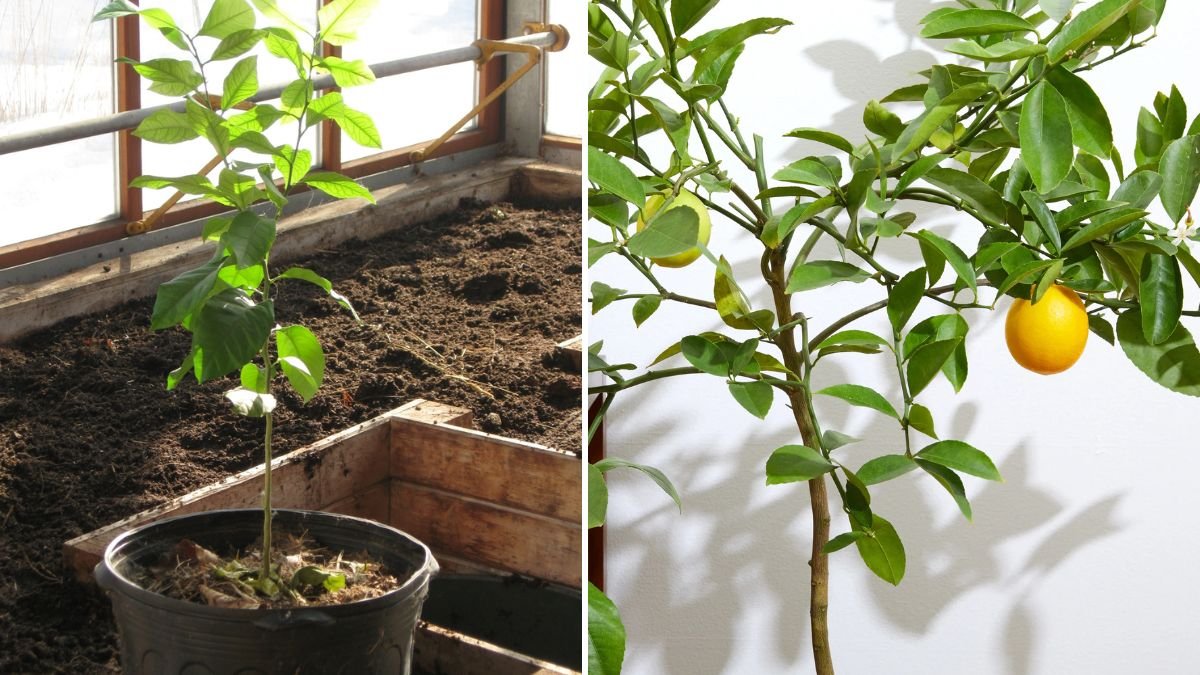
Lemon trees are beloved for their vibrant fruits, fragrant leaves, and ability to brighten any garden or balcony. While growing lemon trees from seeds is possible, it takes years before they bear fruit and often produces unpredictable results. Fortunately, there’s a simple trick to rooting lemon trees from cuttings that guarantees faster growth, stronger plants, and fruit that is true to the parent tree.
In this guide, we’ll reveal step-by-step instructions for rooting lemon cuttings, expert tips, and care strategies to ensure your lemon tree thrives from the very beginning.
Why Rooting Lemon Trees from Cuttings Works Best

Rooting lemon trees from cuttings is faster and more reliable than growing from seeds. Here’s why:
- Faster Fruiting: Cuttings grow into mature, fruit-bearing trees in 2–3 years instead of 5–7 years from seeds.
- True-to-Type Fruit: New plants produce exactly the same lemons as the parent tree.
- Stronger Plants: Cuttings develop strong roots and adapt well to soil conditions.
- Cost-Effective: Multiply your favorite lemon trees without buying saplings.
Choosing the Right Cutting
The first step is selecting a healthy and suitable branch:
- Type: Semi-hardwood branch (neither too soft nor too woody)
- Length: 6–8 inches long with 2–4 nodes
- Leaves: Keep 2–3 healthy leaves at the top, remove lower leaves
- Health: Free from pests, disease, or damage
Pro Tip: Early morning is the best time to take cuttings, as the plant is hydrated and fresh.
Preparing the Cutting for Rooting
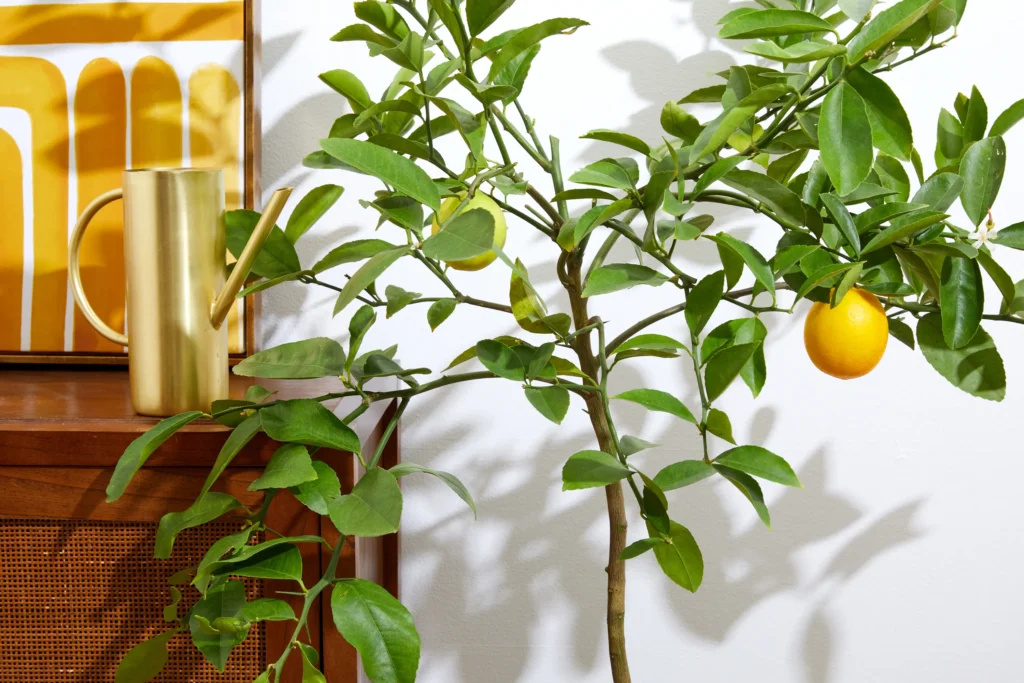
Proper preparation improves your success rate:
- Use clean, sterilized scissors or pruning shears for a neat cut.
- Trim the base at a 45-degree angle just below a leaf node to maximize root formation.
- Remove any flowers or buds—energy should focus on root development.
- Optional: Dip the base in rooting hormone or aloe vera gel to encourage faster rooting.
Choosing the Right Rooting Medium
A well-draining medium ensures your cutting grows strong roots quickly:
- Cocopeat + perlite (50:50)
- Garden soil + sand + compost (40:30:30)
- Pure sand or perlite for faster rooting
Trick: Lightly moisten the medium before planting to prevent drying out the cutting.
Planting the Cutting
- Make a small hole using a pencil or stick.
- Insert the cutting 2–3 inches deep into the medium.
- Firm the soil gently around the base.
- Ensure the leaves remain above the soil surface.
Creating Optimal Conditions for Rooting
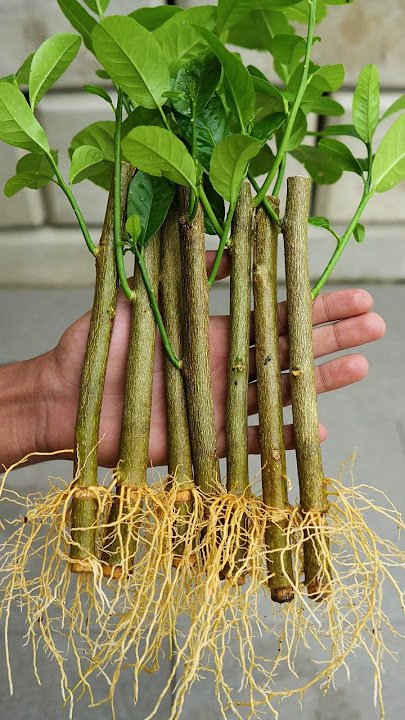
The success of rooting depends on providing the right environment:
- Humidity: Cover the cutting with a clear plastic bag or mini greenhouse dome.
- Light: Bright, indirect sunlight is ideal; avoid harsh, direct sun.
- Temperature: Keep between 22–28°C (72–82°F) for tropical plants.
- Airflow: Open the cover occasionally to prevent fungal growth.
Pro Tip: Consistency is key—avoid sudden changes in temperature or light.
Watering and Care
- Keep the soil moist but not waterlogged.
- Mist the leaves every 2–3 days to maintain humidity.
- Overwatering can cause root rot; under-watering slows rooting.
Trick: Use a spray bottle for gentle watering, avoiding disturbance of the cutting.
Root Development and Monitoring
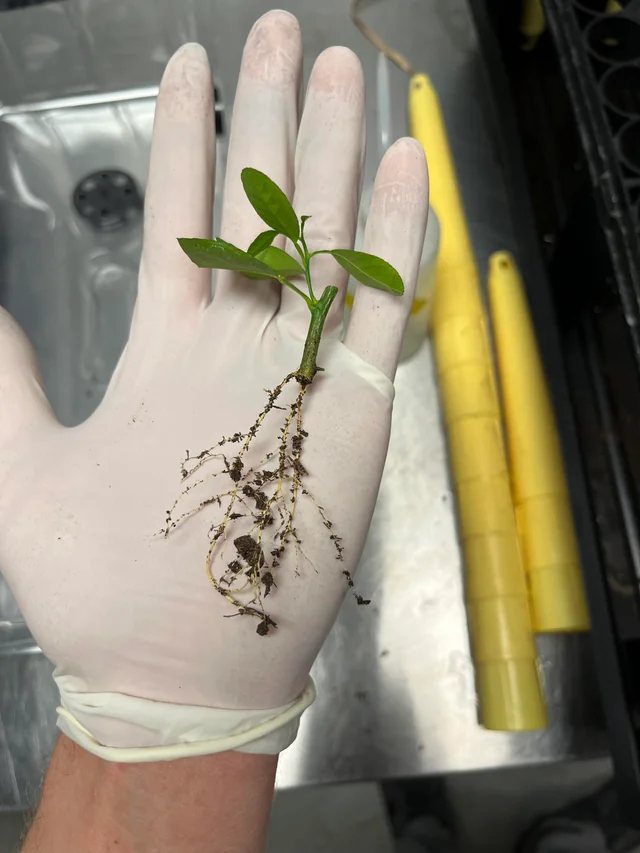
Roots typically start forming within 3–4 weeks:
- Gently tug the cutting—resistance indicates root formation.
- Look for fresh, vibrant leaves as a sign of growth.
- Gradually remove the plastic cover after roots establish to acclimate the cutting.
Success Tip: Avoid disturbing the cutting during the first few weeks to allow stable root development.
Transplanting Rooted Lemon Cuttings
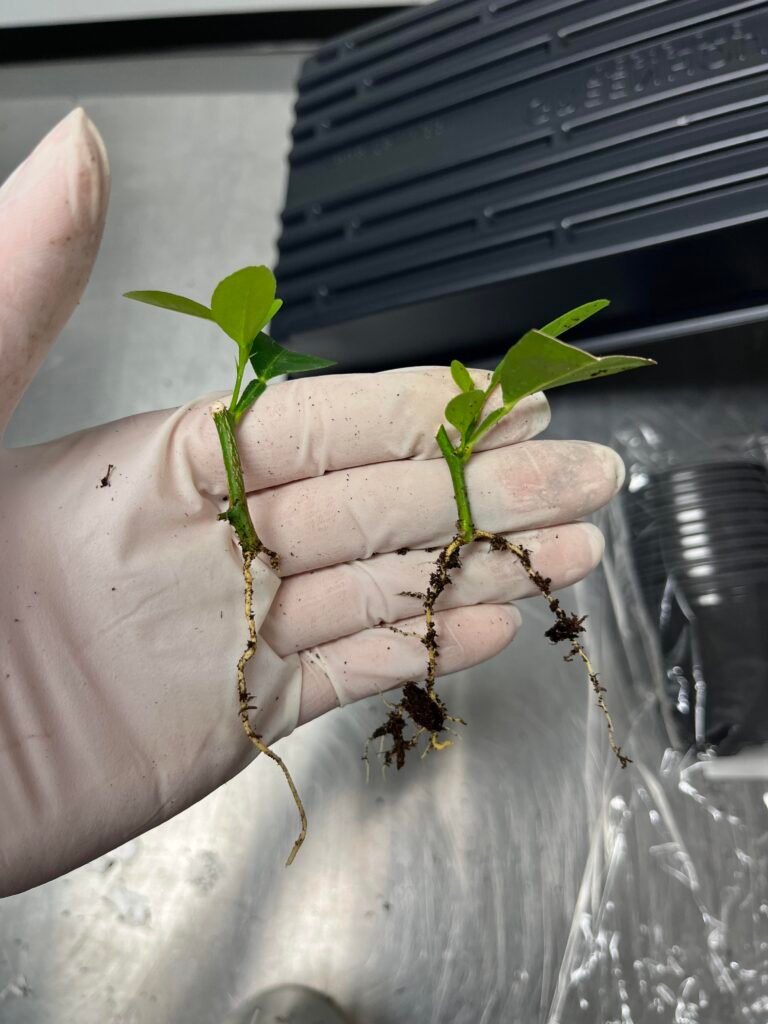
Once roots are strong and well-established:
- Choose a larger pot or garden spot with well-draining soil.
- Mix compost or well-rotted manure to provide nutrients.
- Carefully transplant, covering the roots completely.
- Water thoroughly and mulch around the base to retain moisture.
- Keep in partial shade for the first week to reduce transplant shock.
Fertilization Tricks for Healthy Growth
Nutrients are essential for young lemon trees:
- Young plants: Nitrogen-rich fertilizer for leafy growth.
- Mature plants: Balanced NPK fertilizer for flowers and fruits.
- Organic options: Vermicompost, cow manure, or compost tea applied every 6–8 weeks.
- Apply fertilizer around the drip line, not directly at the trunk, to encourage strong root growth.
Pruning for Health and Fruit Production
Proper pruning strengthens the tree and promotes fruiting:
- Remove weak, damaged, or dead branches.
- Pinch tips of growing shoots to encourage lateral branching.
- Shape the tree to allow sunlight and airflow into the canopy.
- Avoid heavy pruning during flowering, which can reduce fruit formation.
Pest and Disease Management
Even rooted cuttings require protection:
Common Pests
- Aphids, mealybugs, and scale insects
- Treat with neem oil or mild insecticidal soap
Common Diseases
- Root rot from overwatering
- Leaf spot and anthracnose
- Preventive care: proper watering, pruning, and air circulation
Trick: Regularly inspect leaves, branches, and soil to catch problems early.
Tips for Rapid Growth
- Use healthy parent trees for cuttings.
- Apply rooting hormones for higher success.
- Maintain consistent warmth, humidity, and light.
- Fertilize lightly after roots form to boost growth.
- Prune strategically to encourage bushy, strong shoots.
- Monitor for pests and treat promptly.
- Be patient—rooting takes time, but consistent care accelerates growth.
Advantages of Rooting Lemon Cuttings
- Faster fruiting: Enjoy lemons in 2–3 years.
- True-to-type trees: Same fruit quality as the parent tree.
- Stronger plants: Rooted cuttings develop resilient roots and stems.
- Cost-effective: Multiply trees without buying new saplings.
- Simple for beginners: Requires minimal tools and space.
Conclusion
Rooting lemon trees from cuttings is a simple and effective way to grow healthy, fruit-bearing plants faster than seeds. By following this method—choosing the right cutting, preparing the soil, maintaining humidity, watering properly, fertilizing, and pruning—you can enjoy lush lemon trees with juicy fruits in just a few years.
Start today using this simple trick, and watch your garden flourish with vibrant, healthy lemon trees that will reward you with abundant fruits for years to come.