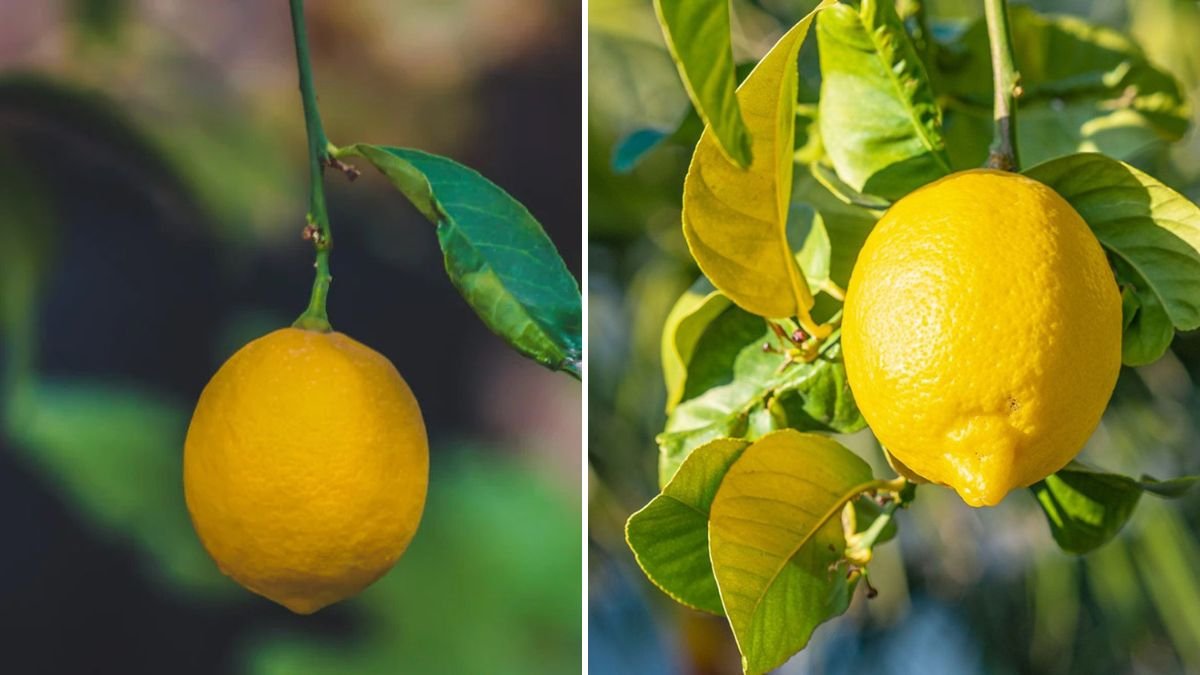
Lemon trees are not only a source of fresh, tangy fruits but also add vibrant greenery to your garden or home. Growing healthy lemon trees can be easy if you follow the right techniques and understand their needs. With the right care, your lemon tree will flourish with lush leaves, strong branches, and abundant fruits.
In this guide, we’ll share simple tricks to grow healthy lemon trees, covering soil preparation, watering, fertilization, pest management, pruning, and propagation. Whether you are a beginner or an experienced gardener, these tips will help your lemon tree thrive.
Why Healthy Lemon Trees Matter

A healthy lemon tree is the foundation for:
- Abundant Fruit Production: A strong tree produces more lemons and larger, juicier fruits.
- Disease Resistance: Healthy trees resist pests and fungal infections naturally.
- Vibrant Growth: Proper care ensures lush foliage and robust branches.
- Longevity: Healthy lemon trees can produce fruit for decades if nurtured properly.
Choose the Right Variety
Selecting the right lemon variety is the first step to growing a healthy tree:
- Eureka: Produces large, juicy lemons; thrives in warm climates.
- Lisbon: Highly productive and hardy; ideal for gardens and containers.
- Meyer Lemon: Smaller, sweeter fruits; perfect for indoor or balcony gardening.
Tip: Choose a variety that suits your climate, space, and purpose—indoor or outdoor gardening.
Planting Lemon Trees Correctly
1. Soil Preparation
Lemon trees thrive in well-draining, fertile soil:
- Ideal pH: 5.5–6.5 (slightly acidic)
- Mix garden soil with compost, cocopeat, and sand for better drainage.
- Avoid heavy clay soil that retains water and causes root rot.
2. Proper Location
- Full sunlight: 6–8 hours of direct sunlight per day.
- Avoid low-lying areas prone to waterlogging.
- For container-grown trees, place in a sunny balcony or patio.
3. Planting Depth
- Plant the lemon tree at the same depth as it grew in the nursery.
- Avoid burying the trunk; roots should be fully covered, but the crown exposed.
Watering Tricks for Healthy Growth
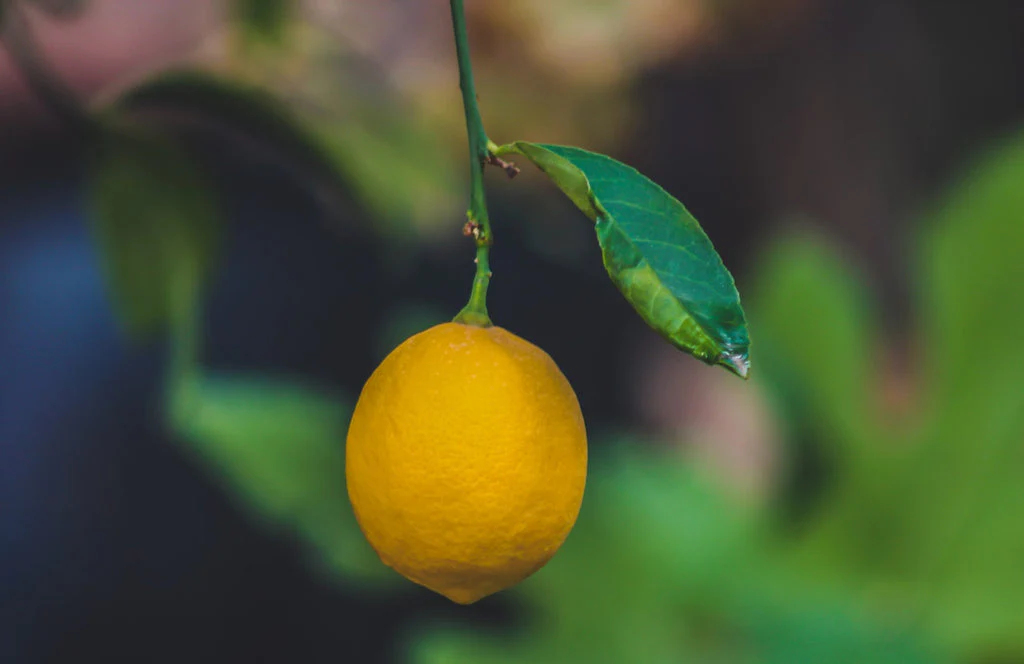
Watering is one of the most important factors in lemon tree health:
- Young trees: Water 2–3 times per week depending on weather and soil moisture.
- Mature trees: Deep watering once a week is sufficient.
- Tips:
- Avoid overwatering to prevent root rot.
- Mulch around the base to retain moisture and reduce weeds.
- For potted lemon trees, ensure excellent drainage to avoid waterlogging.
Fertilization for Lush Leaves and Juicy Fruits
Lemon trees need nutrients for healthy foliage and fruit development:
- Nitrogen: Promotes leafy growth.
- Phosphorus: Strengthens roots and flower formation.
- Potassium: Supports fruit development and disease resistance.
Tricks for fertilization:
- Use balanced fertilizers (NPK 10-10-10 or 20-20-20) every 6–8 weeks for young trees.
- Mature trees benefit from organic options like vermicompost, cow manure, or compost tea.
- Apply fertilizer around the drip line of the tree, not near the trunk.
Pruning Tricks for Strong Trees
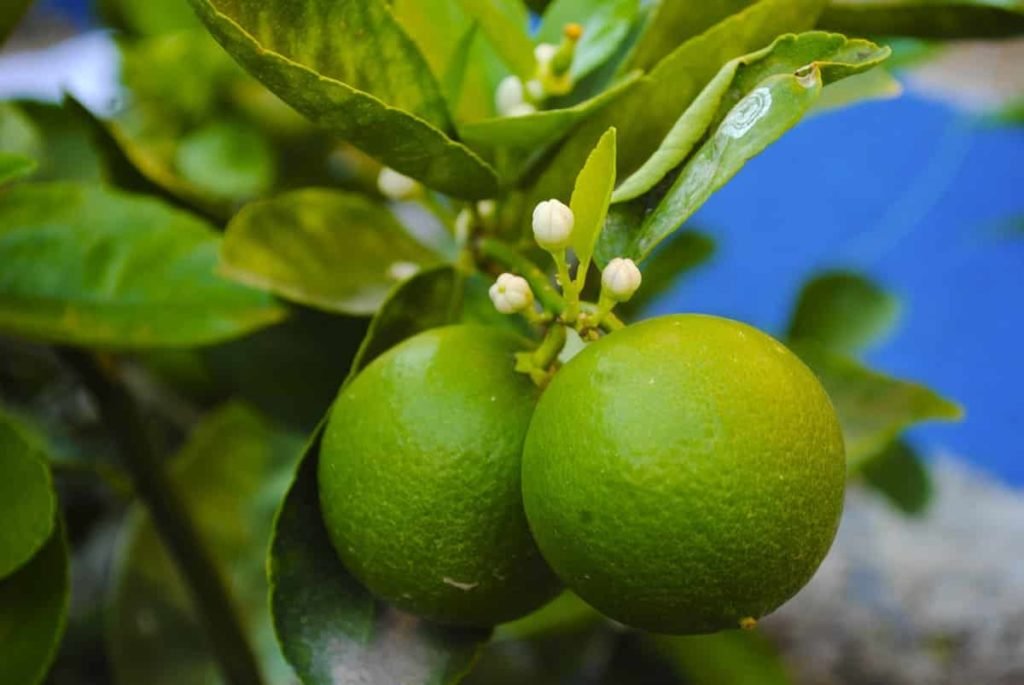
Proper pruning ensures your lemon tree grows strong and healthy:
- Remove dead, weak, or damaged branches.
- Pinch tips of growing shoots to encourage lateral branching.
- Shape the tree for better sunlight penetration and airflow.
- Avoid heavy pruning in flowering season to prevent loss of buds.
Pro Tip: Regular pruning improves fruit size and quality while preventing disease.
Pest and Disease Management
Healthy lemon trees are more resistant to pests, but vigilance is key:
Common Pests
- Aphids: Tiny green insects on new shoots; treat with neem oil.
- Scale Insects: Cause leaf yellowing; remove manually or spray horticultural oil.
- Leaf Miners: Damage leaves; remove affected leaves and apply safe insecticides.
Common Diseases
- Root Rot: Caused by overwatering; ensure well-draining soil.
- Anthracnose: Fungal disease; prune affected areas and use fungicides.
- Citrus Canker: Bacterial infection; remove infected parts immediately.
Tricks:
- Maintain proper spacing between trees for airflow.
- Water in the morning to allow leaves to dry.
- Regularly inspect leaves, branches, and fruits for early signs of problems.
Propagation Tricks for Multiplying Lemon Trees
Propagating your own lemon trees ensures you have healthy, true-to-type trees without buying new saplings:
1. Stem Cuttings
- Select a healthy semi-hardwood branch.
- Cut 6–8 inches with 2–3 nodes.
- Dip in rooting hormone and plant in well-draining soil.
- Keep moist and shaded until roots develop (3–4 weeks).
2. Air Layering
- Make a small incision on a healthy branch.
- Wrap with moist sphagnum moss and plastic.
- Roots form in 4–6 weeks; then cut and plant the new branch.
3. Grafting
- Combine a high-quality scion with a disease-resistant rootstock.
- Ensures faster fruiting and strong growth.
Mulching and Soil Tricks

Mulching keeps your lemon tree healthy and reduces stress:
- Use organic mulch like straw, dried leaves, or compost.
- Apply 2–3 inches around the base, keeping 2–3 inches away from the trunk.
- Benefits: Conserves moisture, improves soil fertility, reduces weed growth, and regulates temperature.
Environmental Tricks for Optimal Growth
- Temperature: Lemon trees prefer 20–30°C (68–86°F). Protect from frost.
- Humidity: Moderate humidity supports healthy leaves. Mist leaves if air is dry.
- Sunlight: Ensure trees receive full sun daily for strong growth and fruit production.
Harvesting Tips
- Lemons are ready to harvest when they are slightly soft and fragrant.
- Avoid picking immature fruits—they may not ripen properly.
- Frequent harvesting encourages more flowering and fruiting.
Quick Tricks to Boost Lemon Tree Health
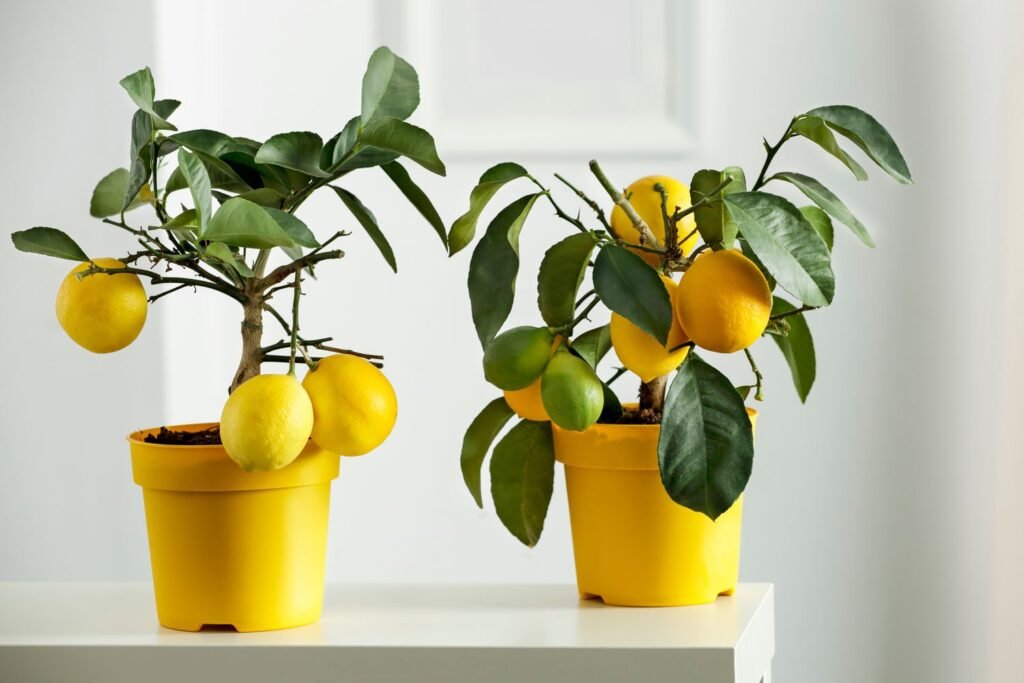
- Remove weeds regularly to reduce competition for nutrients.
- Rotate potted trees for even sunlight exposure.
- Use companion plants like marigold to deter pests naturally.
- Apply organic foliar sprays with seaweed extract or compost tea.
- Regularly check for pests, yellowing leaves, or unusual spots.
Conclusion
Growing a healthy lemon tree doesn’t have to be complicated. By following these simple tricks—choosing the right variety, planting correctly, watering properly, fertilizing, pruning, and managing pests—you can enjoy a lush, productive tree that rewards you with delicious lemons year after year.
With consistent care, patience, and attention, your lemon tree will thrive, producing vibrant foliage, strong branches, and juicy, flavorful fruits for your home, garden, or balcony. Start today, and watch your lemon tree grow into a healthy, fruitful centerpiece in your garden.