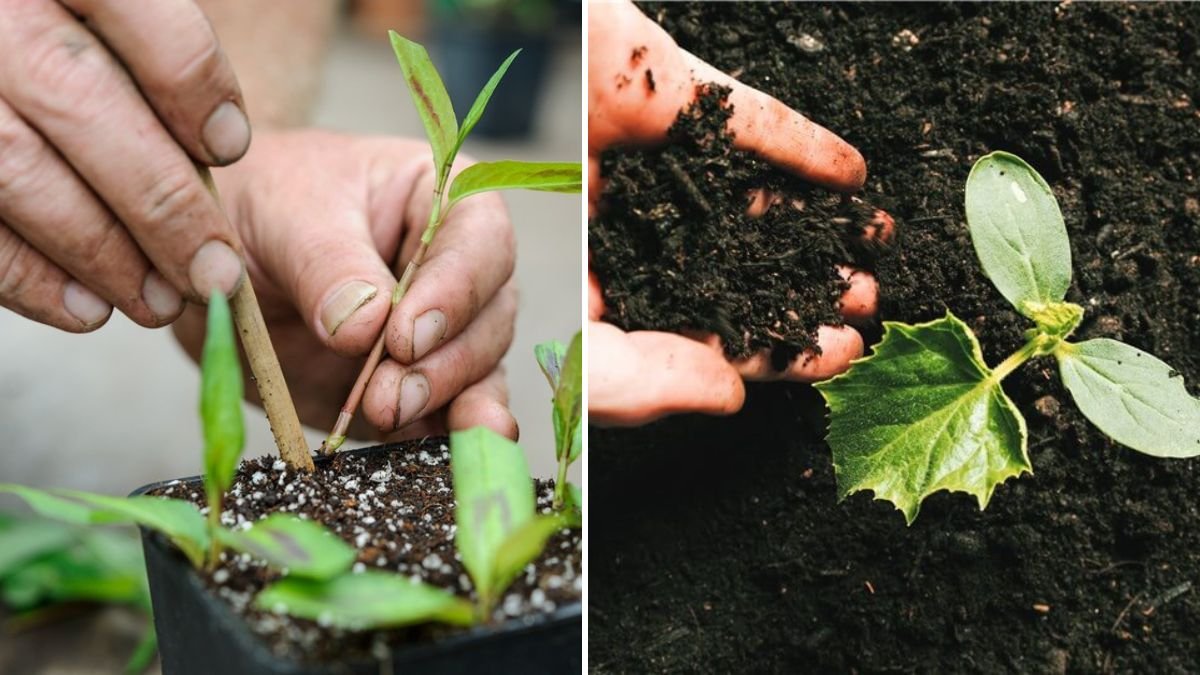
Propagation is the key to multiplying your favorite plants without spending a fortune. Whether you’re a home gardener, an indoor plant enthusiast, or someone who loves backyard gardening, learning the best method for rapid propagation can save time, money, and effort. By using proven techniques, you can grow multiple healthy plants from a single parent plant and enjoy lush greenery or fresh fruits sooner than you think.
In this comprehensive guide, we’ll explore the most effective propagation methods, step-by-step instructions, and expert tips to ensure your plants grow fast, strong, and vibrant.
Why Rapid Propagation Matters
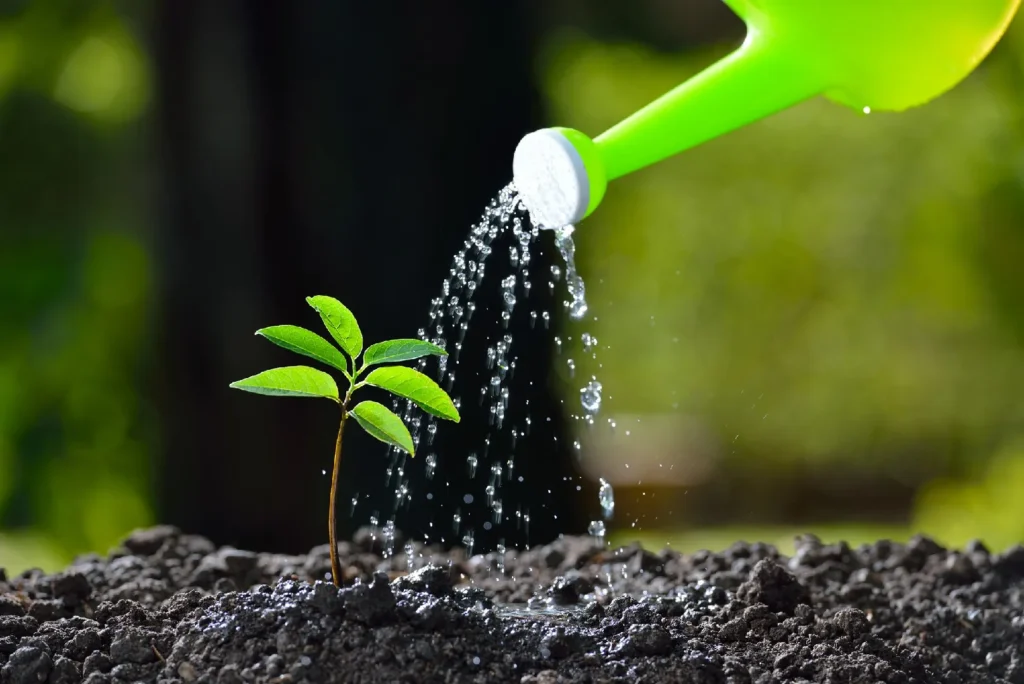
Rapid propagation is not just about growing more plants—it’s about efficiency and maximizing results:
- Faster Harvesting: For fruit-bearing plants like guava, lemon, or mango, faster propagation means earlier fruit production.
- Cloning Desired Traits: Propagation ensures that new plants retain the parent plant’s quality, including flower color, fruit flavor, and leaf patterns.
- Cost Savings: Instead of buying multiple plants, you can multiply your existing ones.
- Space Efficiency: Propagation allows gardeners to grow multiple plants in small areas using techniques like cuttings, air layering, or grafting.
Choosing the Right Propagation Method
The best method for rapid propagation depends on the type of plant, resources available, and desired outcome. Here are the most effective techniques:
1. Stem Cuttings
- Ideal for most tropical, ornamental, and fruit plants.
- Examples: Pothos, Guava, Lemon, Bougainvillea
- Quick rooting occurs in 2–6 weeks under proper conditions.
- Step-by-step:
- Select a healthy semi-hardwood stem.
- Cut 4–8 inches with 2–4 nodes.
- Remove lower leaves and dip the base in rooting hormone.
- Plant in moist, well-draining soil.
- Cover with plastic for high humidity and place in indirect sunlight.
2. Leaf Cuttings
- Suitable for plants like succulents, begonias, and African violets.
- Cut a healthy leaf and plant it in moist soil.
- Roots form at the base of the leaf within 3–4 weeks.
- Leaves develop into full plants quickly with minimal effort.
3. Air Layering
- Excellent for trees and shrubs that are slow to root from cuttings.
- Examples: Mango, Guava, Citrus
- Steps:
- Select a healthy branch and remove a small section of bark.
- Apply moist sphagnum moss around the exposed area.
- Wrap in plastic and secure with ties.
- Roots form within 4–8 weeks, then cut and plant the new branch.
4. Grafting
- Best for fruit trees and flowering trees that need true-to-type characteristics.
- Examples: Mango, Lemon, Apple
- Steps:
- Select a healthy scion from a mature plant.
- Join with a compatible rootstock.
- Secure the graft and seal with wax.
- Proper aftercare ensures fast growth and early fruiting.
5. Tissue Culture (Advanced)
- For large-scale propagation in nurseries.
- Produces disease-free plants rapidly.
- Requires lab equipment but gives mass propagation in weeks.
Creating the Ideal Environment for Rapid Growth
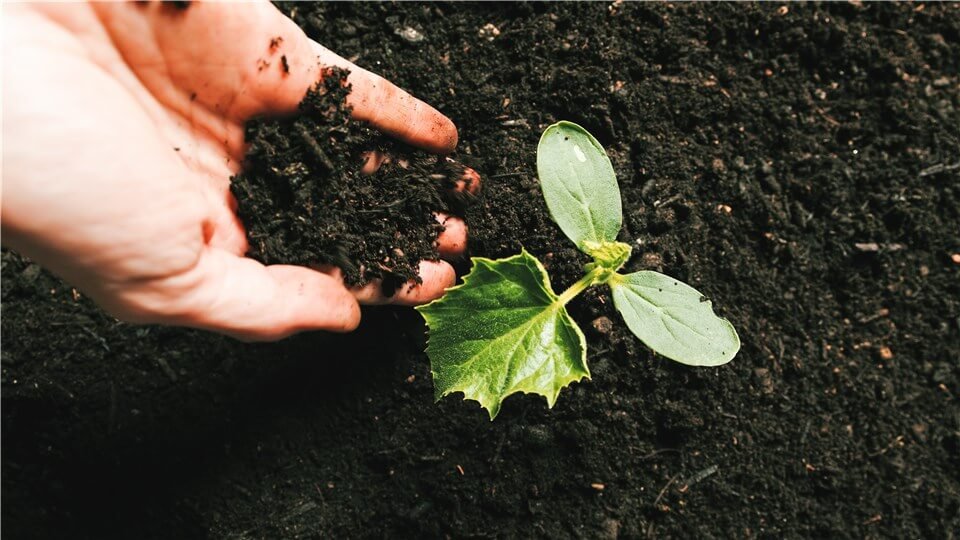
Rapid propagation depends on providing the right conditions for your new plants:
1. Light
- Most plants root fastest in bright, indirect sunlight.
- Avoid harsh direct sun, which can scorch young cuttings.
2. Temperature
- Warm temperatures (20–30°C or 68–86°F) encourage faster root development.
- Tropical plants thrive with consistent warmth.
3. Humidity
- High humidity prevents cuttings from losing water before roots form.
- Covering cuttings with a plastic bag or using a mini greenhouse creates a perfect environment.
4. Watering
- Keep the medium moist but not soggy.
- Overwatering causes root rot; underwatering slows growth.
5. Soil
- Use well-draining, aerated soil or medium.
- Recommended mixes:
- 50% cocopeat + 50% perlite
- 40% garden soil + 30% sand + 30% compost
- Fertile soil provides nutrients for rapid root and shoot development.
Fertilization and Nutrition
Feeding your propagated plants properly helps them grow faster and stronger:
- Initial Stage: Avoid heavy fertilizers until roots form.
- After Rooting: Apply liquid fertilizers or compost tea every 2–4 weeks.
- Balanced Nutrition: Use NPK 10-10-10 or 20-20-20 for optimal growth.
- Organic options like vermicompost, cow manure, or seaweed extract promote healthy, lush plants.
Pruning and Maintenance
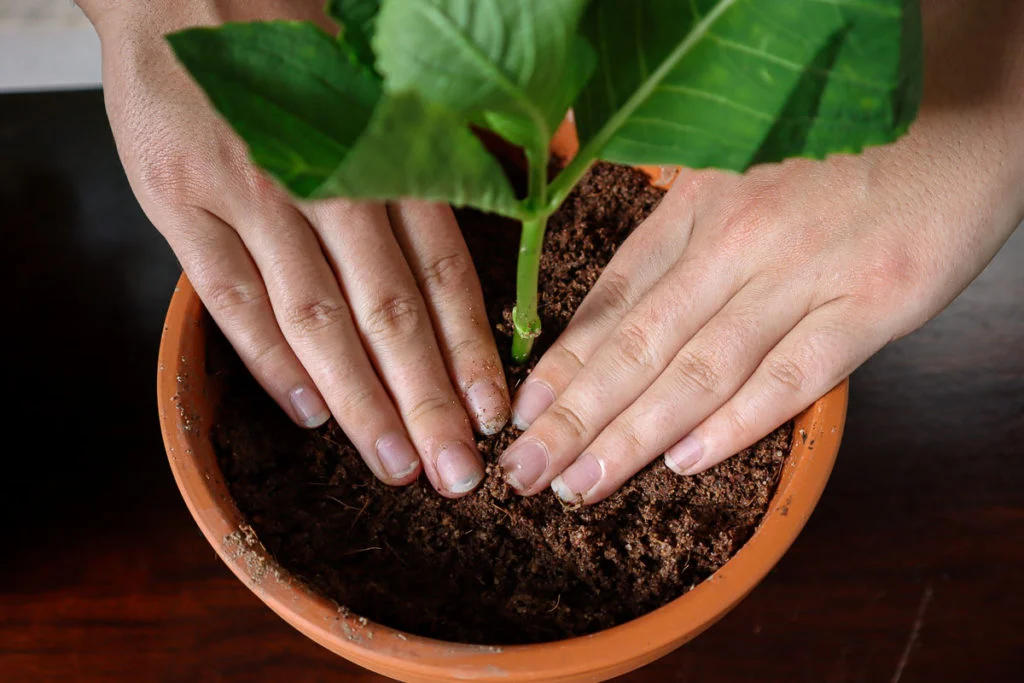
Pruning is essential for promoting bushy growth and early development:
- Remove weak, yellow, or damaged leaves.
- Pinch growing tips to encourage branching.
- Maintain shape and allow sunlight to reach all leaves.
Pest and Disease Management
Healthy plants grow faster and resist disease:
Common Pests
- Aphids, mealybugs, spider mites
- Treat with neem oil or mild insecticidal soap
Common Diseases
- Root rot (from overwatering)
- Leaf spot or fungal infections
- Prevention: Ensure proper drainage, ventilation, and remove infected parts.
Monitoring Progress
- Check root development in 2–6 weeks depending on the plant.
- New shoots indicate successful rooting.
- Gradually acclimate plants to outdoor conditions after initial growth.
Advantages of Rapid Propagation
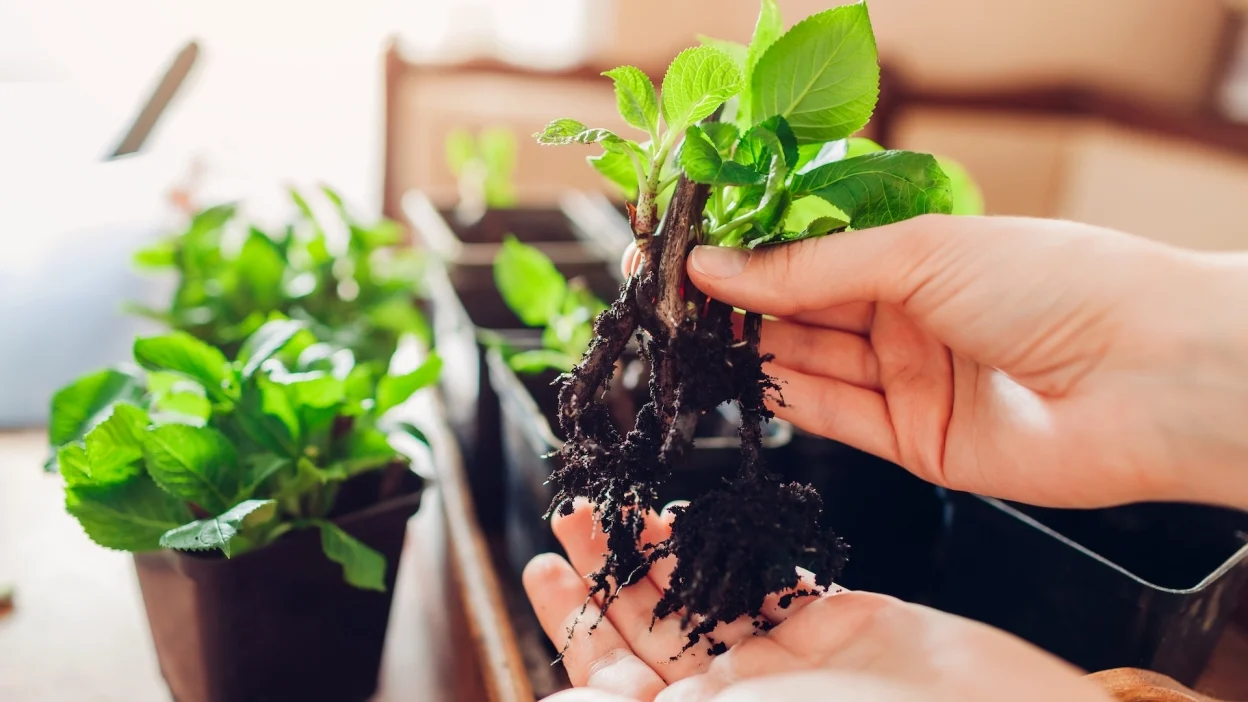
- Multiply plants quickly without buying new ones.
- Early fruiting and flowering for edible or ornamental plants.
- True-to-type offspring ensures quality consistency.
- Cost-effective and environmentally friendly.
- Fun and educational for beginner gardeners.
Tips for Maximum Success
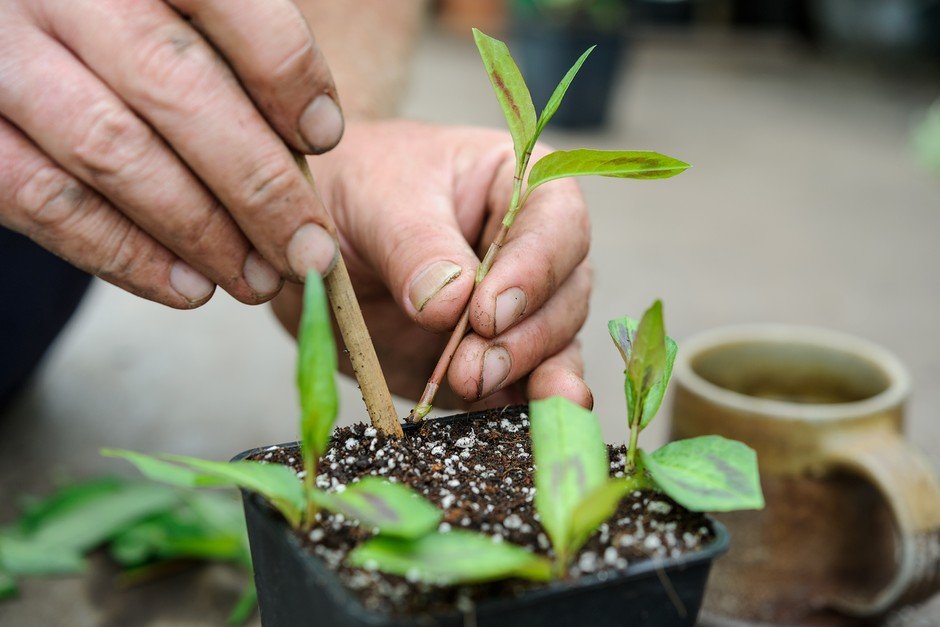
- Always choose healthy parent plants.
- Use semi-hardwood cuttings for faster root growth.
- Maintain high humidity and proper temperature.
- Fertilize lightly after roots form.
- Prune and remove competing shoots to promote scion growth.
- Monitor regularly for pests and diseases.
- Be patient but consistent—rapid propagation is fast, but care is key.
Conclusion
The best method for rapid propagation combines proper selection of parent plants, ideal environmental conditions, and effective propagation techniques like stem cuttings, air layering, or grafting. By following these steps, you can multiply your plants quickly, save money, and enjoy healthy, vibrant greenery or early fruit production.
Whether you’re propagating indoor plants, ornamental shrubs, or fruit trees, these expert tips ensure fast, successful, and sustainable plant growth. Start today and watch your garden flourish with multiple healthy plants, all grown from just a few parent specimens.