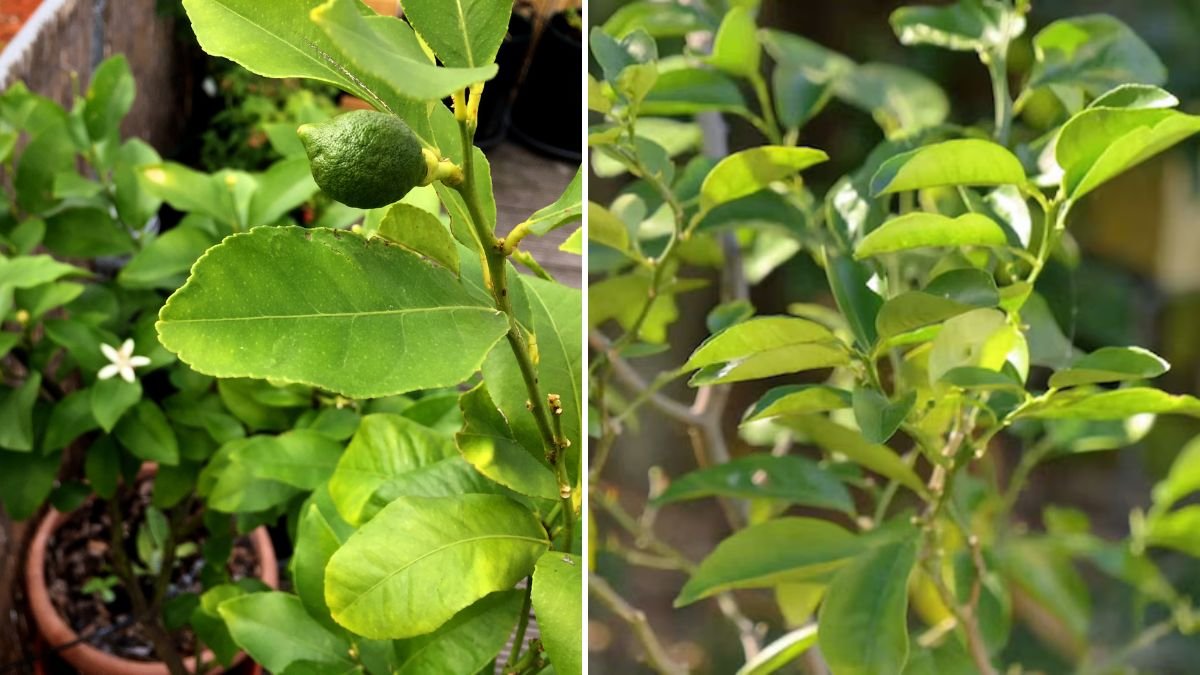
Lemon trees are a favorite among home gardeners for their refreshing fruits, aromatic foliage, and ability to thrive in both gardens and pots. While growing lemon trees from seeds is possible, it is slow and unpredictable, often taking 5–7 years before bearing fruit. Fortunately, there is a best way to propagate lemon trees that ensures fast growth, early fruiting, and true-to-type quality.
In this guide, we’ll explore the most effective methods to propagate a lemon tree, share expert tips, and explain how to nurture your new plant into a healthy, fruit-bearing tree.
Why Propagation is Better Than Growing from Seeds
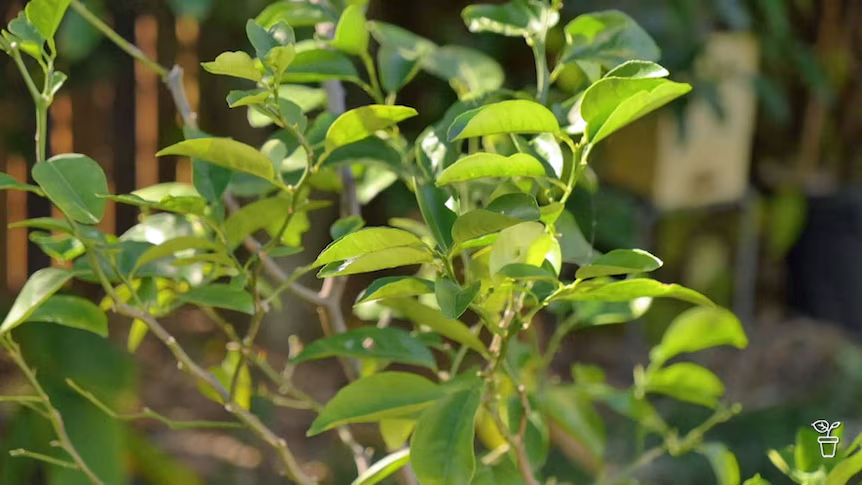
Propagation allows gardeners to produce multiple trees from a single parent while maintaining the same fruit quality. Here’s why it’s preferred:
- Faster Fruit Production: Cuttings or grafted trees often bear fruit in 2–3 years compared to 5–7 years from seed.
- True-to-Type Trees: The new tree will inherit the exact characteristics of the parent tree, including fruit size, taste, and growth habits.
- Stronger Plants: Propagated trees tend to be more vigorous and resilient.
- Cost-Effective: You can multiply your favorite lemon trees without buying new saplings.
The BEST Way to Propagate Lemon Trees
While there are several methods, the fastest and most reliable ways to propagate lemon trees are:
- Stem Cuttings
- Air Layering
- Grafting
Among these, stem cuttings treated with rooting hormone is the easiest and most effective method for beginners and home gardeners.
Step 1: Choosing the Right Cutting
The key to successful propagation starts with the right cutting:
- Type: Semi-hardwood branch (neither too soft nor too woody)
- Length: 6–8 inches with 3–4 nodes
- Leaves: Healthy leaves at the top, remove lower leaves
- Health: Free from disease, pests, or damage
Pro Tip: Avoid soft, green shoots, which wilt easily, and old, woody branches that root slowly.
Step 2: Preparing the Cutting
Proper preparation increases rooting success:
- Make a clean cut at a 45-degree angle just below a leaf node.
- Remove lower leaves, leaving 2–3 leaves at the top.
- Trim any flowers or fruit buds to focus energy on root development.
- Optional: Dip the base of the cutting in rooting hormone or natural alternatives like aloe vera gel.
Step 3: Choosing the Right Rooting Medium
Lemon cuttings need a well-draining, airy medium:
- 50% cocopeat + 50% perlite
- 40% garden soil + 30% sand + 30% compost
- 50% sand + 50% cocopeat
Lightly moisten the soil before planting to prevent the cutting from drying out.
Step 4: Planting the Cutting
- Make a hole in the medium using a pencil or stick.
- Insert the cutting 2–3 inches deep.
- Firm the soil gently around the base.
- Ensure the leaves remain above the soil.
Step 5: Creating Optimal Conditions
For rapid rooting, create a high-humidity, warm environment:
- Cover the cutting with a clear plastic bag or mini greenhouse dome.
- Place in bright, indirect sunlight—avoid direct sun to prevent leaf burn.
- Maintain temperature between 22–28°C (72–82°F).
Step 6: Watering and Care

- Keep the soil consistently moist, not waterlogged.
- Mist the cutting every 2–3 days to maintain humidity.
- Avoid overwatering, which causes root rot.
Pro Tip: Check the soil regularly and water lightly when the top inch feels dry.
Step 7: Root Development
Roots usually start forming within 3–4 weeks with proper care:
- Gently tug the cutting—if it resists, roots have formed.
- Leaves may look fresh and vibrant as the cutting establishes.
- Gradually remove the plastic cover to acclimate the cutting to normal air conditions.
Step 8: Transplanting the Rooted Cutting
Once roots are well-established:
- Choose a larger pot or garden spot with fertile, well-draining soil.
- Mix compost or well-rotted manure into the soil.
- Plant the rooted cutting carefully and water thoroughly.
- Apply 2–3 inches of mulch around the base to retain moisture and reduce weeds.
Fertilization for Fast Growth

Proper nutrients are crucial for lemon trees:
- Young plants: Nitrogen-rich fertilizers promote vegetative growth.
- Mature plants: Balanced NPK (10-10-10) encourages fruiting.
- Organic options like vermicompost, cow manure, or compost tea work well.
- Fertilize every 6–8 weeks for young plants and 3–4 times per year for mature trees.
Pruning for Health and Fruit Production
Pruning helps your lemon tree grow stronger and produce more fruit:
- Remove weak, damaged, or diseased branches.
- Pinch tips to encourage lateral shoots.
- Shape the tree for better sunlight penetration.
Pest and Disease Management
Healthy plants grow faster and produce better fruit:
- Common pests: Aphids, mealybugs, scale insects
- Common diseases: Root rot, anthracnose, leaf spot
- Preventive care: Regular inspection, neem oil sprays, proper drainage, and pruning affected areas.
Harvesting Your Lemons
- Lemon trees propagated from cuttings usually start fruiting in 2–3 years.
- Fruits are ready when slightly soft and fragrant.
- Pick carefully to avoid damaging the branches.
- Frequent harvesting encourages more flowering and fruiting.
Tips for Maximum Success
- Use healthy, mature parent trees for propagation.
- Apply rooting hormones to boost success rates.
- Maintain consistent sunlight, warmth, and humidity.
- Fertilize regularly with balanced or organic options.
- Prune strategically to encourage bushy growth.
- Monitor for pests and treat early.
- Be patient—roots and shoots take time to develop fully.
Why This Method Works
The best method—stem cuttings with rooting hormone—works because:
- Cuttings from mature trees ensure true-to-type plants.
- Proper humidity, temperature, and soil create ideal conditions for root growth.
- Removing flowers or fruits focuses energy on roots, speeding establishment.
- Fertilization and pruning promote strong shoots and early fruiting.
Advantages of Propagated Lemon Trees

- Early fruiting: Enjoy lemons faster than seed-grown trees.
- Healthy growth: Rooted cuttings are vigorous and resilient.
- Consistent fruit quality: The tree produces fruit identical to the parent.
- Cost-effective: Multiply trees without extra expense.
- Easy for beginners: Minimal equipment needed and high success rate.
Conclusion
Propagating a lemon tree doesn’t have to be complicated. The best method—semi-hardwood cuttings with rooting hormone and proper care—ensures rapid growth, early fruiting, and strong, healthy plants.
By following these steps—selecting the right cutting, preparing the soil, maintaining humidity, watering properly, fertilizing, and pruning—you can enjoy lush lemon trees in your garden or pots in just a few years.
Start today and experience the satisfaction of growing your own homegrown lemons—fresh, juicy, and full of flavor.