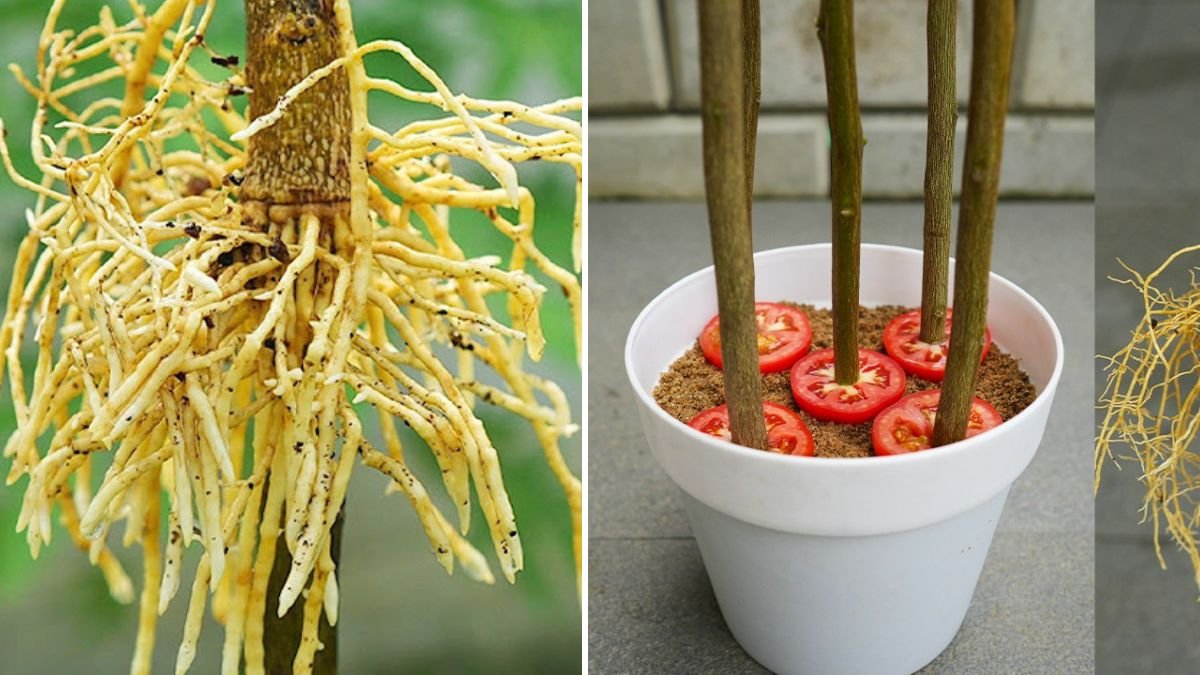
Lemon trees are some of the most rewarding fruit trees to grow. Their shiny green leaves, fragrant flowers, and year-round fruits make them a gardener’s pride. Whether you have a spacious backyard or a small balcony, propagating a lemon tree is a skill that can give you endless plants from just one mother tree. The best part? Propagation is simple, cost-friendly, and perfect for beginners.
In this comprehensive guide, you will learn why propagation matters, different techniques to propagate lemon trees, step-by-step instructions for each method, the best time to propagate, and the essential care tips to ensure your new lemon plants grow into healthy, productive trees.
Let’s dive into the world of citrus propagation and help you grow thriving lemon trees from your very own hands.
Why Propagate a Lemon Tree?
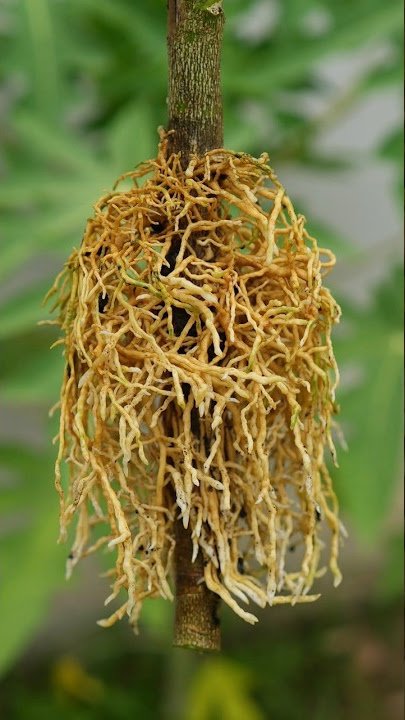
Before selecting a method, it’s important to understand the benefits:
1. Clone Your Favourite Lemon Variety
Propagation guarantees that your new plant will have the same traits as the parent tree—fruit size, taste, aroma, and disease resistance.
2. Faster Growth
Seed-grown lemons may take 5–8 years to bear fruit. Propagated trees, especially from cuttings or air layering, can fruit in 1–2 years.
3. Save Money
Instead of buying nursery plants, you can produce unlimited trees at home using simple materials.
4. Disease-Free Young Plants
Healthy parent trees ensure healthy clones.
Best Time to Propagate Lemon Trees
Lemon trees root best when temperatures are warm and stable.
Ideal Seasons
- Spring (February–April)
- Monsoon / Early rainy season (June–July)
- Early Autumn (September)
Warm weather increases rooting success, while moderate humidity prevents drying.
Avoid winter propagation as low temperatures slow down root formation.
Top 3 Methods to Propagate Lemon Trees
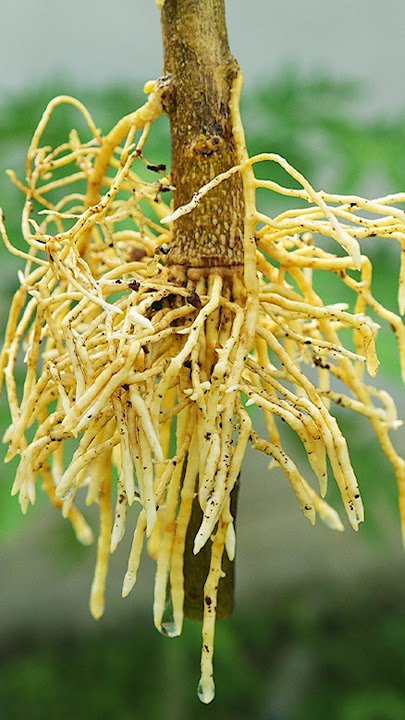
You can propagate lemon trees using several techniques, but the three most effective methods are:
- Stem Cuttings
- Air Layering (Marcotting)
- Seed Propagation (for rootstocks)
Below is a deep, step-by-step explanation of each one.
1. Propagating Lemon Trees from Stem Cuttings
This is the most popular and easiest method. Cuttings root quickly and give you a plant identical to the original tree.
Step-by-Step Guide
Step 1: Select the Right Cutting
- Choose a healthy, disease-free branch from a mature tree.
- Best: Semi-hardwood wood (not too soft, not too woody).
- Length: 6–8 inches
- Thickness: Pencil-sized.
- Must include 3–4 nodes.
Step 2: Prepare the Cutting
- Remove all leaves from the bottom half.
- Keep just 1–2 leaves at the top.
- Cut just below a node at a 45° angle.
- Optionally scrape 1 cm of bark to stimulate root growth.
- Dip the bottom end in:
- Commercial rooting hormone
- Or natural boosters like honey, aloe gel, or cinnamon powder
Step 3: Prepare Soil Mix
A well-draining mix is essential.
Best rooting medium:
- 40% cocopeat
- 30% perlite or coarse sand
- 20% vermicompost
- 10% garden soil
Step 4: Planting
- Insert the cutting 2 inches deep into the soil.
- Water lightly.
- Cover the pot with a transparent plastic bag to create humidity.
- Keep in bright shade—not direct sunlight.
Step 5: Care During Rooting
- Maintain moisture but avoid soggy soil.
- Mist the leaves every 2–3 days.
- Open the plastic cover daily for ventilation.
Rooting Time
Lemon cuttings take 3–6 weeks to root.
New leaves or resistance when pulled indicates successful rooting.
2. Propagating Lemon Trees by Air Layering (Marcotting)
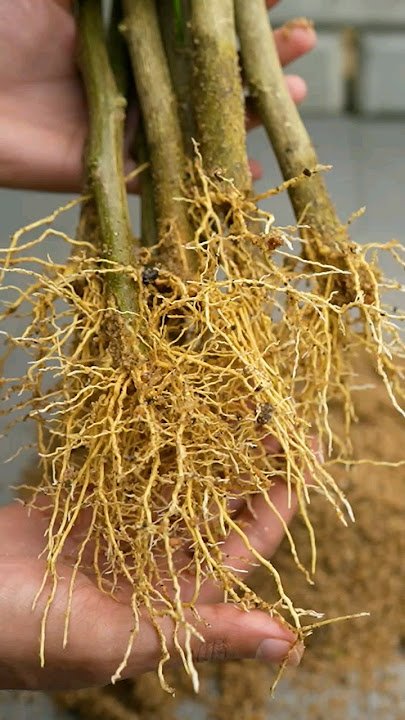
Air layering is the most reliable technique for larger or older branches. It gives you a strong, quickly fruiting plant.
Step-by-Step Guide
Step 1: Choose the Branch
Select a healthy, mature branch with:
- Thickness of a finger
- No disease or insect damage
- Good sunlight exposure
Step 2: Make the Wound
- Remove a ring of bark (1 inch wide)
- Scrape the green layer until the wood turns light
Step 3: Apply Rooting Hormone
Dust the wounded area with a rooting hormone or honey.
Step 4: Pack the Wound with Moist Medium
Best rooting material:
- Wet sphagnum moss
- Or cocopeat + compost
- Or even moist garden soil
Step 5: Wrap the Medium
Wrap the material tightly with:
- Plastic wrap
- Aluminum foil
- Or cling film
Seal the ends to lock moisture.
Step 6: Wait for Root Formation
Air layers root in 4–8 weeks, depending on climate.
Signs of rooting:
- White roots visible through the plastic
- Swollen bark
- Formation of callus tissue
Step 7: Cut and Plant
- Once roots are well formed, cut the branch below the rooting area.
- Plant in a pot with nutrient-rich soil.
- Keep under shade for 1–2 weeks before shifting to sunlight.
3. Propagating Lemon Trees from Seeds (Only for Rootstock)
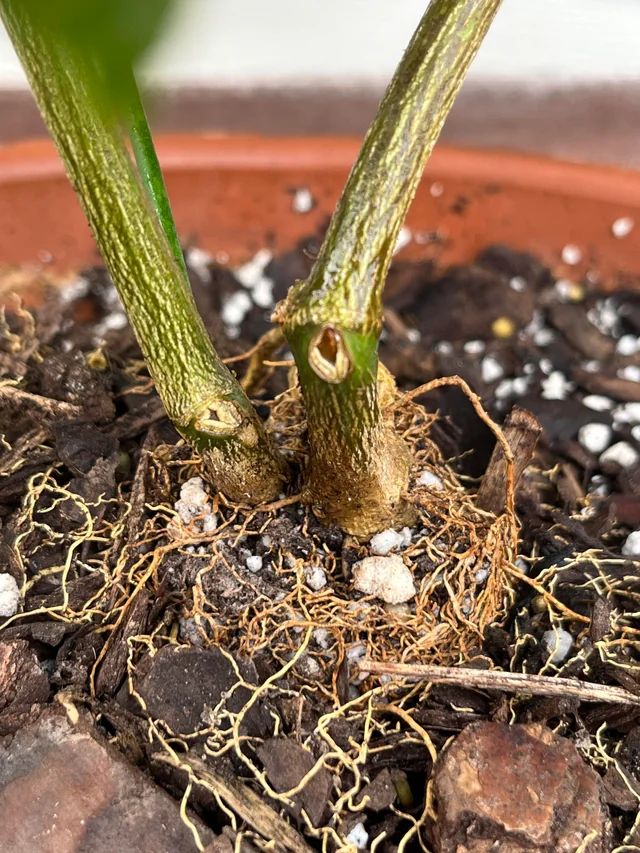
Growing from seeds doesn’t guarantee the fruit quality of the parent tree. But seed-grown plants are strong and used as rootstock for grafting.
Steps for Seed Propagation
- Select seeds from a fresh, juicy lemon.
- Do not dry the seeds—plant immediately.
- Remove the outer coating gently.
- Plant seeds in a pot 1 cm deep.
- Keep moist and warm.
Germination Time: 10–20 days.
After 6–12 months, these seedlings can be used for grafting improved lemon varieties.
How to Care for Newly Propagated Lemon Plants
Propagation is only the first step. Proper care ensures the new plant grows healthy.
1. Sunlight
- Young plants: Bright shade
- Mature plants: 6–8 hours sunlight daily
2. Watering
- Keep soil moist but avoid waterlogging.
- Allow the top 1–2 inches to dry between waterings.
3. Fertilization
Feed monthly with:
- Organic compost
- Cow dung manure
- Vermicompost
Every 2–3 months:
- Epsom salt (magnesium boost)
- Citrus-specific fertilizer
4. Pruning
Prune regularly to promote branching and fruiting.
Remove:
- Dry branches
- Inward-growing stems
- Dead leaves
5. Pest Control
Common lemon pests:
- Aphids
- Whiteflies
- Mealybugs
- Leaf miners
Use neem oil sprays weekly for protection.
When Will the Propagated Lemon Tree Produce Fruits?
Your lemon tree’s fruiting time depends on the propagation method:
| Propagation Method | Fruit-bearing Time |
|---|---|
| Cuttings | 1–2 years |
| Air Layering | 1 year or less |
| Seed-grown | 5–8 years |
Air layering and cuttings produce faster fruiting plants because they are already mature sections of the parent tree.
Common Mistakes to Avoid

To guarantee a high success rate, avoid these errors:
Overwatering the cutting
Causes stem rot before roots develop.
Using hard, woody branches
They root slowly and often fail. Keeping cuttings under direct sunlight
Leads to dehydration and death.
Skipping humidity
Humidity is the key ingredient in rooting success.
Not using a sharp, sterilized knife
Increases infection risk.
Conclusion: Start Propagating Your Own Lemon Trees Today
Propagating a lemon tree is one of the most satisfying gardening experiences. With simple materials and proper techniques, you can convert a single branch into multiple fruit-bearing trees. Whether you choose cuttings, air layering, or seed propagation, each method can help you grow healthy, productive lemon trees that will reward you with fragrant blossoms and fresh lemons for years to come.
The best part? You can enjoy the entire journey—from a small cutting to a flourishing citrus tree—right at home.