Growing plants—whether fruits, vegetables, herbs, or ornamentals—is one of the most rewarding activities you can experience. But many beginners struggle because they don’t know where to start or how to care for plants properly. The truth is, anyone can grow healthy, thriving plants with the right knowledge, techniques, and consistency.
This 1200-word guide breaks down exactly how to grow plants successfully, no matter what you’re planting. From preparing the soil to watering, fertilizing, sunlight management, and pest control—this article covers everything you need to know to grow strong and beautiful plants.
Let’s dive into this complete, beginner-friendly roadmap.
1. Start with the Right Plant Choice

Choosing the right plant is the foundation of successful gardening.
Know Your Climate
Whether you’re growing apples, tomatoes, lemons, or indoor plants, the local climate decides what thrives:
- Hot climates → mango, guava, lemon, papaya
- Mild climates → apples, peaches, lettuce
- Cold climates → spinach, kale, cabbage
Choose plants that naturally thrive in your region.
Sunlight Needs
Every plant has specific sunlight requirements:
- Full sun (6–8 hours) → most fruit trees & vegetables
- Partial sun (3–5 hours) → ornamentals & herbs
- Low light → indoor plants (ZZ, snake plant, pothos)
Matching the plant to the available light prevents slow growth and leaf yellowing.
2. Prepare the Perfect Soil Mix
Healthy soil = healthy plants.
Why Soil Matters
Soil provides nutrients, water, anchorage, and air for roots. Poor soil means weak plants.
Ideal Soil Mix for Most Plants
Use this universal formula:
- 40% garden soil
- 30% compost (vermicompost or cow dung)
- 30% sand, perlite, or cocopeat
This mix ensures:
- Good drainage
- Proper aeration
- Nutrient-rich environment
For Fruit Trees
Add slow-release organic fertilizers like neem cake or bone meal.
For Indoor Plants
Use lighter soil with more cocopeat and perlite to avoid waterlogging.
3. Master the Art of Watering
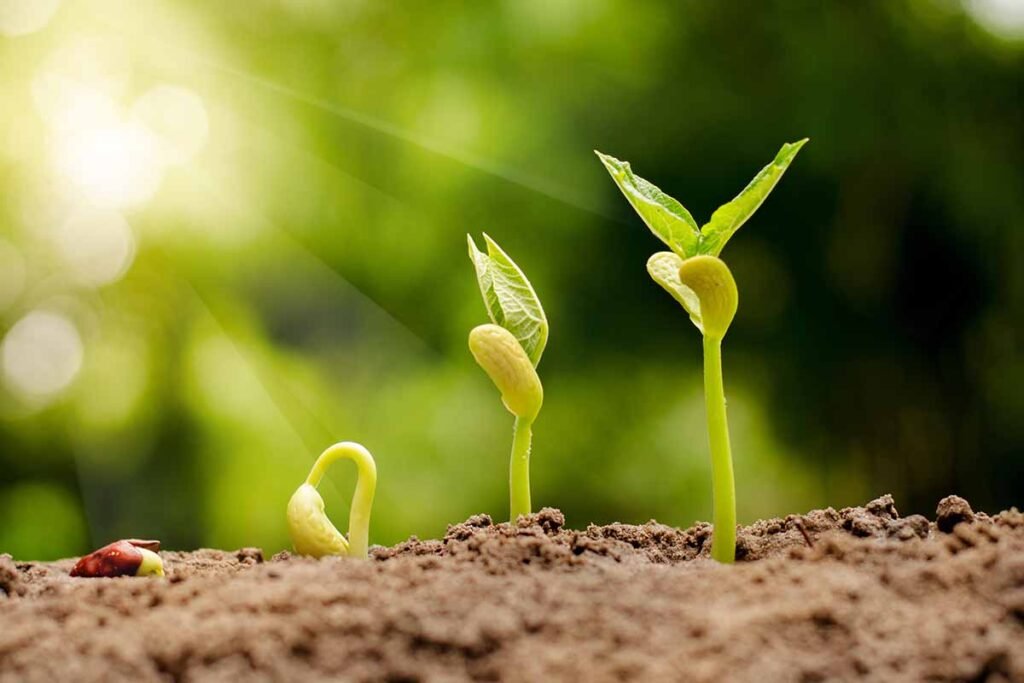
Watering is the #1 reason plants die—either too much or too little.
The Golden Rule:
Water only when the top 2 inches of soil feel dry.
Deep Watering Technique
Instead of watering lightly and frequently, water deeply so moisture reaches the root zone.
Morning Is Best
Water in the early morning for better absorption.
Avoid These Mistakes
- Never let water stand in pots.
- Don’t water leaves; water the base.
- Reduce watering in winter.
Understanding moisture is the key to consistent plant growth.
4. Give Your Plants the Right Amount of Sunlight
Sunlight is essential for photosynthesis.
Full Sun Plants
- Fruits: lemon, guava, mango, papaya
- Vegetables: tomatoes, brinjal, chilli
They require 6–8 hours of sunlight.
Partial Shade Plants
- Money plant
- Peace lily
- Ferns
Need 3–5 hours of indirect light.
Indoor Plants
Low-light plants thrive without intense sunlight.
Rotate Your Plants
Rotate pots every week for even light exposure and balanced growth.
5. Feed Your Plants with Natural Fertilizers
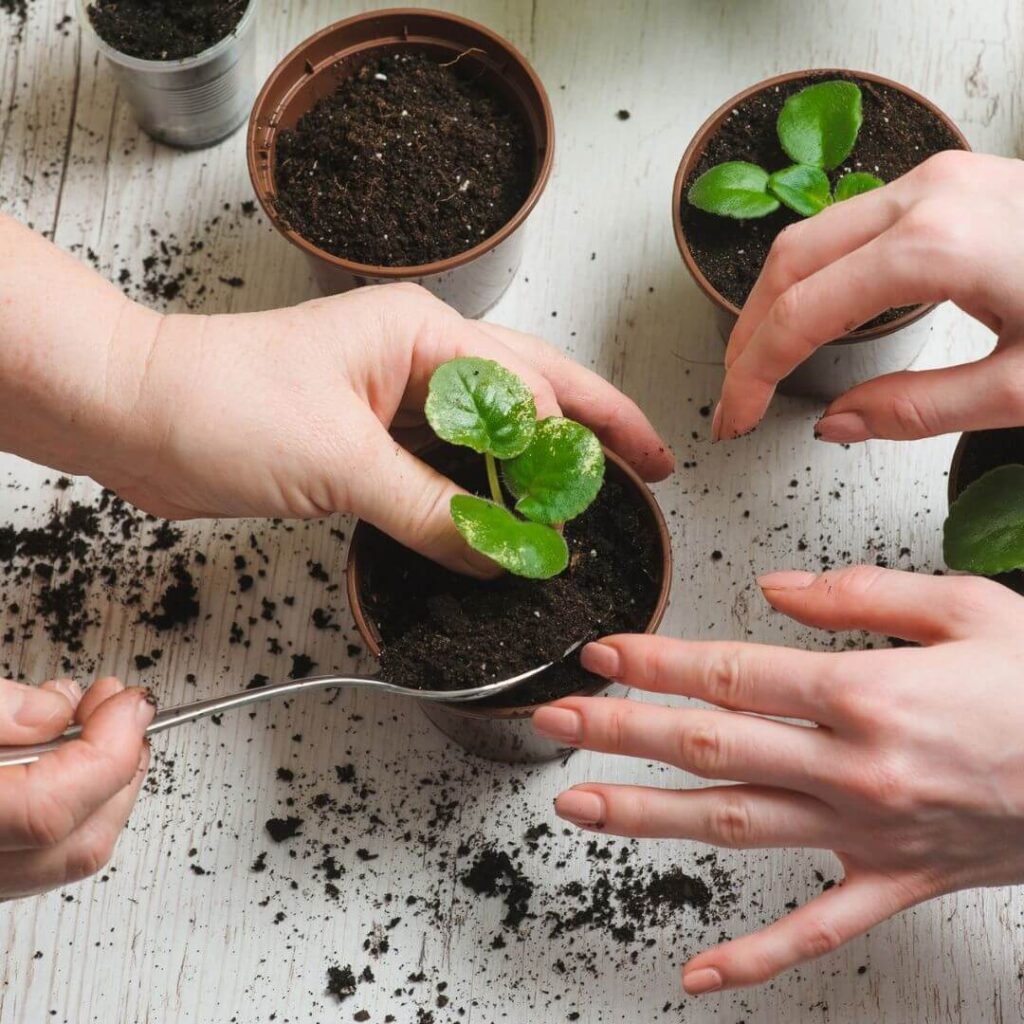
Plants need nutrients to grow—nitrogen, phosphorus, potassium, and trace minerals.
Best Organic Fertilizers
- Vermicompost – boosts overall growth
- Cow dung compost – slow release nutrients
- Banana peel fertilizer – potassium rich for flowering
- Eggshell powder – calcium for roots and stems
- Neem cake – prevents soil pests
- Seaweed extract – instant growth booster
When to Fertilize
- Every 30–45 days for outdoor plants
- Every 60 days for indoor plants
Warning
Avoid chemical fertilizers—they can burn roots if overused.
6. Pruning and Training Plants for Better Growth
Pruning encourages fresh growth and improves plant structure.
Why Prune?
- Remove dead or weak branches
- Improve air circulation
- Encourage flowering and fruiting
- Prevent pest infestation
Pruning Fruit Trees
Fruit trees like lemon, guava, apple, and mango need annual pruning to remove:
- Crossing branches
- Suckers
- Inner weak branches
Plants grow vigorously after pruning.
🪴 7. Repotting: Giving Plants More Room to Grow
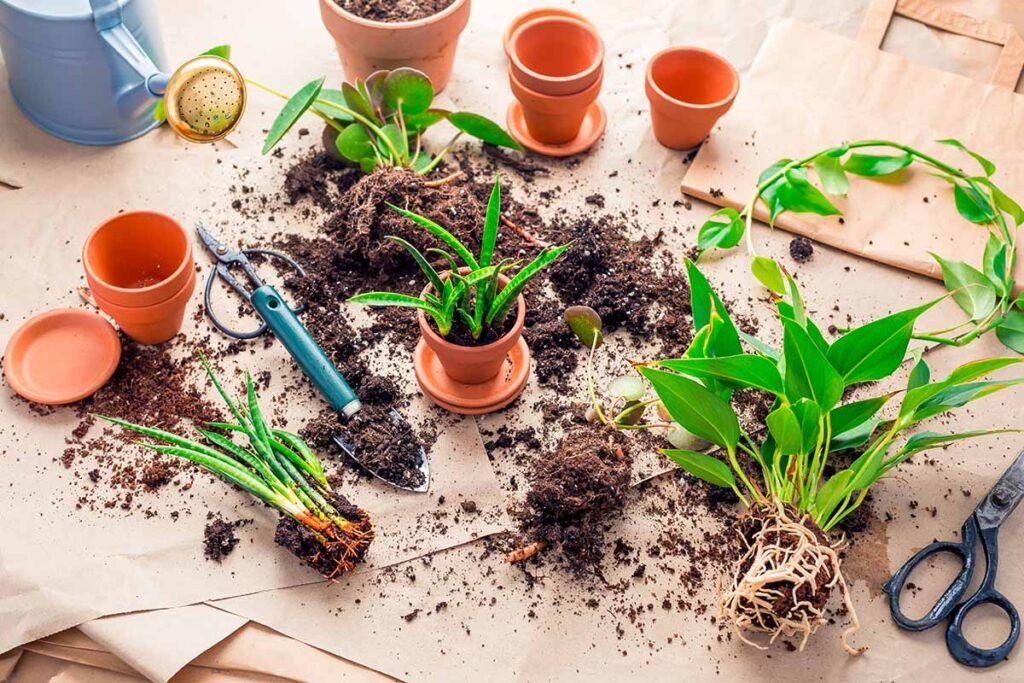
Roots need space. Repotting allows plants to breathe and expand.
Signs a Plant Needs Repotting
- Roots coming out of the drainage hole
- Soil dries too fast
- Plant looks dull or stunted
- Pot cracks
When to Repot
- Every 12–18 months
- Best season: spring or early monsoon
Repotting refreshes soil and boosts growth instantly.
8. Pest and Disease Management the Safe Way
Plants commonly face pests like:
- Aphids
- Mealybugs
- Whiteflies
- Thrips
- Leaf miners
Natural Pest Control
- Neem oil spray (weekly)
- Soap water spray
- Garlic-chilli solution
- Sticky traps
Preventive Steps
- Avoid overwatering
- Keep plants clean
- Provide good air circulation
- Check leaves regularly
Healthy plants naturally resist most pests.
9. Mulching: The Secret to Moisture and Fertility
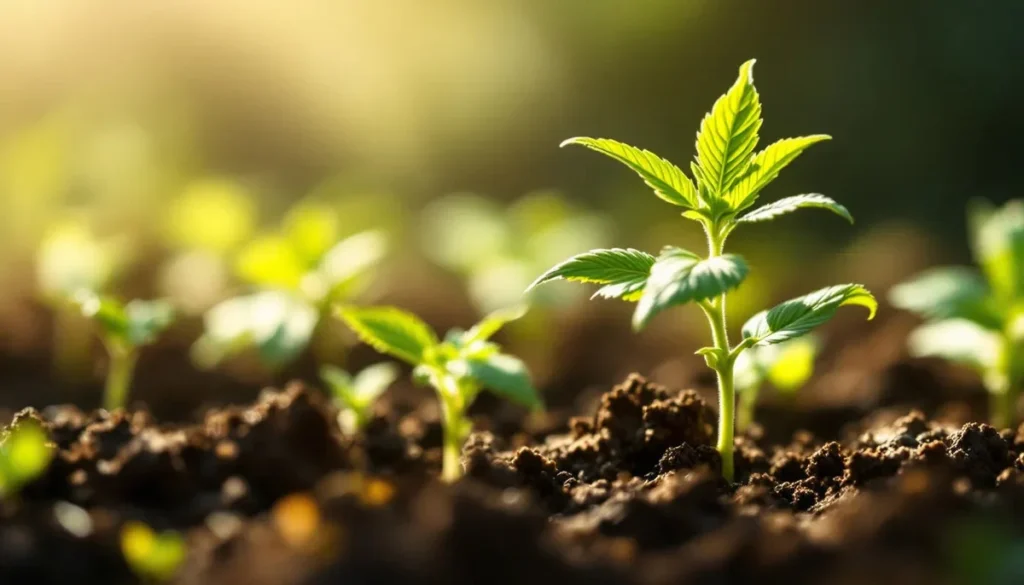
Mulching is placing a layer of organic material around the plant base.
Benefits
- Retains moisture
- Prevents weed growth
- Keeps roots cool
- Adds organic matter as it decomposes
Use dry leaves, straw, wood chips, or grass clippings.
Mulching is one of the simplest yet most powerful gardening techniques.
10. Growing Different Types of Plants
This guide applies to all plants, but here’s a breakdown for specific categories:
Fruit Trees
- Need full sun
- Deep watering
- Mulch regularly
- Add phosphorus-rich fertilizer for fruiting
Examples: lemon, guava, mango, apple.
Vegetables
- Fast growers
- Need nutrient-rich soil
- Water daily (depending on temperature)
- Harvest regularly
Examples: tomato, spinach, okra, beans.
Flowering Plants
- Require potassium for blooms
- Sunlight is essential
- Remove dead flowers for more blooming
Examples: rose, hibiscus, marigold.
🪴 Indoor Plants
- Avoid direct sunlight
- Water less frequently
- Use well-draining soil
- Wipe leaves to help photosynthesis
Examples: pothos, spider plant, snake plant.
Final Thoughts: Growing Plants Is Easier Than You Think!
Growing plants successfully isn’t difficult—it’s about understanding their basic needs:
- Healthy soil
- Correct watering
- Proper sunlight
- Organic nutrients
- Timely pruning
- Protection from pests
Once you master these fundamentals, you can grow anything—from apples to lemons, vegetables to houseplants.
Gardening is a journey, not a race. Enjoy the process, observe your plants, and they will reward you with beauty, freshness, and life.