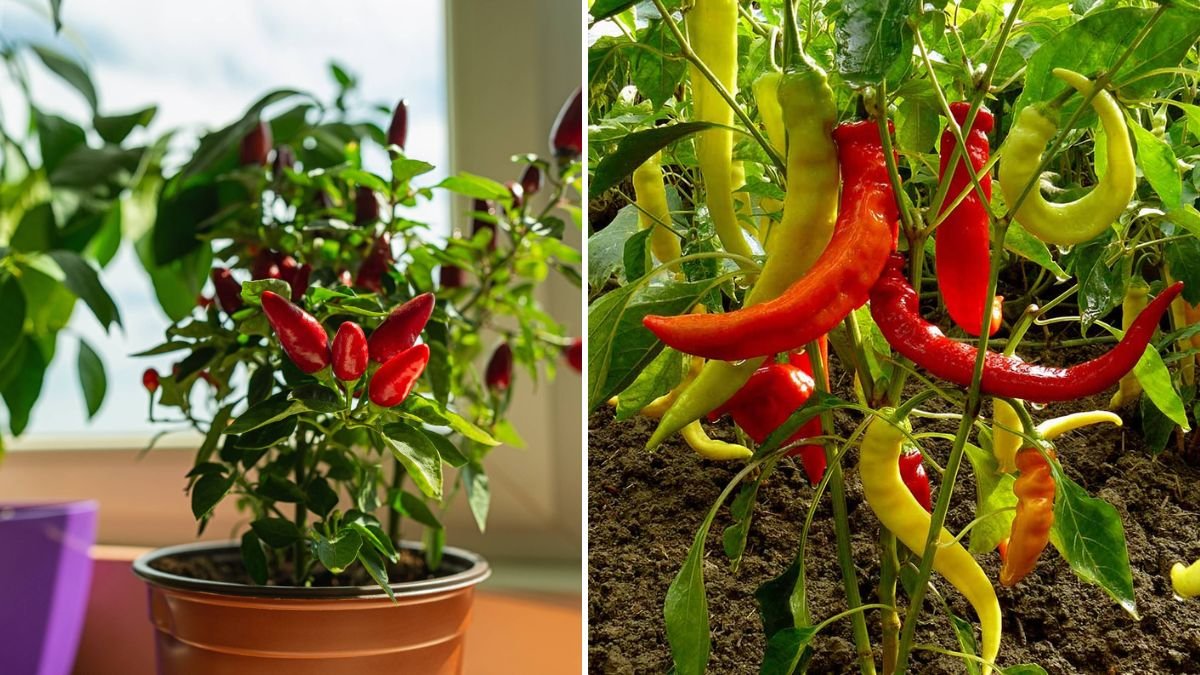
Chili peppers are one of the most popular and versatile vegetables in the world. From adding heat to your favorite dishes to providing health benefits like boosting metabolism and immunity, growing chili peppers at home is both rewarding and fun. Whether you have a backyard garden, balcony, or even a small terrace, learning how to grow chili peppers allows you to enjoy fresh, spicy fruits all year round.
This guide will cover everything from selecting the right variety, planting, watering, fertilizing, pest management, pruning, and harvesting, so you can cultivate healthy, high-yield chili plants.
Why Grow Chili Peppers at Home?
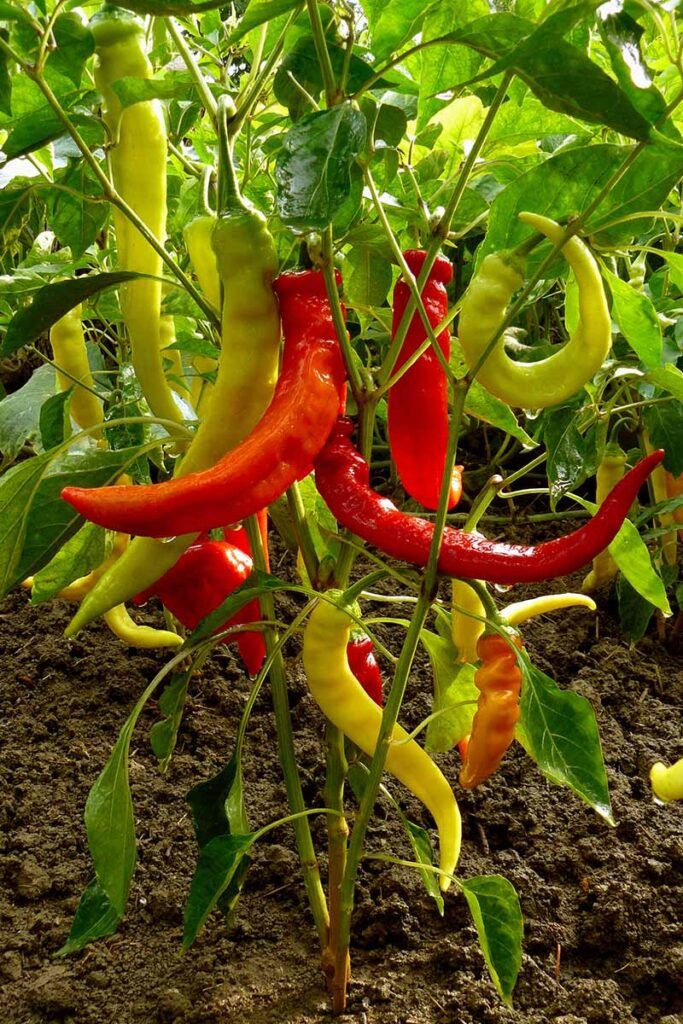
Growing chili peppers at home has many advantages:
- Fresh and chemical-free produce – Avoid pesticides and enjoy pure, organic chili
- Health benefits – Rich in vitamin C, antioxidants, and capsaicin
- Cost-effective – Save money compared to buying from the market
- Compact and versatile – Suitable for pots, containers, or backyard gardens
- Therapeutic gardening – Gardening reduces stress and promotes relaxation
With proper care, a single chili plant can produce dozens of fruits over several months, giving you a continuous supply of spice.
Choosing the Right Chili Variety
Selecting the right chili variety is essential for a successful harvest. Some popular types include:
1. Cayenne Chili
- Long, slender, and very hot
- Ideal for cooking, drying, or making chili powder
2. Jalapeño
- Medium-sized, moderately hot
- Perfect for fresh consumption, pickling, or sauces
3. Bird’s Eye Chili
- Small, extremely hot, and flavorful
- Suitable for tropical climates and container growing
4. Bell Chili (Sweet Pepper)
- Mild or no heat
- Ideal for salads, stuffing, and kids’ dishes
Choose a variety based on your taste preference, climate, and available growing space.
Best Time to Grow Chili Peppers
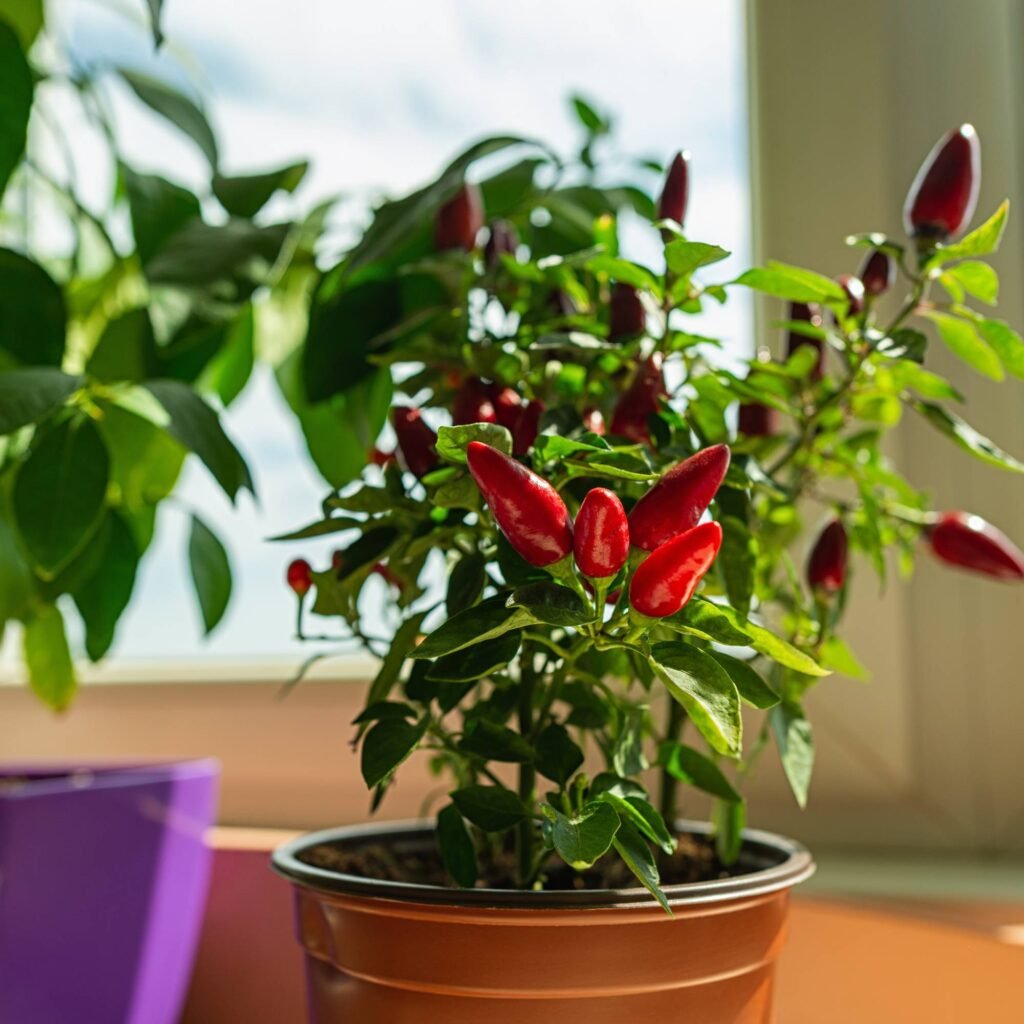
Chili peppers thrive in warm climates.
- Sowing season: Late winter to early spring
- Optimal temperature: 20–30°C for germination and growth
- Avoid frost: Chili plants are sensitive to cold and will not survive freezing temperatures
Starting seeds indoors and transplanting seedlings after the last frost ensures strong plants.
Soil Requirements
Healthy soil ensures strong chili plants and abundant fruits.
Ideal Soil Conditions:
- Type: Well-draining sandy loam or loamy soil
- pH: Slightly acidic to neutral (6.0–7.0)
- Nutrient-rich: Add organic compost, cow dung, or vermicompost
Soil Preparation Steps:
- Remove weeds, rocks, and debris from the planting site
- Mix in compost or organic manure
- Ensure the soil is loose and aerated for proper root development
For containers, use a mix of garden soil, compost, and cocopeat or sand for optimal drainage.
Planting Chili Peppers
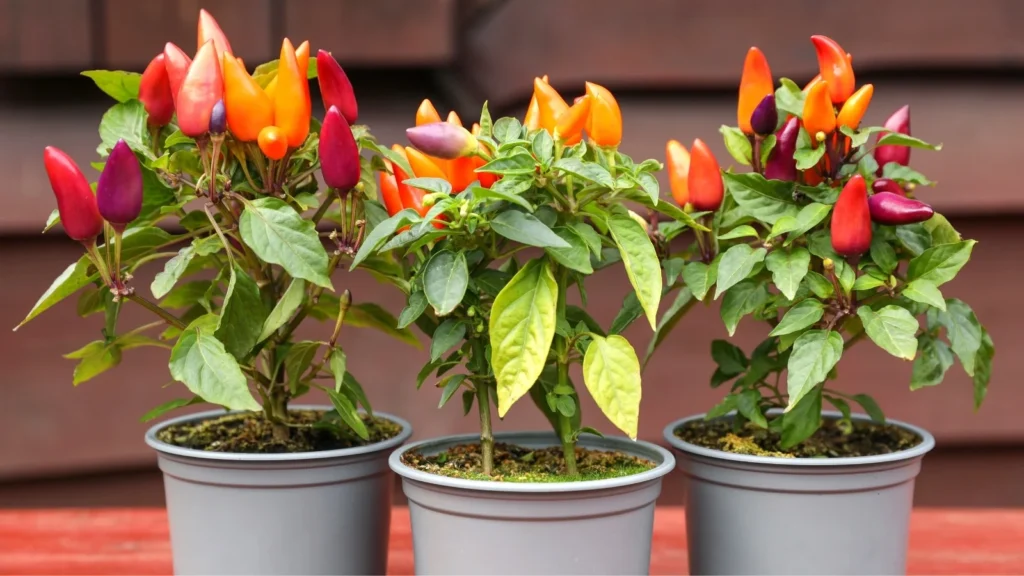
Chili peppers can be grown from seeds or seedlings.
1. Planting from Seeds
- Soak seeds in water for 6–12 hours to improve germination
- Sow seeds 0.5–1 cm deep in seed trays or small pots
- Keep soil consistently moist and maintain a warm environment
- Germination occurs within 7–14 days depending on temperature
2. Transplanting Seedlings
- Transplant seedlings when they have 4–6 true leaves
- Dig holes about 30–40 cm apart in garden beds or large pots
- Place the seedling gently and backfill with soil
- Water immediately to help roots settle
Watering Chili Plants
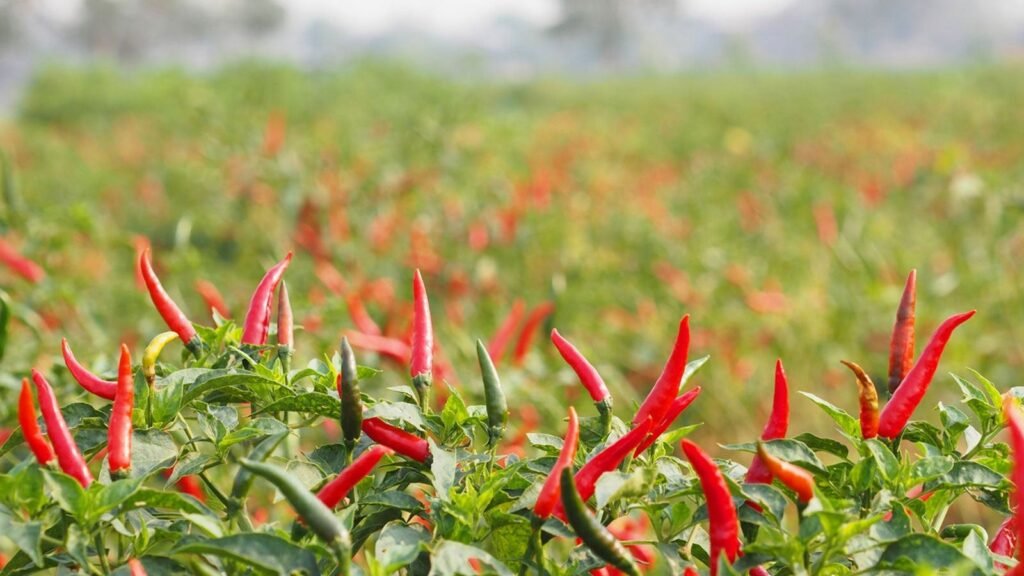
Proper watering is essential for healthy chili plants:
- Young plants: Water every 2–3 days to keep soil moist
- Mature plants: Water deeply 1–2 times per week, depending on rainfall and temperature
- Avoid overwatering: Too much water can cause root rot or fungal diseases
- Mulching: Apply straw or dry leaves around the base to retain moisture and regulate soil temperature
Consistent watering ensures strong plants, healthy flowers, and spicy fruits.
Fertilizing Chili Peppers
Chili plants are moderate feeders, requiring balanced nutrition for growth and fruiting.
Recommended Fertilizers:
- Organic: Compost, cow dung, vermicompost
- Chemical: NPK 10:10:10 or 20:20:20
- Micronutrients: Calcium and magnesium for strong stems and flower development
Fertilization Schedule:
- At planting: Mix 1–2 kg compost per square meter
- During vegetative growth: Apply NPK every 3–4 weeks
- During flowering and fruiting: Use potash-rich fertilizer to promote fruit development
Proper fertilization ensures spicy, flavorful, and abundant chilies.
Flowering and Pollination
Chili plants produce small white or yellow flowers before fruiting.
- Pollination: Usually done by bees and insects naturally
- Hand pollination: Use a soft brush to transfer pollen if natural pollinators are scarce
- Flower care: Remove any damaged or diseased flowers to focus energy on healthy fruits
Well-pollinated flowers lead to higher fruit set and larger chilies.
Pruning Chili Plants
Pruning helps improve airflow, control plant size, and promote fruiting:
- Remove dead or yellow leaves
- Pinch off weak or crowded shoots
- Maintain a compact shape for better sunlight exposure
Pruning encourages strong branches and better fruit production.
Pests and Disease Management
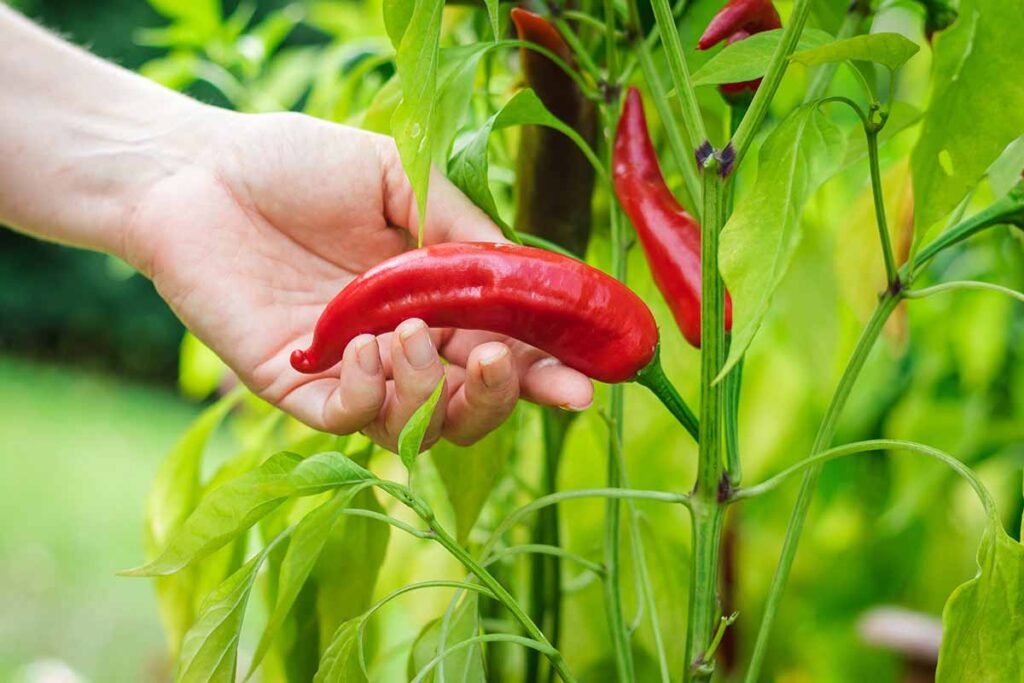
Chili plants can be affected by common pests and diseases.
Pests:
- Aphids: Spray neem oil or insecticidal soap
- Whiteflies: Use sticky traps or neem solution
- Thrips: Apply horticultural oil or neem-based insecticides
Diseases:
- Powdery Mildew: White powder on leaves; treat with sulfur-based fungicide
- Damping-off (seedling stage): Avoid waterlogged soil; use fungicide if needed
- Bacterial Leaf Spot: Remove infected leaves and spray copper-based fungicide
Proper care, spacing, and sanitation prevent most problems.
Harvesting Chili Peppers
- Chilies can be harvested green or red, depending on the variety and desired flavor
- Harvest regularly to encourage new growth and continuous fruiting
- Use scissors or gently twist to remove chilies without damaging the plant
Mature chilies usually appear 60–90 days after flowering, depending on variety and climate.
Growing Chilies in Containers
Chilies are ideal for container gardening:
- Pot size: Minimum 10–15 liters
- Soil mix: Garden soil + compost + sand or cocopeat
- Sunlight: Full sun for at least 6 hours a day
- Watering: Keep soil moist but avoid waterlogging
- Support: Stake tall plants to prevent bending or breaking
Container chilies are perfect for balconies, terraces, and urban gardens.
Tips for Higher Yield and Spicier Chilies
- Use healthy seeds or grafted seedlings for better results
- Apply mulch to retain moisture and reduce weeds
- Maintain full sunlight exposure
- Water and fertilize consistently
- Regularly prune and remove damaged leaves or flowers
- Harvest chilies frequently to promote continuous production
By following these tips, you can enjoy spicy, flavorful chilies all year long.
Final Thoughts
Growing chili peppers is a rewarding and exciting experience for gardeners of all levels. With proper care, sunlight, water, fertilization, and pest management, anyone can cultivate healthy, high-yield chili plants at home.
Whether you’re using garden beds, pots, or balcony containers, consistent attention to watering, pruning, and harvesting ensures juicy, spicy chilies that add flavor and health benefits to your meals.