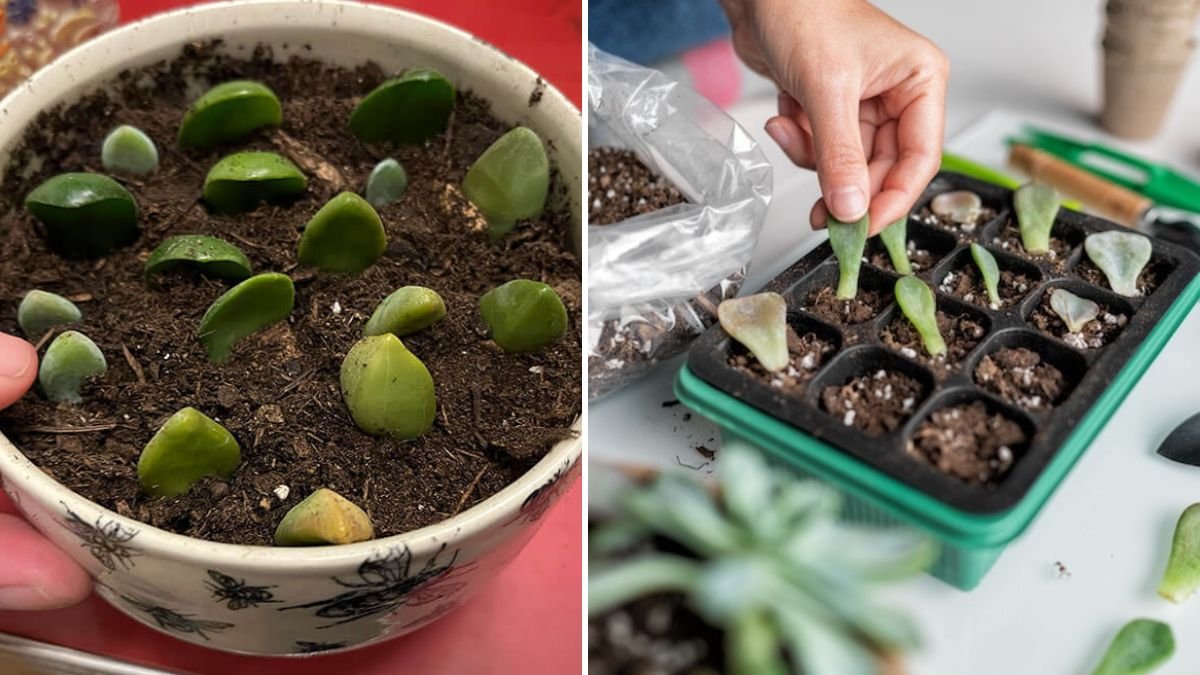
Propagation is the key to multiplying your favorite plants, whether you want to grow vegetables, fruits, or ornamental plants. Traditional propagation methods—such as planting seeds or taking simple cuttings—work, but modern techniques and innovative ideas can dramatically improve success rates, speed up growth, and ensure healthier, stronger plants.
In this article, we’ll explore new ideas for propagating plants, covering advanced techniques, step-by-step instructions, and tips to boost plant survival. By following these strategies, gardeners can multiply their plants efficiently and enjoy higher yields or more beautiful landscapes.
1. Why Modern Propagation Methods Matter
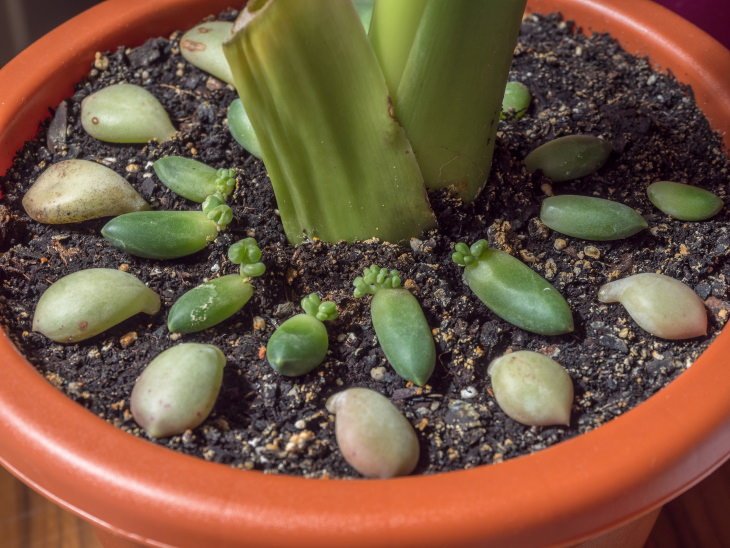
Traditional propagation methods have limitations:
- Slow growth rates
- Low success rates for certain plants
- High susceptibility to pests and diseases
- Uneven or unpredictable plant quality
By adopting innovative propagation techniques, gardeners can overcome these challenges. Modern propagation is designed to maximize efficiency, improve plant quality, and save time, making it ideal for both hobbyists and commercial growers.
2. Propagating from Stem Cuttings
Stem cuttings are one of the easiest and most versatile ways to propagate plants. Modern techniques enhance their success rate.
Step-by-Step Method:
- Select a healthy, disease-free parent plant.
- Take semi-hardwood or softwood cuttings about 10–15 cm long.
- Remove lower leaves and dip the cut end in rooting hormone.
- Plant the cutting in a well-draining medium (perlite, sand, or soil mix).
- Maintain humidity using a plastic cover or mini-greenhouse.
New Idea: Use hormone powders or gels enriched with natural growth stimulants to encourage faster root development.
Secret Advantage: Modern stem-cutting propagation can increase rooting success to over 90%, even for traditionally difficult plants.
3. Air Layering

Air layering is a technique that allows a branch to form roots while still attached to the parent plant. This method works well for trees and shrubs.
Steps for Air Layering:
- Select a healthy branch and make a small wound or ring on the stem.
- Apply rooting hormone to the exposed area.
- Wrap with moist sphagnum moss and cover with plastic to retain humidity.
- After 4–8 weeks, roots develop, and the branch can be cut and planted.
New Idea: Combine air layering with natural growth boosters like coconut water or liquid seaweed extract to improve root formation.
Secret Advantage: Produces strong, independent plants quickly without disturbing the parent plant.
4. Grafting and Budding Techniques
Grafting and budding are especially effective for fruit trees, roses, and certain ornamental plants. These methods produce plants true to the parent type and can improve disease resistance.
Popular Modern Grafting Techniques:
- Cleft Grafting: Best for young rootstocks and ensures strong union.
- Side Veneer Grafting: Works for slightly older plants and thick stems.
- T-Budding or Chip Budding: Useful for fruit trees like mango, guava, and citrus.
New Idea: Use transparent grafting tape and wax for better monitoring and improved survival rates. Some gardeners also use grafting chambers with controlled humidity to accelerate healing.
Secret Advantage: Grafting ensures early fruiting, uniform plant quality, and increased disease resistance.
5. Micropropagation (Tissue Culture)
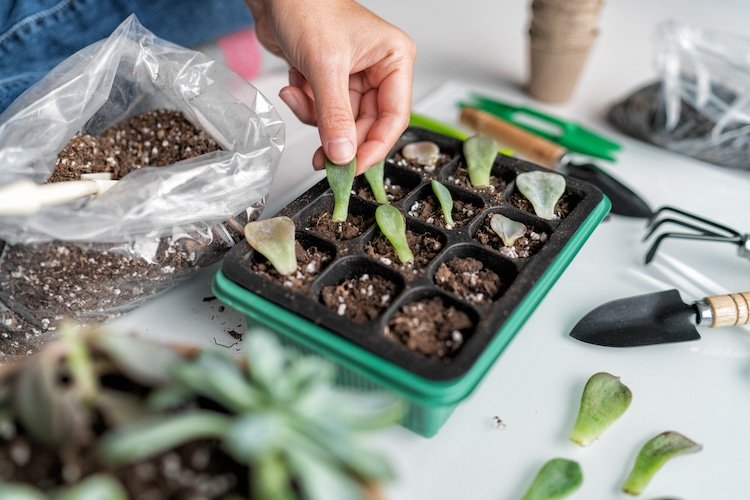
Micropropagation is a cutting-edge technique used in professional horticulture and research. It involves growing plants from tiny tissue samples in a sterile environment.
Steps for Micropropagation:
- Select a healthy plant and take a small tissue sample.
- Sterilize the sample to prevent contamination.
- Place tissue in a nutrient-rich agar medium with growth hormones.
- Transfer the new plantlets to soil once roots and shoots develop.
New Idea: Small-scale home versions of tissue culture kits are now available, making it accessible for serious hobbyists.
Secret Advantage: Produces disease-free, uniform plants in large quantities in a fraction of the time of traditional methods.
6. Seed Propagation with a Twist
While seed propagation is common, modern techniques can increase germination rates and plant health.
Tips for Modern Seed Propagation:
- Pre-soaking seeds in water or natural stimulants like aloe vera gel speeds germination.
- Scarification: Lightly scratch hard seeds to allow water absorption.
- Cold Stratification: Mimics winter conditions for seeds that require dormancy.
- Use seedling trays with controlled humidity and warmth for faster sprouting.
Secret Advantage: Even difficult-to-germinate seeds can sprout reliably with these modern treatments.
7. Hydroponic Propagation
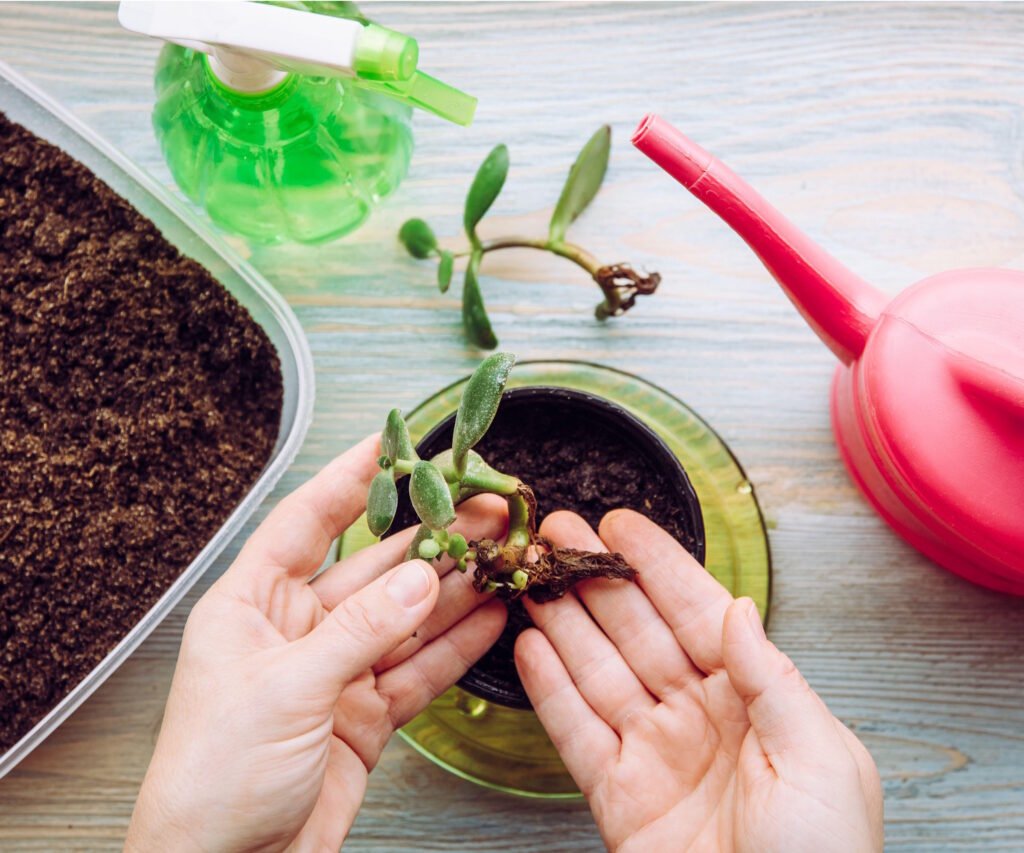
Hydroponics isn’t just for growing plants; it’s also effective for propagating them.
Steps for Hydroponic Propagation:
- Place cuttings or seedlings in a nutrient-rich water solution.
- Maintain oxygen levels using air pumps.
- Change water regularly to prevent fungal infections.
- Transplant to soil or hydroponic systems once roots are well-developed.
New Idea: Add natural rooting stimulants like coconut water or aloe vera extract to the solution for faster growth.
Secret Advantage: Hydroponic propagation allows faster rooting, stronger plants, and easy observation of root development.
8. Layering Techniques
Layering allows you to propagate plants without cutting off a branch. Modern twists make it easier and faster.
Types of Layering:
- Simple Layering: Bend a low branch to soil, cover part with soil, and allow roots to form.
- Mound Layering: Plant multiple shoots under soil mounds to propagate several plants at once.
- Serpentine Layering: For vines and creeping plants; alternate nodes are buried to create multiple plants.
New Idea: Wrap the buried portion with moist moss and biodegradable materials to retain humidity and promote faster root formation.
Secret Advantage: Layering produces strong, well-established plants while keeping them connected to the parent.
9. Care and Aftercare for Propagated Plants
Regardless of the propagation method, aftercare is crucial:
- Keep newly propagated plants in humid, shaded environments.
- Water carefully to avoid root rot.
- Gradually acclimate plants to full sunlight.
- Fertilize lightly to encourage root and shoot growth.
- Monitor for pests and diseases.
Secret Advantage: Proper aftercare ensures high survival rates, strong growth, and faster fruiting or flowering.
10. Benefits of Using New Propagation Ideas
By adopting modern propagation techniques, you gain multiple advantages:
- Faster plant growth and fruiting
- Higher survival and success rates
- Stronger, healthier, and disease-resistant plants
- Ability to multiply rare or high-value plants
- Efficient use of space and resources
Whether you are a hobbyist or a commercial grower, these techniques make propagation more predictable, sustainable, and productive.
Conclusion: Embrace Innovation in Plant Propagation
Propagating plants has come a long way from traditional seed planting and simple cuttings. With new ideas for propagating, including advanced cutting techniques, air layering, grafting, tissue culture, and hydroponics, you can multiply your favorite plants quickly, efficiently, and successfully.
These modern methods not only save time but also ensure strong, disease-resistant plants with high yield potential. By experimenting with these techniques and adapting them to your garden, you can transform your plant collection, enjoy bountiful harvests, and take your gardening skills to the next level.
Start applying these ideas today, and watch your plants thrive like never before!