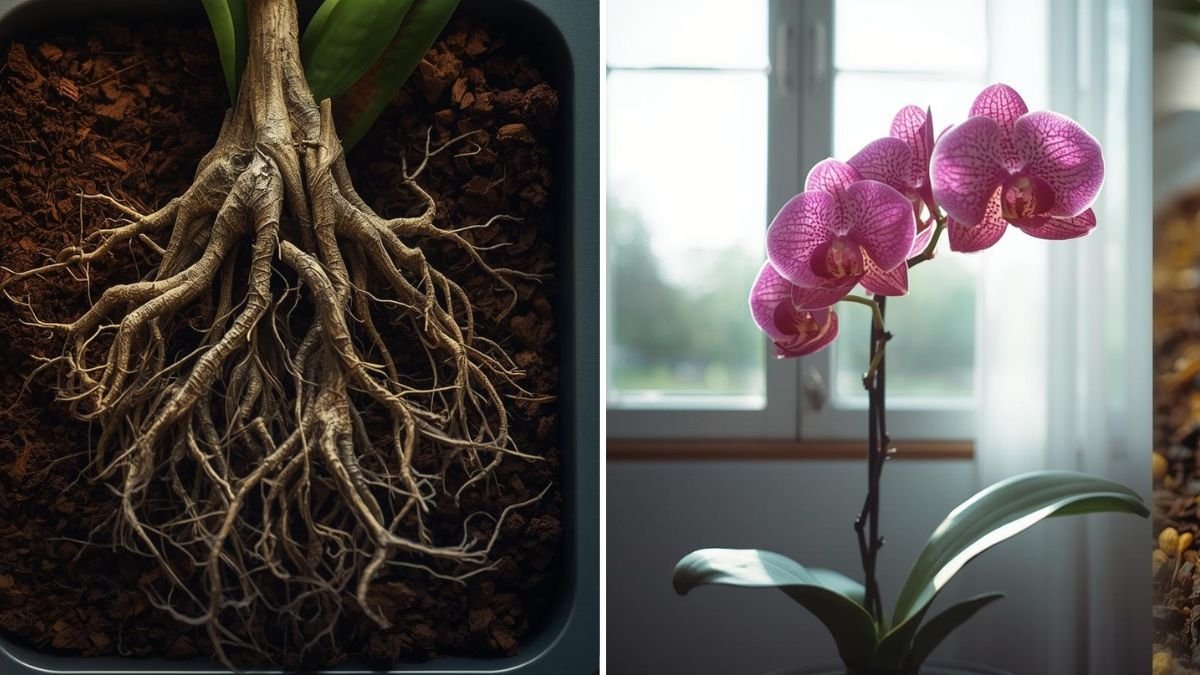
Orchids are admired worldwide for their elegant blooms and long-lasting flowers when cared for properly. Many indoor orchid owners struggle when blooms fade quickly or fail to return. Understanding orchid biology helps solve this problem. Orchids bloom longer when their natural environment is mimicked indoors. Light, water, temperature, and humidity all influence blooming duration. Proper care reduces stress on the plant. Stress-free orchids conserve energy for flowers. With the right approach, orchids can bloom beautifully for months.
Paragraph 1: Understanding Orchid Bloom Cycles
Orchids bloom in natural cycles. Flowers do not last forever. Each bloom phase serves a purpose. Rest periods are normal. Many beginners misinterpret dormancy as failure. Blooming length depends on species. Phalaenopsis blooms longest indoors. Understanding cycles prevents frustration.
Paragraph 2: Choosing the Right Orchid Variety for Indoor Blooming
Not all orchids bloom equally indoors. Phalaenopsis orchids adapt well to homes. Dendrobium orchids prefer brighter light. Oncidium orchids enjoy humidity. Selecting the right type increases success. Indoor-friendly varieties bloom longer. Choice matters significantly.
Paragraph 3: Proper Light Exposure for Extended Blooming
Light fuels orchid flowering. Bright indirect light is ideal. Direct sunlight burns leaves. Low light shortens blooms. East-facing windows work best. Artificial grow lights help. Balanced light encourages longevity.
Paragraph 4: Correct Watering Techniques for Orchids
Overwatering is the top cause of bloom loss. Orchids prefer drying slightly between watering. Roots need oxygen. Waterlogged roots rot quickly. Use room-temperature water. Morning watering is best. Consistency supports blooms.
Paragraph 5: Importance of Humidity for Bloom Retention
Orchids are tropical plants. Indoor air is often too dry. Humidity helps flowers last longer. Pebble trays raise moisture. Grouping plants increases humidity. Avoid misting blooms directly. Stable humidity is essential.
Paragraph 6: Temperature Control for Long-Lasting Blooms
Temperature stability extends flowering. Orchids dislike sudden changes. Ideal daytime temperatures are moderate. Night temperatures should be slightly cooler. Avoid heaters and air conditioners. Consistent warmth supports bloom longevity.
Paragraph 7: Feeding Orchids Without Forcing Bloom Drop
Proper feeding strengthens blooms. Use diluted orchid fertilizer. Feed during active growth. Avoid fertilizing dry roots. Overfeeding causes salt buildup. Balanced nutrition supports flower life. Gentle feeding is key.
Paragraph 8: Table – Ideal Orchid Care Conditions Indoors
Care Aspect
Bright indirect light
Light weekly watering
Moderate humidity levels
Stable warm temperatures
Paragraph 9: Table – Common Orchid Care Mistakes
Mistake
Overwatering roots
Direct harsh sunlight
Low humidity air
Temperature fluctuations
Paragraph 10: Potting Media and Its Role in Bloom Health
Orchids do not grow in soil. Bark-based mixes provide airflow. Old media breaks down over time. Compacted media suffocates roots. Fresh potting mix improves health. Healthy roots support blooms. Repotting is important.
Paragraph 11: Air Circulation and Its Effect on Flowers
Gentle airflow prevents disease. Stagnant air causes rot. Fans improve circulation. Avoid strong drafts. Fresh air strengthens plants. Bloom quality improves with airflow.
Paragraph 12: Supporting Flower Spikes Correctly
Flower spikes need support. Stakes prevent bending. Proper support prevents stress. Avoid tying too tightly. Upright spikes last longer. Gentle care preserves blooms.
Paragraph 13: Managing Orchid Stress Factors Indoors
Stress shortens blooming time. Sudden moves cause shock. Low light stresses plants. Dry air weakens blooms. Gentle handling reduces stress. Stable conditions are essential.
Paragraph 14: Post-Bloom Care for Future Flowers
Do not discard orchids after blooming. Trim spikes properly. Continue care routines. Rest periods are necessary. Healthy leaves store energy. Good care ensures reblooming.
Paragraph 15: Cleaning Orchid Leaves for Better Photosynthesis
Dust blocks light absorption. Clean leaves gently. Use damp cloth only. Avoid leaf shine products. Clean leaves improve energy. Strong plants bloom longer.
Paragraph 16: Seasonal Orchid Care Adjustments
Light changes seasonally. Water needs shift. Winter growth slows. Summer humidity increases. Adjust care accordingly. Seasonal awareness improves results.
Paragraph 17: Preventing Diseases That Shorten Bloom Life
Fungal infections reduce flowers. Proper watering prevents disease. Remove infected parts promptly. Clean tools before use. Healthy plants maintain blooms longer.
Paragraph 18: Encouraging Reblooming Indoors
Reblooming requires patience. Temperature drops at night help. Proper light triggers spikes. Consistent care matters. Reblooming is achievable indoors.
Paragraph 19: Long-Term Benefits of Proper Orchid Care
Healthy orchids live for years. Bloom cycles improve annually. Care routines become simple. Confidence grows with success. Orchids reward patience generously.
Paragraph 20: Final Thoughts
Keeping orchids blooming longer indoors is achievable. Proper care makes a visible difference. Small habits have big impact. Orchids thrive with consistency. Long-lasting blooms bring elegance indoors. Care transforms results.