
Fig trees are prized for their sweet fruit and ornamental beauty. In colder climates, winter protection is essential. Overwintering helps preserve branches that produce fruit. Without protection, figs may suffer dieback. Proper overwintering ensures earlier harvests. Healthy trees produce better yields. Winter care prevents stress damage. Understanding overwintering methods leads to long-term success.
Paragraph 1: Understanding Fig Tree Cold Sensitivity
Fig trees prefer warm climates. Cold damages young wood. Roots are especially vulnerable. Mature trees tolerate mild frost. Severe cold causes dieback. Knowing limits helps planning. Protection preserves productivity.
Paragraph 2: Determining Your Climate and Hardiness Zone
Climate determines overwintering method. Mild zones need minimal care. Cold zones require protection. Hardiness zones guide decisions. Local weather matters. Planning reduces risk. Awareness improves outcomes.
Paragraph 3: Preparing Fig Trees Before Winter Arrives
Preparation begins in fall. Stop fertilizing early. Reduce watering gradually. Remove weak growth. Healthy trees handle cold better. Preparation strengthens structure.
Paragraph 4: Pruning Fig Trees for Winter Protection
Light pruning is recommended. Remove dead branches. Avoid heavy pruning. Pruning reduces stress. Balanced shape resists damage. Proper cuts improve recovery.
Paragraph 5: Mulching to Protect Fig Tree Roots
Mulch insulates soil. Use straw or leaves. Apply thick layers. Mulch prevents freeze damage. Roots remain stable. Natural materials work best.
Paragraph 6: Wrapping Outdoor Fig Trees
Wrapping protects branches. Use burlap or blankets. Secure loosely for airflow. Avoid plastic touching bark. Wrapping shields from frost. Gentle protection is effective.
Paragraph 7: Bending and Burying Fig Trees in Cold Regions
Some gardeners bend trees down. Trench is dug beside tree. Tree is gently lowered. Soil covers branches. This method offers maximum protection. Traditional technique works well.
Paragraph 8: Table – Fig Tree Overwintering Methods by Climate
Climate Type
Mild zones mulching only
Moderate zones wrapping required
Cold zones bending and burying
Container trees indoor storage
Paragraph 9: Overwintering Fig Trees in Containers
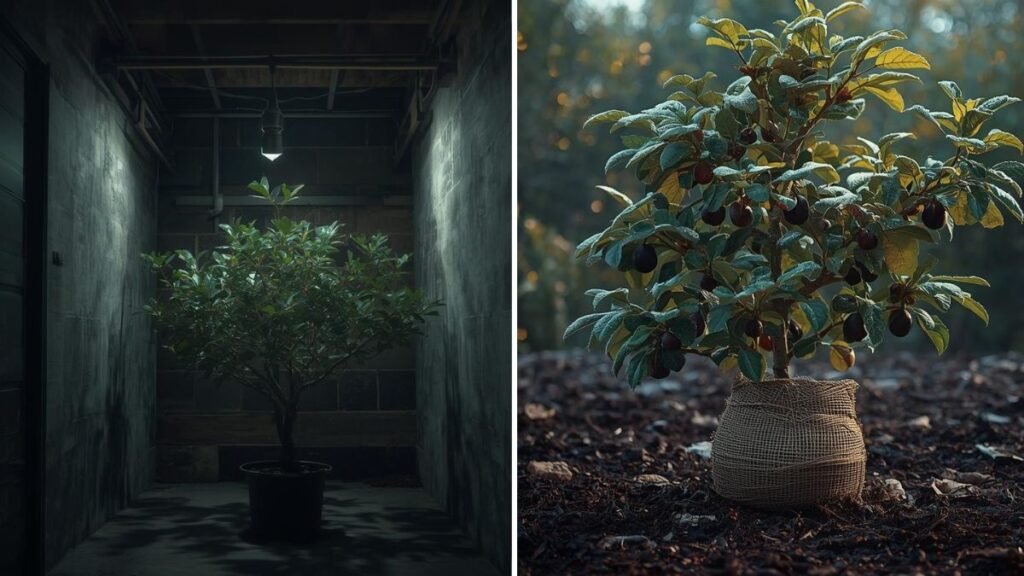
Container figs are portable. Move indoors before frost. Cool dark spaces work well. Basements are ideal. Water sparingly. Dormancy is natural.
Paragraph 10: Indoor Storage Conditions for Fig Trees
Temperature should remain cool. Avoid warm rooms. Darkness encourages dormancy. Minimal light is acceptable. Consistent conditions prevent stress.
Paragraph 11: Watering Fig Trees During Dormancy
Dormant trees need little water. Overwatering causes root rot. Soil should stay barely moist. Check monthly. Careful watering preserves roots.
Paragraph 12: Monitoring for Pests and Diseases in Winter
Inspect trees regularly. Remove pests promptly. Clean fallen leaves. Dormant trees can still harbor insects. Prevention is important.
Paragraph 13: When and How to Unwrap Fig Trees in Spring
Unwrap gradually as temperatures rise. Avoid sudden exposure. Monitor weather forecasts. Gradual transition prevents shock. Spring care supports growth.
Paragraph 14: Spring Pruning After Winter Protection
Remove winter damage. Shape tree gently. Encourage new growth. Avoid over-pruning. Healthy pruning boosts fruiting.
Paragraph 15: Fertilizing Fig Trees After Winter
Resume feeding in spring. Use balanced fertilizer. Avoid excess nitrogen. Support leaf and fruit growth. Nutrients restore vigor.
Paragraph 16: Common Overwintering Mistakes to Avoid
Overwatering is common. Wrapping too tightly traps moisture. Ignoring rodents causes damage. Late protection risks frost injury. Avoid mistakes for success.
Paragraph 17: Benefits of Proper Overwintering
Earlier fruit production occurs. Strong branches survive. Tree lifespan increases. Stress is reduced. Reliable harvests follow good care.
Paragraph 18: Overwintering Young Versus Mature Fig Trees
Young trees need extra care. Mature trees are tougher. Adjust methods accordingly. Age influences resilience. Tailored care improves results.
Paragraph 19: Long-Term Fig Tree Health and Productivity
Consistent winter care builds resilience. Trees adapt over time. Annual protection becomes routine. Long-term productivity improves. Effort pays off.
Paragraph 20: Final Thoughts
Overwintering fig trees is essential in cold regions. Proper techniques ensure survival and fruiting. With preparation, figs thrive year after year. Winter care protects investment. Healthy trees reward patience. Successful overwintering leads to abundant harvests.