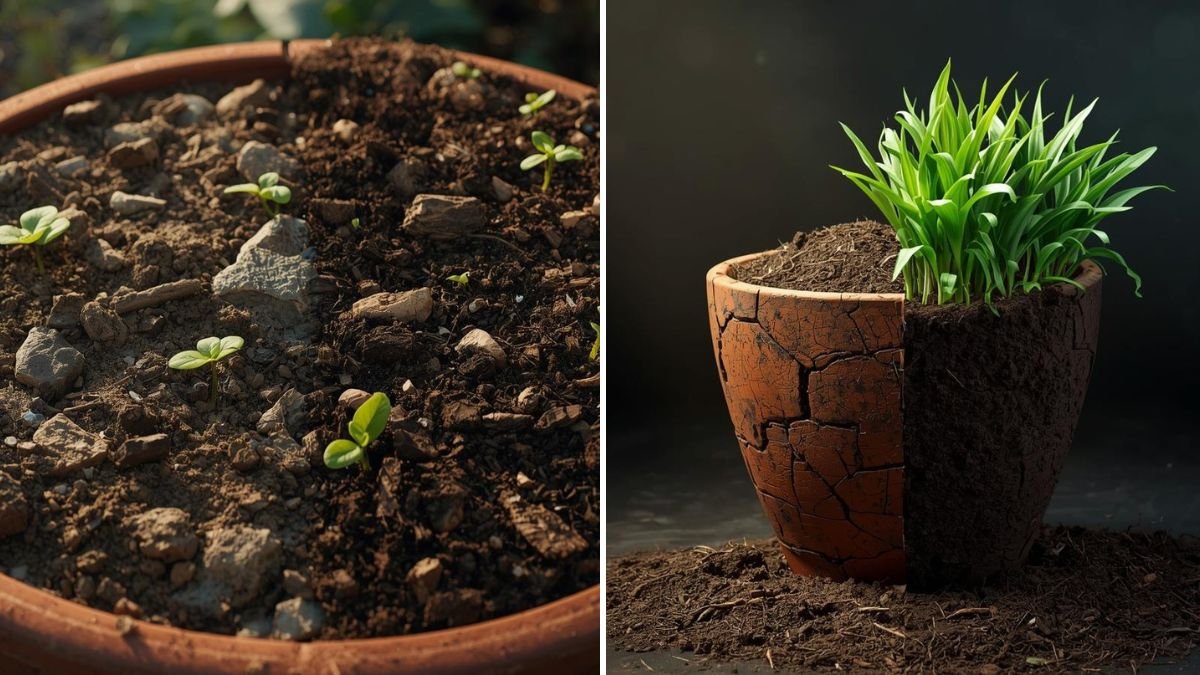
Soil is the foundation of healthy plant growth, yet it often becomes depleted after repeated use. Old soil loses nutrients, structure, and beneficial microbes. Compacted soil restricts root development. Plants struggle when soil becomes lifeless. Revitalizing soil restores its productivity. Healthy soil improves water retention and drainage. Reviving soil is cost-effective and sustainable. With proper techniques, old soil becomes fertile again.
Paragraph 1: Signs That Your Soil Needs Refreshing
Poor plant growth is a warning sign. Yellow leaves indicate nutrient loss. Soil may feel compacted. Water may pool on surface. Roots struggle to expand. Weeds may dominate. Recognizing signs prevents plant decline.
Paragraph 2: Understanding Soil Nutrient Depletion
Plants absorb nutrients continuously. Reused soil becomes depleted. Fertilizers alone are not enough. Organic matter breaks down. Microbial life declines. Balanced nutrients are essential. Soil biology matters greatly.
Paragraph 3: Removing Old Roots and Debris
Old roots block space. Dead plant matter attracts pests. Removing debris improves airflow. Clean soil encourages new growth. This step resets soil health. Preparation is critical.
Paragraph 4: Breaking Up Compacted Soil Properly
Compacted soil suffocates roots. Loosening improves drainage. Use hand tools gently. Avoid crushing soil structure. Aeration restores oxygen. Roots thrive in loose soil.
Paragraph 5: Adding Organic Matter for Soil Renewal
Compost enriches soil naturally. It improves texture. Organic matter feeds microbes. Water retention improves. Nutrients release slowly. Compost is essential for renewal.
Paragraph 6: Rebalancing Soil Texture and Drainage
Different plants need different textures. Sand improves drainage. Coconut coir retains moisture. Balanced mixes support roots. Texture affects water flow. Adjust soil accordingly.
Paragraph 7: Reintroducing Beneficial Microorganisms
Healthy soil contains microbes. Compost tea boosts biology. Worm castings add enzymes. Microbes break down nutrients. Living soil supports strong plants. Biological balance is key.
Paragraph 8: Table – Materials to Revitalize Old Soil
Material
Compost organic nutrients
Worm castings microbial boost
Perlite drainage improvement
Coconut coir moisture retention
Paragraph 9: Table – Soil Problems and Solutions
Soil Issue
Compaction loosen and aerate
Nutrient loss add compost
Poor drainage add perlite
Low biology add microbes
Paragraph 10: Adjusting Soil pH for Plant Health
pH affects nutrient availability. Old soil may shift pH. Testing reveals imbalance. Lime raises pH. Sulfur lowers pH. Balanced pH improves uptake.
Paragraph 11: Fertilizing Revitalized Soil Correctly
Slow-release fertilizers work best. Avoid chemical overload. Organic fertilizers support soil life. Feeding should be moderate. Balanced nutrition sustains growth.
Paragraph 12: Refreshing Soil in Pots and Containers
Container soil depletes quickly. Remove top layer annually. Replace with fresh mix. Containers benefit greatly. Refreshing prevents root binding. Plants respond quickly.
Paragraph 13: Reusing Garden Bed Soil Effectively
Garden soil needs rotation. Adding compost yearly restores fertility. Avoid monocropping. Mulching protects soil. Beds stay productive longer.
Paragraph 14: Solarizing Old Soil to Kill Pathogens
Solarization uses sunlight. Plastic traps heat. Pathogens are eliminated. This method is chemical-free. Warm climates benefit most. Clean soil supports health.
Paragraph 15: Preventing Future Soil Degradation
Avoid overwatering. Rotate crops. Add organic matter regularly. Protect soil structure. Healthy habits maintain soil quality.
Paragraph 16: Seasonal Soil Refreshing Practices
Spring renewal boosts growth. Fall amendments prepare beds. Seasonal care balances nutrients. Timing improves effectiveness.
Paragraph 17: Common Mistakes When Revitalizing Soil
Over-fertilizing harms microbes. Ignoring drainage causes rot. Skipping debris removal reduces success. Poor mixing creates imbalance. Avoid rushing the process.
Paragraph 18: Benefits of Revitalized Soil for Plants
Plants grow stronger. Roots expand easily. Flowering improves. Water efficiency increases. Soil life flourishes. Gardens thrive naturally.
Paragraph 19: Long-Term Soil Health Strategies
Healthy soil requires care. Composting is essential. Mulching protects surface. Consistent practices maintain fertility. Long-term results improve yields.
Paragraph 20: Final Thoughts
Refreshing old soil restores plant vitality. Simple steps create dramatic improvement. Healthy soil supports healthy plants. Sustainability saves money. Revitalized soil transforms gardens. Good soil care ensures success.