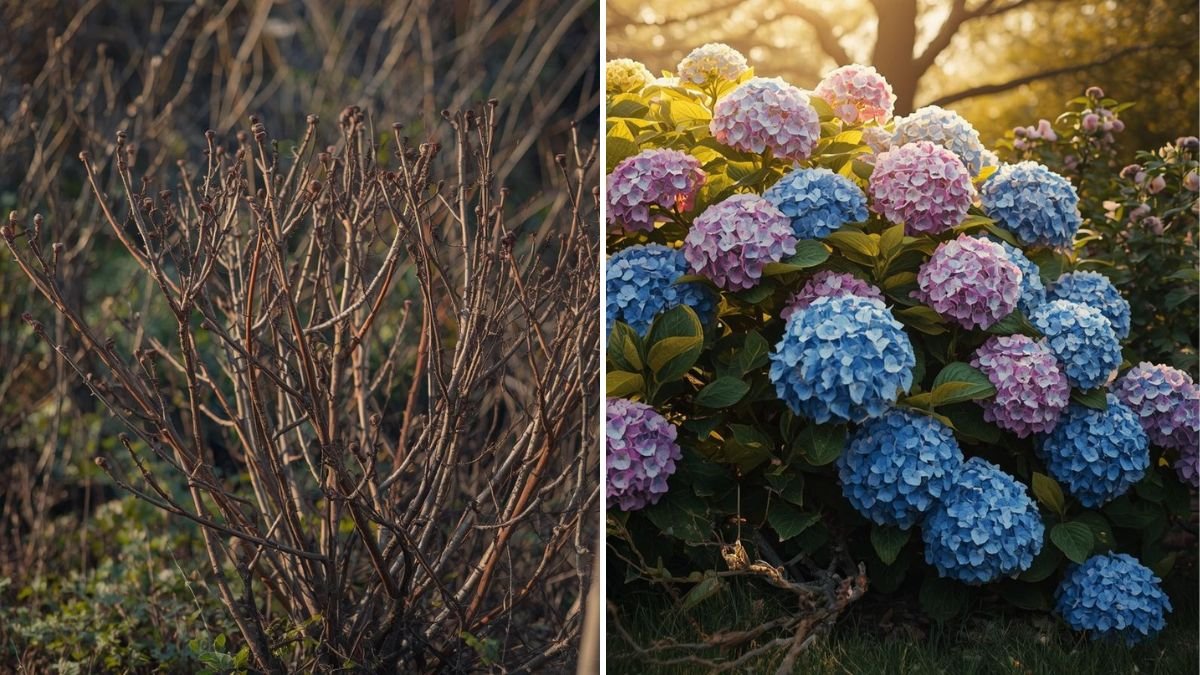
Hydrangeas are among the most loved flowering shrubs in home gardens. Their large, colorful blooms add beauty and elegance to landscapes. However, many gardeners struggle with pruning hydrangeas correctly. Pruning at the wrong time can reduce or completely stop flowering. Understanding the best time to prune ensures bigger and healthier blooms. Each hydrangea type has unique pruning needs. Seasonal timing plays a critical role in flower development. This guide explains when and how to prune hydrangeas for consistent blooms.
Understanding Different Types of Hydrangeas
Not all hydrangeas bloom the same way. Some flower on old wood, while others bloom on new wood. Bigleaf hydrangeas store buds from the previous season. Panicle hydrangeas bloom on current year growth. Identifying the type is essential before pruning. Misidentification leads to poor flowering. Leaf shape and bloom form offer clues. Knowing your hydrangea type ensures pruning success.
What Old Wood and New Wood Mean
Old wood refers to growth from the previous year. Buds form on this wood during late summer. New wood develops in the current growing season. Flowers form later on fresh growth. Pruning old wood types too late removes buds. New wood types are more forgiving. Understanding this difference guides timing decisions. Correct pruning protects flower buds.
Best Time to Prune Bigleaf Hydrangeas
Bigleaf hydrangeas bloom on old wood. Pruning should be minimal and done after flowering. Late summer pruning allows buds to form. Avoid pruning in fall or winter. Dead or damaged stems can be removed in spring. Heavy pruning reduces blooms. Light shaping is best. Timing is crucial for success.
Pruning Mountain Hydrangeas Properly
Mountain hydrangeas are similar to bigleaf varieties. They also bloom on old wood. Pruning should occur immediately after flowering. Removing spent blooms encourages energy conservation. Avoid cutting healthy stems. Spring pruning should be limited. These hydrangeas reward gentle care. Proper timing maintains bloom potential.
When to Prune Panicle Hydrangeas
Panicle hydrangeas bloom on new wood. They can be pruned in late winter or early spring. Strong pruning encourages larger blooms. Removing old stems improves airflow. Spring pruning does not harm flowering. These hydrangeas are very forgiving. Annual pruning improves shape. They are ideal for beginners.
Pruning Smooth Hydrangeas for Best Results
Smooth hydrangeas also bloom on new wood. They benefit from hard pruning in early spring. Cutting back stimulates strong growth. Blooms become larger and more abundant. Removing weak stems improves structure. These hydrangeas recover quickly. Consistent pruning enhances appearance. Timing ensures vigorous flowering.
Tools Needed for Pruning Hydrangeas
Sharp pruning shears are essential. Clean tools prevent disease spread. Gloves protect hands during pruning. Loppers help with thicker stems. Disinfect tools between plants. Proper tools make clean cuts. Clean cuts heal faster. Preparation ensures safe pruning.
Step-by-Step Hydrangea Pruning Process
Start by removing dead or damaged stems. Identify old and new growth carefully. Cut above healthy buds. Avoid cutting too much at once. Shape the plant naturally. Remove crossing branches. Step back and assess progress. Slow pruning reduces mistakes.
Common Pruning Mistakes to Avoid
Pruning at the wrong time is common. Cutting all stems drastically reduces blooms. Ignoring plant type leads to failure. Using dull tools damages stems. Pruning too late removes buds. Over-pruning stresses plants. Learning mistakes improves results. Awareness prevents disappointment.
Table Hydrangea Pruning Guide by Type
Hydrangea type bloom wood pruning season pruning intensity Bigleaf old wood after flowering light Panicle new wood late winter heavy Smooth new wood early spring heavy
How Pruning Affects Bloom Size
Pruning directs energy into fewer blooms. Proper cuts encourage stronger stems. Removing weak growth improves flower size. Overcrowding reduces bloom quality. Balanced pruning supports plant health. Timing influences bud development. Bigger blooms result from correct care. Strategic pruning maximizes beauty.
Seasonal Care After Pruning
Water hydrangeas well after pruning. Mulch helps retain moisture. Fertilize lightly during growth. Protect from extreme cold. Monitor new growth carefully. Avoid stress during recovery. Healthy care supports blooms. Maintenance complements pruning.
Climate Considerations for Pruning
Cold climates require cautious pruning. Late frosts can damage buds. Warm climates allow earlier pruning. Local weather patterns matter. Observe plant responses yearly. Adjust timing as needed. Climate awareness improves success. Flexibility is important.
Pruning Hydrangeas in Containers
Container hydrangeas need gentle pruning. Space limits growth potential. Remove only weak or dead stems. Avoid heavy pruning. Timing follows the same rules. Containers dry faster after pruning. Monitor moisture closely. Careful pruning maintains size.
How Often Should Hydrangeas Be Pruned
Most hydrangeas need yearly attention. Light pruning maintains shape. Heavy pruning depends on type. Skipping pruning reduces vigor. Over-pruning reduces blooms. Balance is key. Observation guides frequency. Consistency improves results.
Signs You Are Pruning Correctly
Healthy new growth appears quickly. Plants maintain balanced shape. Blooms increase season after season. Stems look strong and upright. Leaves appear vibrant. No dieback occurs. Flowers last longer. These signs indicate success.
Benefits of Proper Hydrangea Pruning
Pruning improves plant health. Blooms become larger and more colorful. Shape stays attractive. Airflow reduces disease risk. Plants live longer. Maintenance becomes easier. Garden appearance improves. Proper pruning is rewarding.
Conclusion: Timing Is the Secret to Bigger Blooms
The best time to prune hydrangeas depends on the type. Understanding bloom wood is essential. Proper timing ensures bigger blooms. Gentle care produces consistent results. Avoid common mistakes. With practice, pruning becomes easy. Hydrangeas reward patience. Correct pruning transforms gardens.