
Companion planting is a natural gardening technique that helps reduce pest damage without chemicals. By growing specific plants together, gardeners create a balanced ecosystem that discourages harmful insects. Vegetable gardens benefit greatly from this approach because pests are often attracted to monoculture planting. Companion plants confuse pests, attract beneficial insects, and improve overall plant health. This method has been used for centuries across cultures. It is affordable, sustainable, and effective. Gardeners who use companion planting often see healthier crops. Understanding how companion plants work is the first step toward natural pest control.
Why Pests Are a Common Problem in Vegetable Gardens
Vegetable gardens provide ideal food sources for many insects. Tender leaves and nutrient-rich stems attract pests quickly. When vegetables are planted alone, pests can spread easily. Chemical solutions may offer short-term relief but harm beneficial insects. Over time, pests can develop resistance to sprays. Natural solutions offer long-term protection. Companion planting reduces pest pressure naturally. It helps maintain balance instead of eliminating insects entirely.
How Companion Plants Reduce Pest Damage
Companion plants protect vegetables in several ways. Some emit strong scents that repel pests. Others attract predators that feed on harmful insects. Certain plants distract pests by acting as trap crops. Ground-cover companions reduce pest movement. Flowering companions support beneficial insects. Together, these interactions create a protective environment. Vegetables grow stronger with fewer attacks. This natural defense system works continuously.
Companion Plant 1: Marigolds for Insect Repellence
Marigolds are one of the most effective pest-reducing companion plants. Their strong scent repels aphids, whiteflies, and beetles. Marigold roots deter soil nematodes naturally. They are easy to grow and adapt well to vegetable beds. Bright blooms attract beneficial insects. Marigolds require minimal maintenance. Gardeners often plant them around borders. Their presence significantly reduces pest damage.
Companion Plant 2: Basil for Repelling Flying Pests
Basil is an excellent companion plant for many vegetables. Its aromatic oils repel flies, mosquitoes, and aphids. Basil grows well near tomatoes, peppers, and beans. It also attracts pollinators. The plant improves air circulation between crops. Basil thrives in sunny conditions similar to vegetables. Harvesting basil encourages bushy growth. Its dual use makes it highly valuable.
Companion Plant 3: Garlic for Broad Pest Protection
Garlic provides powerful pest deterrence. Its sulfur compounds repel spider mites, aphids, and caterpillars. Garlic also helps prevent fungal diseases. It occupies little space between vegetable rows. Garlic improves soil health naturally. Its scent masks vegetable crops from pests. Garlic is low maintenance and resilient. It offers long-lasting protection throughout the season.
Companion Plant 4: Nasturtiums as Trap Crops
Nasturtiums act as effective trap plants. Aphids and caterpillars prefer them over vegetables. This draws pests away from crops. Nasturtiums grow quickly and spread easily. Their flowers attract beneficial insects. Leaves and flowers are edible. Nasturtiums thrive in poor soil. They protect vegetables by distraction.
Companion Plant 5: Dill for Attracting Beneficial Insects
Dill is excellent for attracting beneficial insects. Ladybugs and lacewings feed on pests. Dill flowers provide nectar for these predators. It works well near cabbage and lettuce. Dill improves garden biodiversity. Allowing some dill to flower is beneficial. It requires minimal care. Dill strengthens natural pest control systems.
Plants That Should Not Be Used as Companions
Not all plants are beneficial companions. Some attract pests or compete for nutrients. Avoid planting vegetables too densely. Certain herbs may inhibit growth. Knowing incompatible combinations prevents problems. Research plant relationships before planting. Proper planning avoids reduced yields. Companion planting works best with balance.
Spacing and Layout for Pest-Reducing Companions
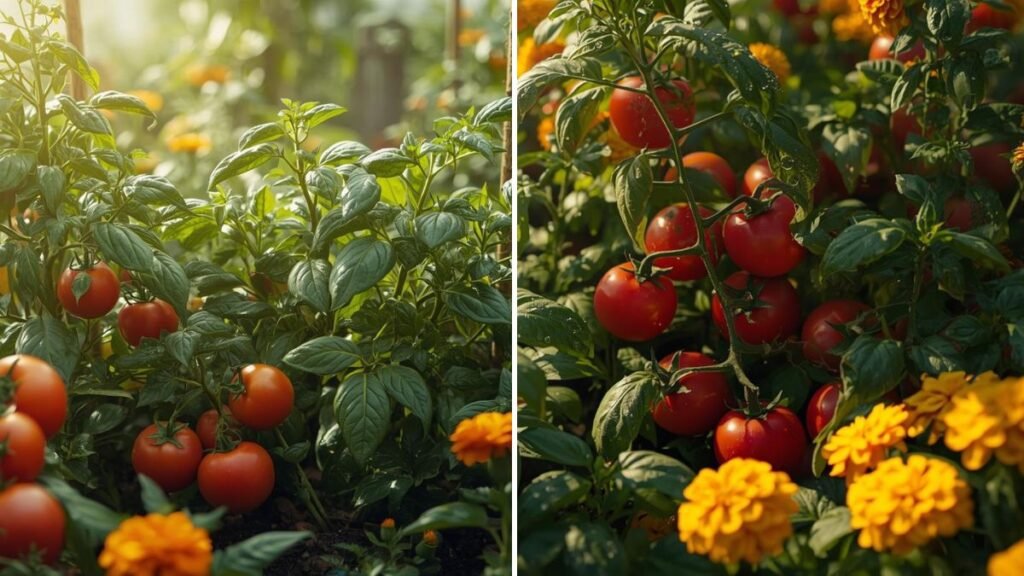
Spacing plays a key role in success. Plants need airflow to prevent disease. Companion plants should not crowd vegetables. Borders and interplanting work well. Containers also support companion planting. Plan layout before planting. Adequate spacing improves effectiveness. Thoughtful design maximizes pest control.
Soil Preparation for Healthy Companion Gardens
Healthy soil supports strong plants. Compost improves nutrient availability. Balanced soil reduces pest vulnerability. Avoid excessive nitrogen. Mulch helps retain moisture. Good soil promotes resilience. Healthy plants resist pests better. Soil preparation is essential.
Watering Practices in Mixed Plantings
Consistent watering reduces plant stress. Stressed plants attract pests. Water deeply and evenly. Avoid wet foliage overnight. Drip irrigation works well. Mulching helps regulate moisture. Balanced watering supports growth. Healthy plants deter pests naturally.
Seasonal Companion Planting Strategies
Different pests appear in different seasons. Early planting helps establish companions. Succession planting maintains protection. Some companions work best in warm months. Adjust strategies seasonally. Observe pest patterns. Adapt planting choices accordingly. Seasonal planning improves results.
Benefits Beyond Pest Control
Companion plants improve soil health. They enhance pollination. Gardens become more visually appealing. Harvest diversity increases. Biodiversity strengthens ecosystems. Chemical use is reduced. Gardening becomes sustainable. Benefits extend beyond pest control.
Common Mistakes to Avoid
Overcrowding reduces effectiveness. Ignoring sunlight needs causes stress. Using chemicals disrupts balance. Removing flowering companions too early reduces benefits. Lack of observation leads to issues. Learning from mistakes improves success. Simple adjustments help greatly. Patience is important.
Monitoring Pest Activity Naturally
Regular inspection is essential. Check undersides of leaves. Observe insect behavior. Identify beneficial insects. Act early when problems appear. Remove heavily infested plants. Natural control works best early. Observation strengthens outcomes.
Using Companion Planting in Small Gardens
Small gardens benefit greatly from companions. Containers allow flexibility. Vertical planting saves space. Herbs work well in pots. Even balconies can use companions. Space efficiency improves. Natural pest control fits small areas. Size does not limit success.
Long-Term Impact of Companion Planting
Over time, pest populations decrease naturally. Beneficial insects establish habitats. Soil quality improves. Gardens become self-regulating. Chemical dependence drops. Yields become consistent. Long-term balance develops. Companion planting builds resilience.
Table: Companion Plants for Pest Reduction
| Companion Plant | Main Pest Control Benefit |
|---|---|
| Marigold | Repels nematodes and insects |
| Basil | Deters flies and aphids |
| Garlic | Repels mites and fungi |
| Nasturtium | Traps aphids |
| Dill | Attracts beneficial predators |
Final Thoughts on Pest-Reducing Companion Plants
Companion planting is a powerful natural strategy. It reduces pest damage effectively. Gardens become healthier and more productive. Chemical use is minimized. Companion plants support ecosystems. This approach benefits gardeners and nature. Simple planning yields big rewards. Natural balance leads to success.