
Home growing is one of the most rewarding and sustainable habits anyone can adopt. Growing plants at home provides fresh vegetables, herbs, and flowers while improving air quality. It reduces grocery expenses and ensures chemical-free produce. Home gardening is suitable for apartments, balconies, rooftops, and backyards. It promotes mental relaxation and physical activity. Anyone can start regardless of space limitations. With proper guidance, home gardening becomes easy and enjoyable. Understanding basic principles is the foundation of success.
Choosing the Right Location
Selecting the correct location is critical for home growing success. Most plants require adequate sunlight for healthy growth. Observe your space throughout the day to identify sunny and shaded areas. Balconies facing south or east receive good sunlight. Indoor plants thrive near bright windows. Poor light leads to weak growth and low yields. Wind exposure should be moderate. Proper placement reduces stress on plants. Location planning improves overall plant performance.
Understanding Sunlight Requirements
Sunlight fuels photosynthesis, which allows plants to produce food. Most vegetables need six to eight hours of sunlight daily. Leafy greens tolerate partial shade. Herbs like basil and mint prefer bright light. Insufficient sunlight results in leggy plants. Excessive sunlight may scorch leaves. Understanding each plant’s needs is essential. Seasonal sunlight changes should be considered. Adjusting placement ensures consistent growth.
Selecting Suitable Containers
Containers play a major role in home gardening. Choose pots with drainage holes to prevent root rot. Clay pots allow airflow but dry faster. Plastic pots retain moisture longer. Fabric grow bags promote healthy root development. Container size must match plant growth. Small pots restrict roots and reduce yield. Reusing containers is cost-effective. Proper container selection supports plant health.
Soil Preparation for Home Plants
Healthy soil is the backbone of successful home growing. Use loose, well-draining potting mix instead of garden soil. Add compost to improve fertility. Coco peat helps retain moisture. Perlite improves aeration. Avoid compact soil that suffocates roots. Soil should be rich but lightweight. Proper soil preparation boosts plant strength. Good soil reduces disease risk.
Watering Techniques
Correct watering keeps plants healthy and productive. Overwatering causes root rot and fungal diseases. Underwatering leads to wilting and stress. Water early in the morning or evening. Always check soil moisture before watering. Different plants require different watering frequencies. Drainage must be efficient. Consistent watering improves growth. Balanced hydration is essential.
Choosing the Right Plants
Start with easy-to-grow plants if you are a beginner. Herbs like mint, coriander, and basil grow quickly. Leafy greens like spinach and lettuce are beginner-friendly. Tomatoes and chilies require moderate care. Flowers add beauty and attract pollinators. Choose plants suited to your climate. Seasonal plants perform better. Smart plant selection ensures success.
Seed vs Seedling Growing
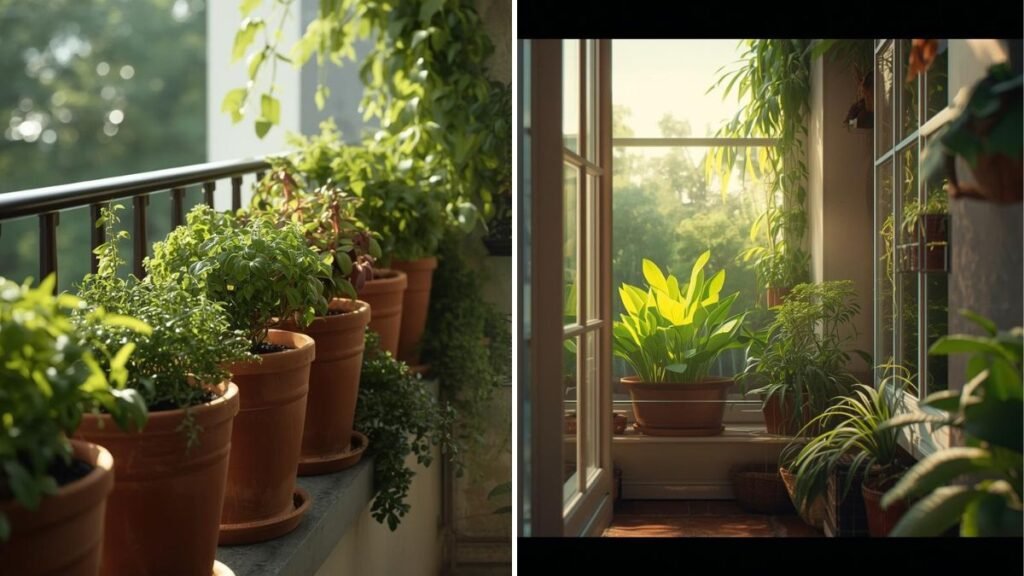
Seeds are economical but require patience. Seedlings offer faster results. Beginners may prefer seedlings for reliability. Seeds allow more variety choices. Germination requires proper moisture and warmth. Seedlings need careful transplanting. Both methods have advantages. Choose based on experience level. Proper handling ensures healthy plants.
Fertilizing Home Plants
Plants need nutrients for healthy growth. Organic fertilizers improve soil structure. Compost, vermicompost, and manure are excellent choices. Liquid fertilizers provide quick nutrition. Avoid over-fertilizing, which damages roots. Feed plants during active growth. Nutrient balance is important. Regular feeding boosts yield and flavor. Healthy plants need proper nutrition.
Pest Control at Home
Pests can damage plants quickly if ignored. Inspect leaves regularly. Use neem oil as a natural pesticide. Soap sprays control aphids and mites. Remove infected leaves immediately. Encourage beneficial insects like ladybugs. Avoid harsh chemicals indoors. Clean surroundings reduce infestations. Early prevention saves crops.
Disease Prevention
Fungal and bacterial diseases spread easily in humid conditions. Avoid overhead watering. Ensure good air circulation. Do not overcrowd plants. Use disease-resistant varieties when possible. Remove diseased plants promptly. Clean tools after use. Healthy plants resist disease better. Prevention is always better than cure.
Pruning and Maintenance
Pruning improves airflow and growth direction. Remove dead or yellow leaves regularly. Trim excess growth to encourage branching. Pruning increases flowering and fruiting. Use clean tools to avoid infection. Regular maintenance keeps plants tidy. Balanced pruning prevents stress. Well-maintained plants grow stronger.
Seasonal Plant Care
Plant care changes with seasons. Summer plants need frequent watering. Winter plants require less water. Protect plants from extreme heat or frost. Use shade nets in summer. Move pots indoors during cold spells. Seasonal adjustments improve survival. Understanding climate impact is essential. Adapt care accordingly.
Indoor Home Growing Tips
Indoor gardening requires proper light management. Grow lights help when sunlight is limited. Maintain humidity levels. Choose compact plants. Avoid water spills indoors. Good airflow prevents mold. Indoor plants purify air. Controlled environments allow year-round growing. Indoor gardening suits apartments.
Balcony and Rooftop Gardening
Balcony gardening maximizes unused space. Use vertical planters to save room. Secure pots against wind. Rooftop gardens require waterproofing. Use lightweight soil mixes. Proper drainage is essential. Balcony gardens enhance beauty. Urban spaces can grow food efficiently.
Common Mistakes to Avoid
Overwatering is the most common mistake. Ignoring sunlight needs reduces yield. Using poor soil leads to weak plants. Overcrowding causes disease. Skipping pest checks worsens damage. Using chemical fertilizers excessively harms soil. Lack of patience discourages beginners. Avoiding mistakes improves success.
Benefits of Home Growing
Home growing provides fresh produce daily. It reduces food costs. Gardening reduces stress and anxiety. It promotes sustainable living. Children learn responsibility through gardening. Plants improve air quality. Home gardens enhance home aesthetics. The benefits are long-term and rewarding.
Home Growing Tips Table
| Aspect | Best Practice | Benefit |
|---|---|---|
| Sunlight | Six to eight hours daily | Healthy growth |
| Soil | Loose and fertile mix | Strong roots |
| Watering | Moderate and regular | Prevents rot |
| Fertilizer | Organic compost | Better yield |
| Pest control | Neem oil | Chemical-free plants |
Conclusion
Home growing is simple, sustainable, and deeply satisfying. With proper planning and care, anyone can grow plants successfully. Understanding light, soil, and water is essential. Regular maintenance prevents problems. Even small spaces can produce abundant harvests. Gardening improves lifestyle and health. Start small and grow gradually. Home gardening is a lifelong skill worth learning.