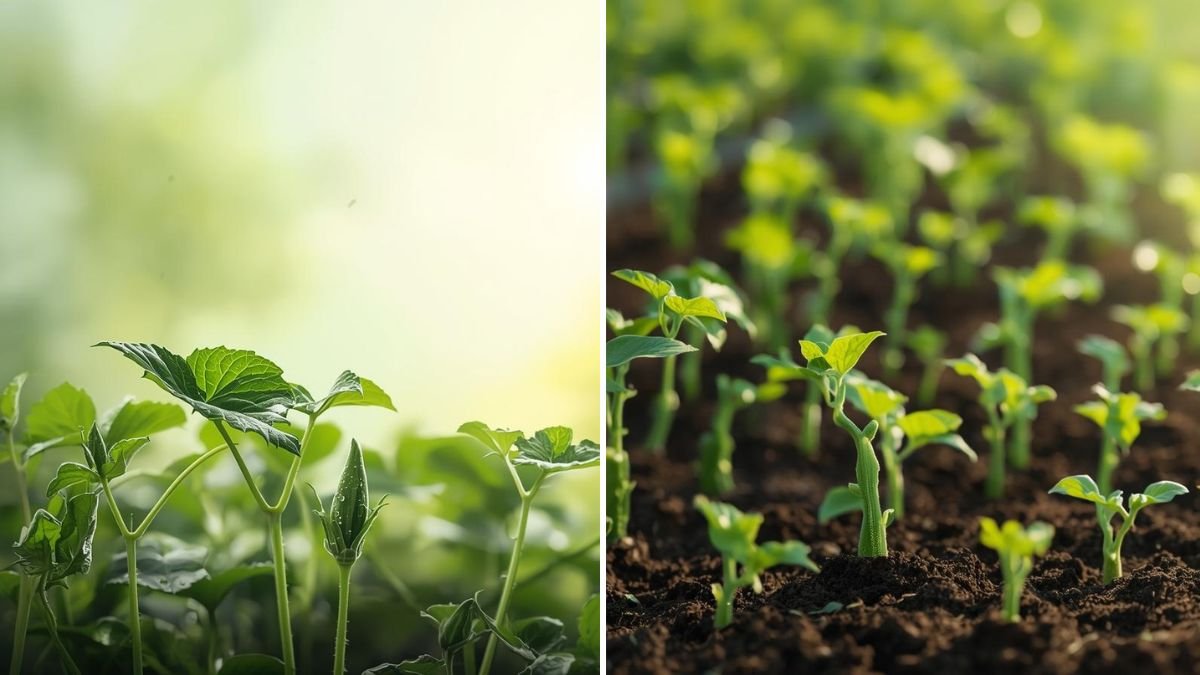
Cucumbers are easy-to-grow vegetables perfect for home gardens. They grow fast and produce abundant harvests. Cucumbers thrive in warm weather. Homegrown cucumbers taste fresher and crisper. They require basic care and sunlight. Growing cucumbers saves money. They can be grown in pots or ground. Understanding fundamentals ensures success.
Choosing the Right Cucumber Variety
Select varieties based on space and use. Bush cucumbers suit containers. Vining types need trellises. Pickling and slicing varieties differ. Disease-resistant types perform better. Choose climate-appropriate seeds. Variety choice affects yield. Compact varieties suit beginners. Proper selection improves results.
Best Time to Plant Cucumbers
Cucumbers prefer warm soil. Plant after frost danger passes. Soil temperature should be above 18°C. Early planting improves yield. In cold regions, start indoors. Warm weather speeds growth. Timing affects flowering. Correct timing ensures healthy plants.
Soil Preparation
Cucumbers need fertile, loose soil. Add compost before planting. Maintain pH between 6 and 7. Avoid waterlogged soil. Loosen soil deeply. Good drainage prevents root disease. Mulching improves moisture retention. Healthy soil increases yield.
Starting Cucumbers from Seed
Sow seeds 1 inch deep. Space seeds properly. Keep soil moist until germination. Seeds sprout in 7–10 days. Thin seedlings if crowded. Gentle watering prevents damage. Strong seedlings grow faster. Early care ensures success.
Transplanting Seedlings
Harden seedlings before transplanting. Avoid disturbing roots. Plant at same depth. Water thoroughly after transplanting. Shade briefly if needed. Transplant in evening hours. Proper handling reduces shock. Healthy starts ensure productivity.
Spacing and Planting Layout
Space plants according to variety. Vining types need room to spread. Bush types grow compact. Proper spacing improves airflow. Overcrowding causes disease. Layout planning improves yield. Trellising saves space. Correct spacing is essential.
Watering Requirements
Cucumbers need consistent moisture. Water deeply and regularly. Avoid wetting leaves. Morning watering is best. Mulch helps conserve moisture. Irregular watering causes bitterness. Monitor soil daily. Proper watering ensures quality fruit.
Fertilizing Cucumbers
Use balanced fertilizer regularly. Organic compost works well. Avoid excessive nitrogen. Fertilize during flowering. Nutrients support fruit development. Liquid feeds act quickly. Regular feeding increases yield. Balanced nutrition improves flavor.
Supporting Cucumber Plants
Trellises improve air circulation. Vertical growth saves space. Tie vines gently. Support prevents fruit rot. Strong structures prevent collapse. Training vines improves sun exposure. Support enhances productivity. Proper support is beneficial.
Pruning and Training
Remove excess side shoots. Improve airflow through pruning. Focus energy on fruits. Avoid over-pruning. Train vines along supports. Remove damaged leaves. Pruning reduces disease risk. Balanced growth increases yield.
Pollination Needs
Cucumbers require pollination. Bees are natural pollinators. Hand pollinate if needed. Identify male and female flowers. Proper pollination ensures fruit set. Encourage pollinators nearby. Healthy pollination increases yield. Observation improves success.
Pest Management
Watch for aphids and beetles. Use neem oil organically. Remove pests early. Encourage beneficial insects. Avoid chemical pesticides. Regular inspection prevents infestations. Healthy plants resist pests. Prevention saves crops.
Disease Prevention
Avoid overhead watering. Provide good airflow. Use disease-resistant varieties. Remove infected leaves. Rotate crops yearly. Clean garden tools. Healthy practices prevent disease. Early action limits damage.
Harvesting Cucumbers
Harvest when fruits are firm. Pick regularly for continuous yield. Avoid oversized fruits. Use sharp tools. Morning harvest is best. Gentle handling prevents damage. Timely harvesting improves taste. Frequent picking increases production.
Growing Cucumbers in Containers
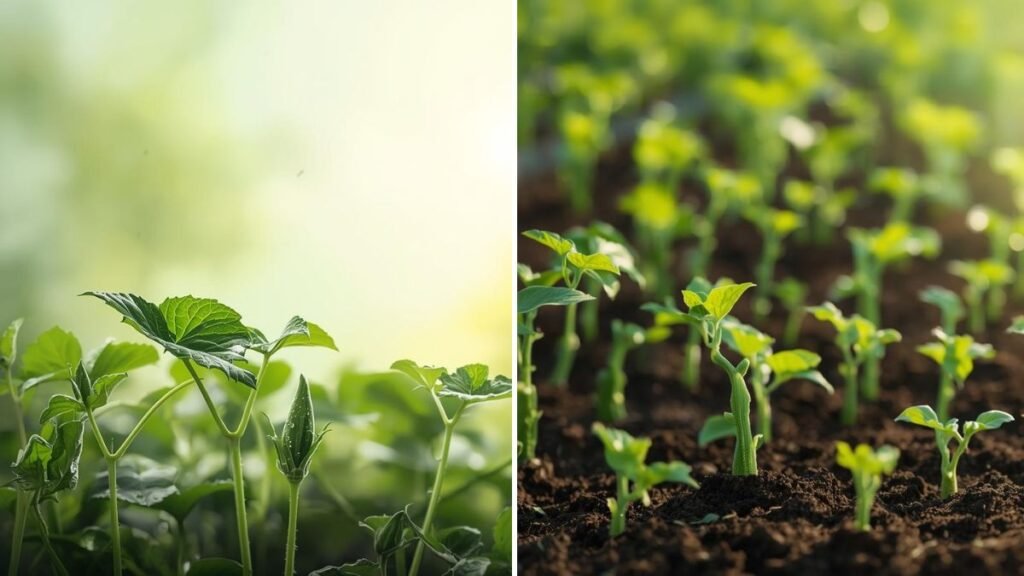
Choose large containers. Ensure drainage holes. Use quality potting mix. Provide trellis support. Water frequently. Containers warm faster. Ideal for small spaces. Container growing is convenient.
Common Problems and Solutions
Yellow leaves indicate nutrient issues. Bitter fruit means irregular watering. Poor pollination causes misshapen fruit. Wilting indicates water stress. Pest damage needs treatment. Diagnose early. Adjust care accordingly. Problem solving improves results.
Cucumber Growing Table
| Factor | Requirement | Benefit |
|---|---|---|
| Sunlight | 6–8 hours | Better yield |
| Soil | Fertile and loose | Healthy roots |
| Water | Consistent moisture | Sweet fruits |
| Support | Trellis or stakes | Clean produce |
| Feeding | Balanced fertilizer | Strong growth |
Conclusion
Growing cucumbers at home is simple and rewarding. With proper soil, water, and sunlight, plants thrive. Regular harvesting increases yield. Pest control ensures healthy plants. Both container and ground methods work well. Planning improves success. Fresh cucumbers enhance meals. Start growing cucumbers today.