
Growing plants at home is one of the most rewarding hobbies anyone can adopt. It provides fresh produce, improves air quality, and enhances mental well-being. Home gardening does not require a large space or expensive tools. With basic knowledge and consistency, anyone can grow healthy plants indoors or outdoors. Plants thrive when their basic needs are understood. Light, water, soil, and care play vital roles. Beginners often fail due to overwatering or poor soil choice. Learning correct techniques ensures long-term success. Home gardening connects people with nature. It also promotes sustainable living.
Choosing the Right Plants for Home Gardening
Selecting the right plants is the first step to success. Beginners should start with low-maintenance plants. Herbs, leafy greens, and flowering plants adapt easily to home conditions. Climate and space must be considered carefully. Indoor plants require different care than outdoor plants. Native plants often grow better with minimal effort. Understanding sunlight requirements prevents plant stress. Seasonal plants grow faster and healthier. Avoid exotic plants initially. Choosing the right plant reduces frustration. It increases confidence and success.
Understanding Sunlight Requirements
Sunlight is essential for photosynthesis and plant growth. Most plants require six to eight hours of sunlight daily. Indoor plants may need indirect sunlight. South-facing windows provide ideal light exposure. Lack of light leads to weak growth and pale leaves. Excess sunlight can scorch leaves. Observe light patterns before placing plants. Rotate pots regularly for even growth. Artificial grow lights help in low-light homes. Correct lighting improves plant health. Balanced sunlight ensures strong roots and foliage.
Selecting the Best Soil for Home Plants
Soil quality determines plant growth and productivity. Garden soil alone is often insufficient. Mixing compost improves fertility and structure. Well-draining soil prevents root rot. Clay soil retains too much moisture. Sandy soil drains too quickly. Potting mix is ideal for containers. Organic matter improves nutrient availability. Healthy soil supports beneficial microorganisms. Avoid compacted soil in pots. Good soil is the foundation of home gardening.
Proper Watering Techniques
Watering mistakes are common among beginners. Overwatering suffocates roots and causes disease. Underwatering leads to wilting and stress. Check soil moisture before watering. Water deeply but less frequently. Morning watering is most effective. Drainage holes prevent water buildup. Different plants have different water needs. Seasonal changes affect watering frequency. Use room-temperature water indoors. Proper watering keeps plants healthy and vibrant.
Choosing the Right Containers
Containers should suit plant size and root depth. Small pots restrict growth. Large pots hold moisture longer. Drainage holes are essential. Terracotta pots allow airflow. Plastic pots retain moisture better. Lightweight containers are easy to move. Decorative pots improve aesthetics. Containers should match indoor or outdoor conditions. Reusing containers saves money. Proper container selection improves plant lifespan.
Importance of Drainage
Drainage prevents waterlogging and root rot. Standing water suffocates roots. Pots without holes cause plant failure. Gravel layers improve drainage slightly. Raised beds improve outdoor drainage. Drainage trays collect excess water indoors. Regularly empty trays to avoid fungal growth. Well-drained soil improves oxygen flow. Drainage is critical for container gardening. Healthy roots depend on good drainage.
Fertilizing Home Plants Correctly
Plants need nutrients to grow strong. Soil nutrients deplete over time. Organic fertilizers improve soil health. Liquid fertilizers act quickly. Slow-release fertilizers provide long-term nutrition. Avoid excessive fertilization. Overfeeding causes leaf burn. Fertilize during active growth periods. Indoor plants need less fertilizer. Balanced nutrients improve flowering and fruiting. Proper feeding boosts plant vitality.
Pruning and Trimming Plants
Pruning improves plant shape and growth. Remove dead or yellow leaves regularly. Pruning encourages bushier growth. Flowering plants bloom better with pruning. Use clean, sharp tools. Avoid excessive cutting. Pruning improves air circulation. It prevents disease spread. Indoor plants benefit from regular trimming. Healthy pruning promotes stronger plants.
Pest Control in Home Gardens
Pests can damage plants quickly. Early detection is essential. Aphids, mites, and whiteflies are common. Neem oil works effectively. Soap sprays control soft-bodied insects. Avoid chemical pesticides indoors. Healthy plants resist pests better. Remove infected leaves promptly. Clean pots and tools regularly. Integrated pest control keeps plants safe.
Humidity and Temperature Management
Indoor plants need proper humidity levels. Dry air causes leaf browning. Mist plants occasionally. Group plants to increase humidity. Temperature extremes stress plants. Avoid placing plants near heaters. Stable temperature supports growth. Tropical plants need higher humidity. Use humidifiers if needed. Balanced environment improves plant health.
Growing Plants in Limited Space
Small spaces can still support gardening. Vertical gardening saves space. Hanging pots add greenery. Window sills are ideal for herbs. Balcony gardening increases options. Compact plants suit apartments. Shelving systems optimize space. Creative layouts improve accessibility. Limited space should not limit gardening. Smart planning ensures success.
Seasonal Care for Home Plants
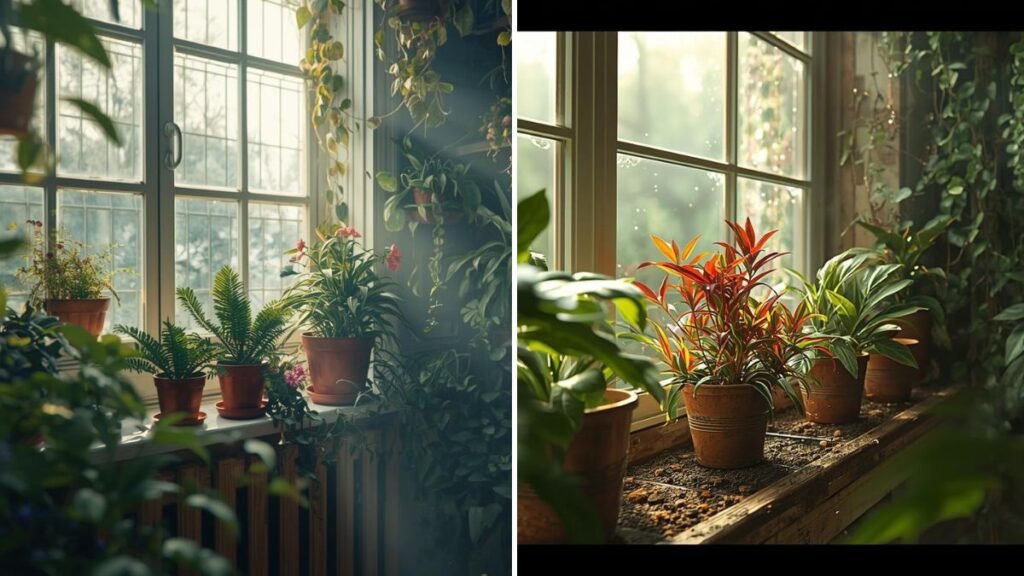
Plants respond to seasonal changes. Reduce watering in winter. Increase sunlight exposure during colder months. Summer heat increases water needs. Protect plants from frost. Seasonal fertilization improves growth. Observe plant behavior closely. Adjust care routines accordingly. Seasonal awareness prevents plant stress. Healthy plants adapt better.
Indoor vs Outdoor Plant Care
Indoor plants require controlled conditions. Outdoor plants face weather changes. Indoor plants need dust cleaning. Outdoor plants need pest monitoring. Sun exposure differs greatly. Water evaporation varies. Indoor plants grow slower. Outdoor plants grow vigorously. Care routines must adapt accordingly. Understanding differences improves results.
Using Compost at Home
Compost enriches soil naturally. Kitchen waste creates nutrient-rich compost. Compost improves soil structure. It increases water retention. Reduces chemical fertilizer use. Compost supports beneficial microbes. Use compost sparingly in pots. Homemade compost is eco-friendly. It promotes sustainable gardening. Healthy soil equals healthy plants.
Common Mistakes to Avoid
Overwatering is the biggest mistake. Ignoring sunlight needs harms plants. Using poor soil reduces growth. Skipping drainage causes failure. Overcrowding plants limits airflow. Neglecting pests causes damage. Inconsistent care weakens plants. Using wrong fertilizer affects growth. Avoiding mistakes ensures success. Learning improves gardening skills.
Benefits of Home Gardening
Home gardening improves mental health. Reduces stress and anxiety. Provides fresh vegetables and herbs. Improves indoor air quality. Enhances home aesthetics. Encourages healthy eating habits. Saves money over time. Promotes sustainability. Builds patience and responsibility. Gardening is deeply rewarding.
Table: Easy Plants for Home Gardening
| Plant Name | Light Need | Water Requirement | Suitable Location |
|---|---|---|---|
| Basil | Bright sunlight | Moderate | Window sill |
| Aloe Vera | Indirect light | Low | Indoor |
| Mint | Partial sunlight | High | Balcony |
| Snake Plant | Low light | Very low | Indoor |
| Tomato | Full sunlight | Moderate | Outdoor |
Final Thoughts on Growing Plants at Home
Home gardening is simple with the right approach. Consistency matters more than experience. Understanding plant needs ensures success. Start small and grow gradually. Observe plants regularly. Learn from mistakes patiently. Gardening builds a strong connection with nature. Every plant teaches something new. Healthy plants create a peaceful environment. Anyone can grow plants successfully at home.