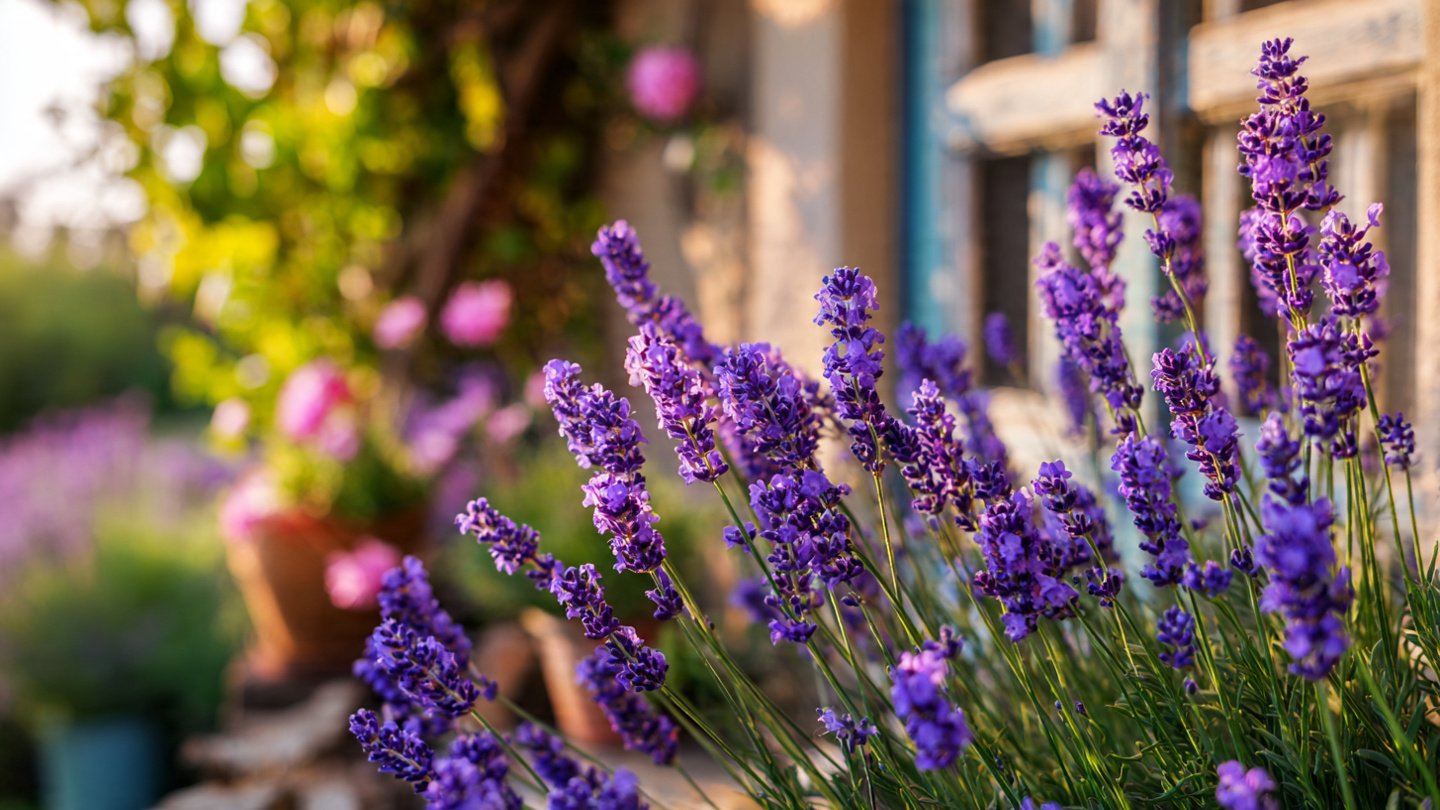
In the hustle and bustle of modern life, a serene escape becomes a necessity rather than a luxury. Imagine stepping out onto your balcony and being greeted by the calming scent of lavender wafting through the air. Not only does lavender create an inviting atmosphere, but it also offers numerous benefits that can transform your outdoor space into a stress-free oasis. This article explores the world of lavender cultivation, its therapeutic properties, and tips for creating your own soothing sanctuary.
The Allure of Lavender
Lavender, known scientifically as Lavandula, is a member of the mint family and is celebrated for its vibrant purple blooms, aromatic fragrance, and versatility. It has been used for centuries in various cultures for its soothing properties. The ancient Romans used it in baths for relaxation, and it has been a staple in aromatherapy practices for its calming effects.
The Therapeutic Benefits of Lavender
-
Aromatherapy and Relaxation
The scent of lavender is renowned for its ability to reduce anxiety and promote relaxation. Studies suggest that inhaling lavender essential oil can help improve sleep quality, reduce stress levels, and even alleviate symptoms of depression. Incorporating lavender into your balcony garden allows you to immerse yourself in its fragrance whenever you step outside. -
Natural Pest Repellent
In addition to its pleasant aroma, lavender serves as a natural pest repellent. Its scent deters common garden pests like mosquitoes and flies, allowing you to enjoy your outdoor space without the annoyance of unwelcome insects. -
Skin Benefits
Lavender oil boasts antiseptic and anti-inflammatory properties, making it a popular ingredient in skincare. The oil can help soothe minor burns, insect bites, and other skin irritations. Having fresh lavender on hand means you can create your own soothing balms and oils.
Creating Your Balcony Oasis
Transforming your balcony into a lavender-filled oasis requires careful planning and consideration. Below are key steps and tips for cultivating lavender and creating a relaxing environment.
1. Choosing the Right Varieties
Lavender comes in many varieties, each with its unique characteristics. Here are a few popular options for balcony gardening:
- English Lavender (Lavandula angustifolia): Known for its sweet scent and compact size, it’s perfect for small spaces and is hardy in cooler climates.
- French Lavender (Lavandula dentata): Featuring distinctive serrated leaves and a robust fragrance, this variety thrives in warm climates.
- Spanish Lavender (Lavandula stoechas): Recognizable by its unique flower tops, this variety is also a great option for warmer regions.
Choose a variety that suits your climate and personal preference.
2. Ideal Growing Conditions
Lavender thrives in well-drained soil and requires plenty of sunlight. Here are essential tips to ensure optimal growing conditions:
-
Sunlight: Select a balcony that receives at least 6-8 hours of direct sunlight daily. If your balcony is shaded, consider using reflective surfaces or growing lights to enhance sunlight exposure.
-
Soil: Use sandy or loamy soil enriched with organic matter. Avoid heavy, clay-like soils that can retain too much moisture, as this can lead to root rot.
-
Containers: Opt for pots with drainage holes to prevent water from accumulating at the bottom. Terracotta pots are an excellent choice as they allow for air exchange, promoting healthy root growth.
3. Planting and Care
Once you have your lavender plants or seeds ready, it’s time to plant. Follow these steps to ensure healthy growth:
-
Spacing: If planting multiple lavender plants, space them 12-18 inches apart to allow for air circulation.
-
Watering: Lavender prefers moderate watering. Allow the soil to dry out between waterings, as over-watering can lead to root problems.
-
Pruning: Regular pruning encourages bushier growth and more blooms. Trim back about one-third of the plant in the spring, removing any dead or woody stems.
-
Fertilizing: Lavender doesn’t require heavy fertilization. A light application of a balanced fertilizer in the spring can give it a nutrient boost.
Designing Your Stress-Free Oasis
Once your lavender is thriving, the next step is to design your balcony to create a peaceful and inviting atmosphere. Here are some design tips to enhance your lavender oasis:
1. Comfortable Seating
Invest in comfortable outdoor furniture. A cozy chair or a small bistro set can serve as the perfect spot to unwind with a book or sip a cup of herbal tea. Cushions in calming colors can add to the relaxing ambiance.
2. Decorative Elements
Incorporate decorative elements that resonate with tranquility. Consider adding:
-
Color Palette: Soft shades of purple, blue, and green can enhance the calming effect of your lavender garden. Use cushions, tableware, and decor in these colors.
-
Lighting: Soft, ambient lighting can transform your balcony into a magical space. String lights or lanterns can create a cozy atmosphere for evening relaxation.
-
Natural Accents: Incorporating natural materials like wooden furniture or stone planters can enhance the organic feel of your space.
3. Zen Features
To further promote relaxation, consider adding features such as:
-
Water Elements: A small fountain or a water feature can produce soothing sounds that enhance the calming experience.
-
Meditation or Yoga Space: If you practice meditation or yoga, designate a corner of your balcony for these activities. A yoga mat and a few cushions can create a perfect spot for mindfulness exercises.
-
Herb and Flower Companions: In addition to lavender, consider growing other calming herbs like chamomile, thyme, or mint. These can be used in teas or as fresh additions to your meals.
Maintenance and Longevity
Achieving a stress-free oasis on your balcony requires consistent care and attention to your plants. Here are some maintenance tips:
-
Regular Monitoring: Keep an eye on your plants for any signs of pests or diseases. Early intervention can prevent larger issues down the line.
-
Seasonal Adjustments: Adapt your care routine according to the seasons. In colder climates, consider bringing potted lavender indoors or opting for frost-resistant varieties to ensure their survival.
-
Harvesting: Regularly harvesting your lavender will encourage new growth. Cut stems just before the flowers fully open for the best scent and potency.
The Psychological Impact of Green Spaces
Research has shown that spending time in green spaces and around plants fosters a sense of well-being. The presence of greenery can reduce stress levels, improve mood, and even enhance cognitive function. By cultivating your own lavender oasis, you’re not only creating a beautiful space but also nurturing your mental health.
Conclusion
Cultivating your own lavender garden on your balcony can dramatically alter your environment, turning an ordinary outdoor space into a tranquil retreat. With its soothing fragrance, aesthetic appeal, and health benefits, lavender is the perfect plant to help you unwind and embrace a stress-free lifestyle.
As you nurture your lavender plants, you also nurture your well-being, inviting relaxation and peace into your daily life. Whether you choose to sip on lavender-infused tea, enjoy the enchanting aroma, or simply bask in the beauty of your blossoming oasis, growing lavender can indeed transform your balcony into a true stress-free sanctuary. So, roll up your sleeves, dig into the soil, and let the serenity of lavender elevate your everyday experience.