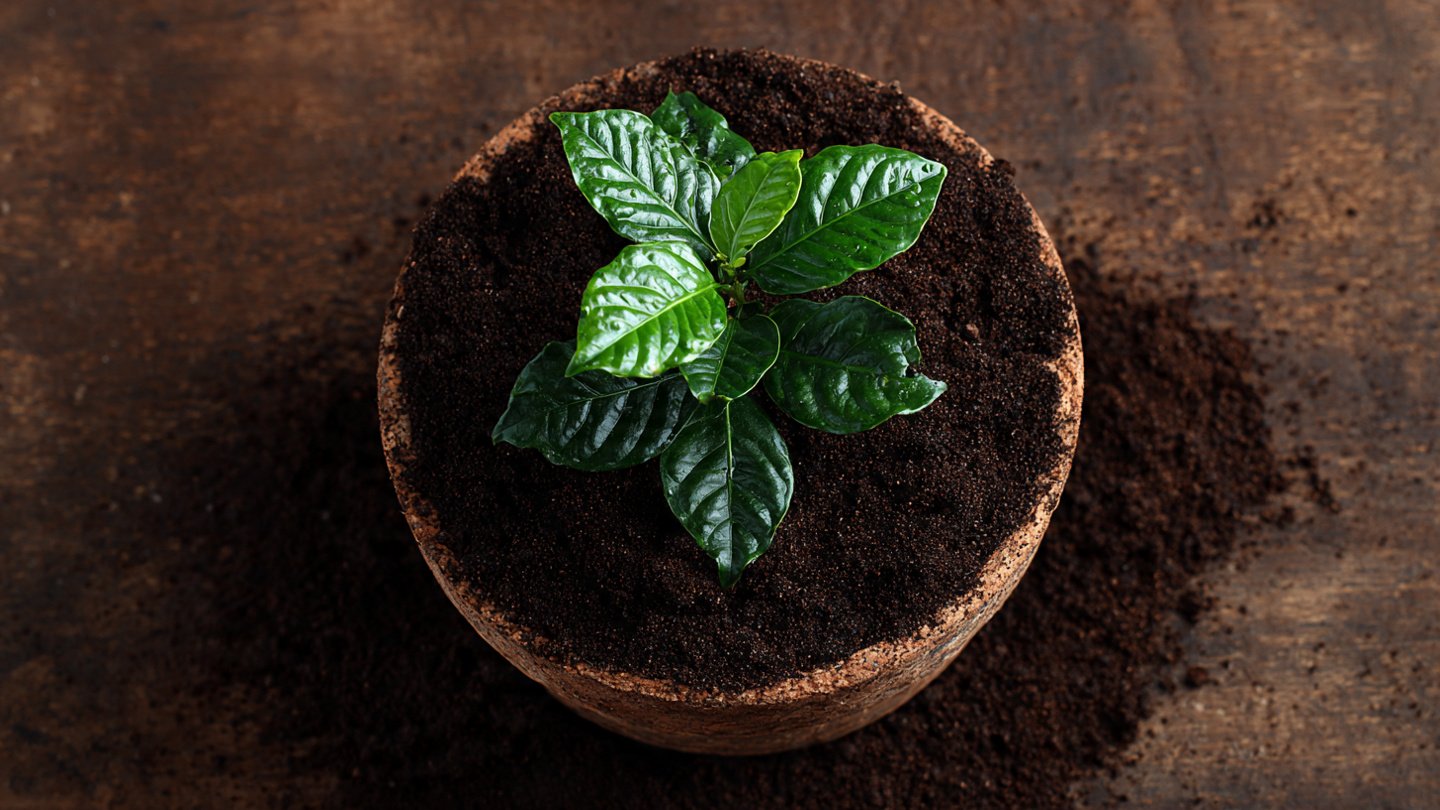
Gardening is as much an art as it is a science, and the quest for soil health is crucial to successful plant growth. For those who grow acid-loving plants—like blueberries, azaleas, and rhododendrons—balancing pH levels is a priority. A common kitchen waste product, coffee grounds, has gained notoriety in the gardening community as a potential elixir for these acidophilic species. Whether you’re a seasoned gardener or a novice, understanding how and whether coffee grounds can benefit your plants is essential for fostering a thriving garden.
Understanding Acid-Loving Plants
What Are Acid-Loving Plants?
Acid-loving plants, or acidophiles, prefer soil that is acidic, typically with a pH range of 5.0 to 6.5. These plants have adapted to thrive in environments with lower pH levels, where nutrients like iron and magnesium are more bioavailable. Common examples include:
- Blueberries: These require a pH of around 4.5 to 5.5.
- Rhododendrons: Prefer a slightly more acidic environment, thriving in soils with a pH around 5.0 to 6.0.
- Ferns: Many types, especially those in shade gardens, prefer acidic conditions.
Providing an optimal pH is critical to their health, as neutral or alkaline soils can stunt their growth and lead to deficiencies.
The Role of Soil pH
Soil pH affects nutrient availability, microbial activity, and even soil structure. Acidic soils tend to have higher levels of certain micronutrients, such as iron and manganese, which are crucial for the metabolism of acid-loving plants. Conversely, alkaline soils can lock these nutrients away, making them less accessible to plants and leading to symptoms like yellowing leaves, stunted growth, or poor fruit production.
The Nutritional Profile of Coffee Grounds
Composition
Used coffee grounds are rich in organic matter and contain various essential nutrients. Some key components include:
- Nitrogen: While coffee grounds are often considered a “green” material due to their nitrogen content, they also contain small amounts of phosphorous and potassium.
- Acidity: Fresh coffee grounds have a pH level around 5.0, slightly acidic, but this does not necessarily mean they will lower the overall pH of your soil significantly.
Benefits
- Nutrient Boost: The nitrogen in coffee grounds promotes healthy leaf growth and overall plant vigor.
- Soil Structure Improvement: Coffee grounds can enhance soil structure by improving its aeration and water retention capabilities.
- Microbial Activity: The presence of organic matter encourages microbial life, which contributes to soil health and nutrient cycling.
- Pest Deterrent: Some gardeners claim that coffee grounds can deter pests like slugs and snails.
The Science Behind Coffee Grounds and Soil pH
How Coffee Grounds Affect Soil pH
The belief that coffee grounds can significantly lower soil pH is somewhat misleading. While they do contribute acidity, the effects may not be as dramatic as one might expect. Various factors play a role in how coffee grounds will interact with your soil:
- Decomposition: When coffee grounds decompose, they release acids that may temporarily lower pH levels, but this effect diminishes over time.
- Soil Type: Different soil types react differently to amendments. Sandy soils, for example, may not retain the acidity provided by coffee grounds as effectively as clay soils.
- Adding Coffee Grounds vs. Fresh Grounds: Fresh coffee grounds are more acidic than used ones, which may already have a more neutral pH due to brewing.
Quantifying the Effects
Research examining the impact of coffee grounds on soil pH shows mixed results. Some studies indicate that they can lower the pH marginally, while others suggest that their long-term effects may be negligible. Therefore, while coffee grounds can contribute to slightly acidic conditions, relying on them solely to create an acidic environment may not yield the desired outcomes for acid-loving plants.
How to Use Coffee Grounds in the Garden
Incorporating Coffee Grounds
The key to effectively using coffee grounds in your garden lies in how you incorporate them. Here are some methods you can employ:
-
Soil Amendment: Mix coffee grounds into your soil to improve its texture and structure. Aim for a ratio of 1 part coffee grounds to 3 parts soil or compost.
-
Mulching: Spread a thin layer of dried coffee grounds around the base of your acid-loving plants. This can provide nutrients, suppress weeds, and help retain moisture.
-
Composting: Add coffee grounds to your compost bin, balancing them with “brown” materials like dry leaves or straw to avoid excess nitrogen.
Precautions
While coffee grounds can be beneficial, it’s essential to use them judiciously:
- Avoid Overuse: Too much organic material can lead to water retention issues and attract unwanted pests.
- Caffeine Sensitivity: While used coffee grounds generally contain lower caffeine levels, significant quantities can negatively affect earthworms and other beneficial soil organisms.
- Monitor Soil pH: Regularly test your soil to keep track of pH levels, ensuring your plants are thriving.
Complementary Practices for Acid-Loving Plants
Additional Amendments
In addition to coffee grounds, there are other amendments you can use to create optimal conditions for acid-loving plants:
- Sphagnum Peat Moss: A natural acidic material, peat moss can help retain moisture and lower soil pH.
- Alfalfa Meal: This organic fertilizer is high in nitrogen and has a natural acidity that benefits acid-loving plants.
- Sulfur: Elemental sulfur is another option for lowering soil pH, though it’s a slower-reacting amendment.
Proper Care Practices
To ensure the best growing conditions, consider the following care practices:
- Watering: Acid-loving plants generally prefer consistent moisture but do not tolerate waterlogged conditions.
- Regular Feeding: Fertilize with products specifically designed for acid-loving plants to provide balanced nutrition.
- Pruning: Regularly prune to encourage growth and air circulation, preventing diseases.
Conclusion
Coffee grounds can be a valuable addition to your gardening toolkit, particularly for acid-loving plants. While they alone may not dramatically lower soil pH, they offer numerous benefits, including nutrient enhancement, improved soil structure, and increased microbial activity. By incorporating coffee grounds alongside other practices and amendments, you can create an environment conducive to the growth of these unique plants.
As any seasoned gardener will tell you, the key to success lies in a balanced approach, understanding your plants’ needs, and continually adapting your methods to foster a flourishing garden. So go ahead, save your coffee grounds, and give your acid-loving plants the boost they deserve!