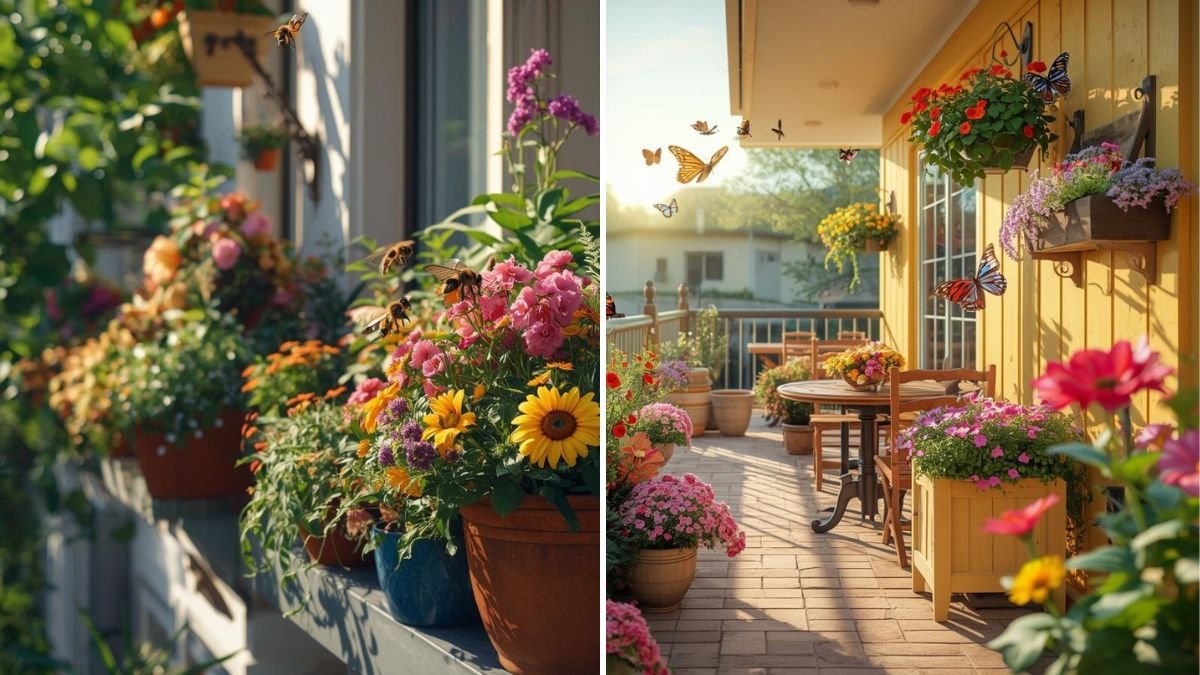
Pollinators play a crucial role in maintaining healthy ecosystems. Container gardens provide valuable habitats even in small spaces. Bees and butterflies are attracted to specific plants with nectar rich flowers. Container gardening allows flexible placement. These gardens support biodiversity in urban areas. Pollinator friendly plants improve fruit and flower production. Creating such gardens benefits the environment. Small efforts make a big impact.
Understanding Pollinator Preferences in Plants
Pollinators prefer bright colors and fragrant flowers. Native plants are especially attractive. Continuous blooming ensures consistent food supply. Flower shape affects accessibility. Avoid chemical pesticides. Healthy plants produce more nectar. Understanding preferences improves success. Knowledge guides plant selection.
Plant One Lavender for Fragrance and Nectar
Lavender is highly attractive to bees and butterflies. Its purple flowers provide abundant nectar. Lavender thrives in containers with good drainage. It prefers full sunlight. Fragrance enhances garden appeal. Pruning encourages repeat blooms. Lavender suits balconies and patios. It combines beauty and function.
Plant Two Salvia for Long Bloom Periods
Salvia offers long blooming seasons. Tubular flowers attract humming pollinators too. It thrives in sunny conditions. Container growth is easy. Different colors add variety. Regular deadheading improves blooms. Salvia supports biodiversity. It is a pollinator favorite.
Plant Three Zinnias for Bright Color Displays
Zinnias produce vibrant flowers loved by butterflies. They grow well in containers. Full sun supports strong blooms. Zinnias are low maintenance. Frequent blooming attracts pollinators. Color variety enhances appeal. They suit beginner gardeners. Zinnias brighten spaces.
Plant Four Coneflowers for Native Appeal
Coneflowers are native pollinator plants. They attract bees and butterflies reliably. Strong stems suit containers. They tolerate drought conditions. Long bloom times support pollinators. Seed heads feed birds later. Coneflowers offer year-round value. Native appeal strengthens ecosystems.
Plant Five Lantana for Heat Tolerance
Lantana thrives in warm conditions. Clusters of flowers attract butterflies. It performs well in containers. Lantana blooms continuously. Color changes add interest. Minimal watering is needed. It suits sunny balconies. Lantana is resilient.
Plant Six Milkweed for Butterfly Support
Milkweed supports monarch butterflies. It is essential for caterpillar development. Container varieties exist. Milkweed prefers sunlight. It attracts various pollinators. Proper spacing is required. Milkweed supports conservation. It has ecological importance.
Plant Seven Petunias for Accessible Nectar
Petunias attract bees with open flowers. They grow easily in containers. Continuous blooming supports pollinators. Regular watering is required. Color options are abundant. Petunias suit hanging baskets. They add softness and charm. Accessibility improves pollination.
Plant Eight Marigolds for Pollinator Diversity
Marigolds attract beneficial insects. Their bright colors draw attention. They are easy to grow. Containers suit marigolds well. They bloom reliably. Pest resistance is a benefit. Marigolds support garden health. They are versatile choices.
Plant Nine Verbena for Extended Blooming
Verbena produces clusters of nectar rich flowers. Butterflies love verbena. It thrives in containers. Full sun encourages blooms. Long flowering periods provide resources. Verbena requires moderate watering. Trailing varieties add movement. Verbena enhances displays.
Plant Ten Cosmos for Light and Airy Beauty
Cosmos attract butterflies and bees. They grow well in pots. Light foliage adds texture. Cosmos prefer sunny spots. Minimal care is required. Flowers bloom continuously. They add elegance. Cosmos suit pollinator gardens.
Table Pollinator Container Plant Guide
Plant type flowering herb annual perennial options Sun needs full sun partial shade Pollinators bees butterflies hummingbirds Container size small medium large pots Bloom season spring summer fall
Choosing the Right Containers for Pollinator Plants
Containers should provide adequate drainage. Size affects root health. Lightweight pots allow mobility. Natural materials stay cooler. Drainage holes prevent root rot. Proper containers support plant health. Choice affects success. Containers influence growth.
Soil and Fertilization for Pollinator Containers
Nutrient rich soil supports blooming. Organic compost improves fertility. Avoid chemical fertilizers. Balanced feeding encourages nectar production. Soil moisture must be monitored. Good soil enhances plant vigor. Healthy plants attract pollinators. Soil care is essential.
Placement Tips to Maximize Pollinator Visits
Place containers in sunny locations. Group plants together. Visibility attracts pollinators. Avoid windy areas. Elevate containers slightly. Continuous bloom areas work best. Placement improves effectiveness. Strategic placement matters.
Seasonal Care for Pollinator Container Gardens
Regular deadheading promotes blooms. Water consistently during heat. Adjust feeding seasonally. Protect plants from frost. Rotate containers for sunlight. Seasonal care ensures longevity. Attention maintains attraction. Care supports ecosystems.