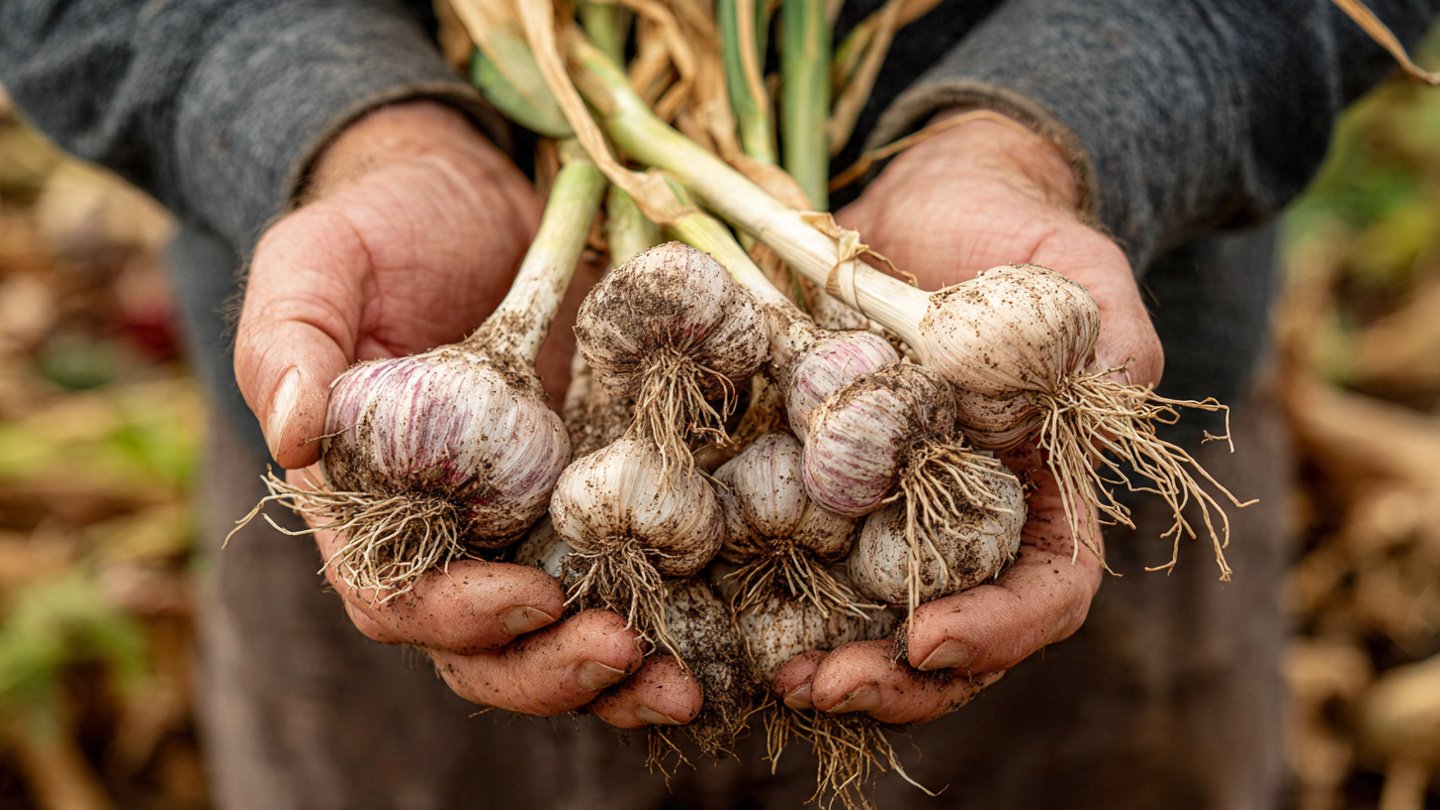
Growing your own garlic can be a rewarding and flavorful endeavor. Among the different types of garlic, softneck garlic is one of the most popular varieties, prized for its ease of cultivation and flexibility in culinary uses. This guide will walk you through the essential steps for successfully cultivating softneck garlic in your garden, whether you’re a seasoned gardener or a complete novice.
Understanding Softneck Garlic
Softneck garlic (Allium sativum), characterized by its flexible necks and numerous cloves, is often found in grocery stores. It typically has a milder flavor compared to hardneck garlic and stores well, making it ideal for home gardeners. The two main types of softneck garlic are:
- Artichoke Garlic: Known for its large bulbs and mild flavor, artichoke garlic is the most common variety in the U.S.
- Silverskin Garlic: Recognized by its thin, white skin, silverskin garlic has a strong flavor and excellent storage capabilities.
Why Grow Softneck Garlic?
- Easy to Grow: Softneck garlic doesn’t require as much care as other varieties.
- Long Storage Life: With proper curing, softneck garlic can last up to a year.
- Versatile Use: Softneck garlic can be used in various culinary applications, from roasting to fresh salsas.
Step-by-Step Guide to Growing Softneck Garlic
1. Choosing the Right Location
Garlic thrives in full sun, so select a location in your garden that receives at least 6-8 hours of direct sunlight daily. The soil should be well-draining with a pH between 6.0 and 7.0. Avoid areas where water tends to pool after heavy rain.
2. Preparing the Soil
Before planting, enrich the soil with organic matter. You can use well-rotted compost or aged manure, ensuring the soil is loose and crumbly. Poor soil can lead to small bulbs and limited flavor. Aim for a soil depth of at least 12 inches for optimal root growth.
3. Selecting and Preparing Garlic Bulbs
- Choose Quality Bulbs: Purchase high-quality, disease-free bulbs from a reputable source. A good bulb should be firm and free from blemishes.
- Clove Separation: Separate the bulbs into individual cloves just before planting. Make sure to keep the papery skins intact, as they protect the cloves from disease.
4. Timing Your Planting
Softneck garlic is typically planted in the fall, about 6 to 8 weeks before the ground freezes. In most U.S. regions, this means planting between late September and mid-November. In warmer climates, garlic can also be planted in early spring.
5. Planting Depth and Spacing
- Depth: Plant cloves about 2 inches deep, with the pointed end facing up.
- Spacing: Space cloves 4-6 inches apart in rows that are 12-18 inches apart. This allows enough room for the bulbs to grow without crowding.
6. Watering and Fertilizing
Garlic requires consistent moisture, especially during its early growth stages. However, avoid overwatering, as garlic bulbs can rot. Here’s how to manage watering and fertilization:
- Watering: Keep the soil moist but not soggy. During dry spells, water deeply once a week.
- Fertilizing: About a month after planting, apply a high-nitrogen fertilizer to encourage foliage growth. In early spring, do a second application of fertilizer.
7. Weed and Pest Management
Weeds can compete with garlic for nutrients, so it’s essential to keep the area weed-free. Hand-pulling weeds or using mulch can be effective. Additionally, keep an eye out for pests like aphids or garlic maggots. Organic solutions such as neem oil can help manage infestations.
8. Harvesting Your Garlic
Garlic is ready to harvest when the lower leaves start to turn brown, typically in mid to late summer (July to August). Here’s how to know when it’s time:
- Signs of Maturity: Look for 1/3 to 1/2 of the leaves to be brown.
- Harvest Technique: Use a garden fork or shovel to gently lift the bulbs from the soil, taking care not to damage them. Grasp the leaves and pull gently to uproot the bulbs.
9. Curing Garlic
After harvesting, curing the bulbs is crucial for storage:
- Drying: Place garlic in a single layer in a well-ventilated, dry spot away from direct sunlight for 2-4 weeks.
- Trimming: Once cured, trim the roots and the stems back to about 1 inch. Avoid cutting into the bulb.
10. Storing Garlic
Store your cured garlic bulbs in a cool, dry place with good air circulation. A mesh bag or a wooden crate works well. Do not store garlic in the refrigerator, as this will encourage sprouting.
Troubleshooting Common Issues
Even with proper care, you might encounter some challenges:
- Yellowing Leaves: This could indicate overwatering or nutrient deficiencies. Adjust your watering schedule and consider fertilizing.
- Small Bulbs: If your bulbs are smaller than expected, it may be due to poor soil quality, inadequate spacing, or insufficient sunlight.
- Disease: Fungal diseases like white rot can affect garlic. To prevent this, ensure proper spacing and avoid planting garlic in the same spot each year.
FAQs
Q: Can I plant store-bought garlic?
A: While it’s possible, it’s best to use certified disease-free garlic from garden centers or seed catalogs to avoid introducing diseases.
Q: How do I know when my garlic is ready to harvest?
A: When about one-third to half of the leaves have turned brown, it’s time to harvest.
Q: What should I do if my garlic has sprouted?
A: If the garlic has sprouted during storage, it is still safe to use, but the flavor may be milder. Planting sprouted cloves will produce new garlic.
Q: How long can I store garlic?
A: Properly cured softneck garlic can last for 6-12 months when stored in a cool, dry place.
Q: Can I grow garlic in pots?
A: Yes! Ensure the pots are deep enough (at least 12 inches) and have adequate drainage holes.
Q: Do I need to water garlic during the winter?
A: In most climates, garlic will be dormant during winter and won’t need extra watering. In dry winter areas, occasional watering may be needed.
Conclusion
Growing softneck garlic can be a fulfilling addition to your gardening endeavors. With its ease of care, versatility, and storage longevity, it’s an excellent crop for beginner gardeners. By following these steps and addressing any issues promptly, you can enjoy flavorful home-grown garlic in your kitchen for months to come. Happy gardening!