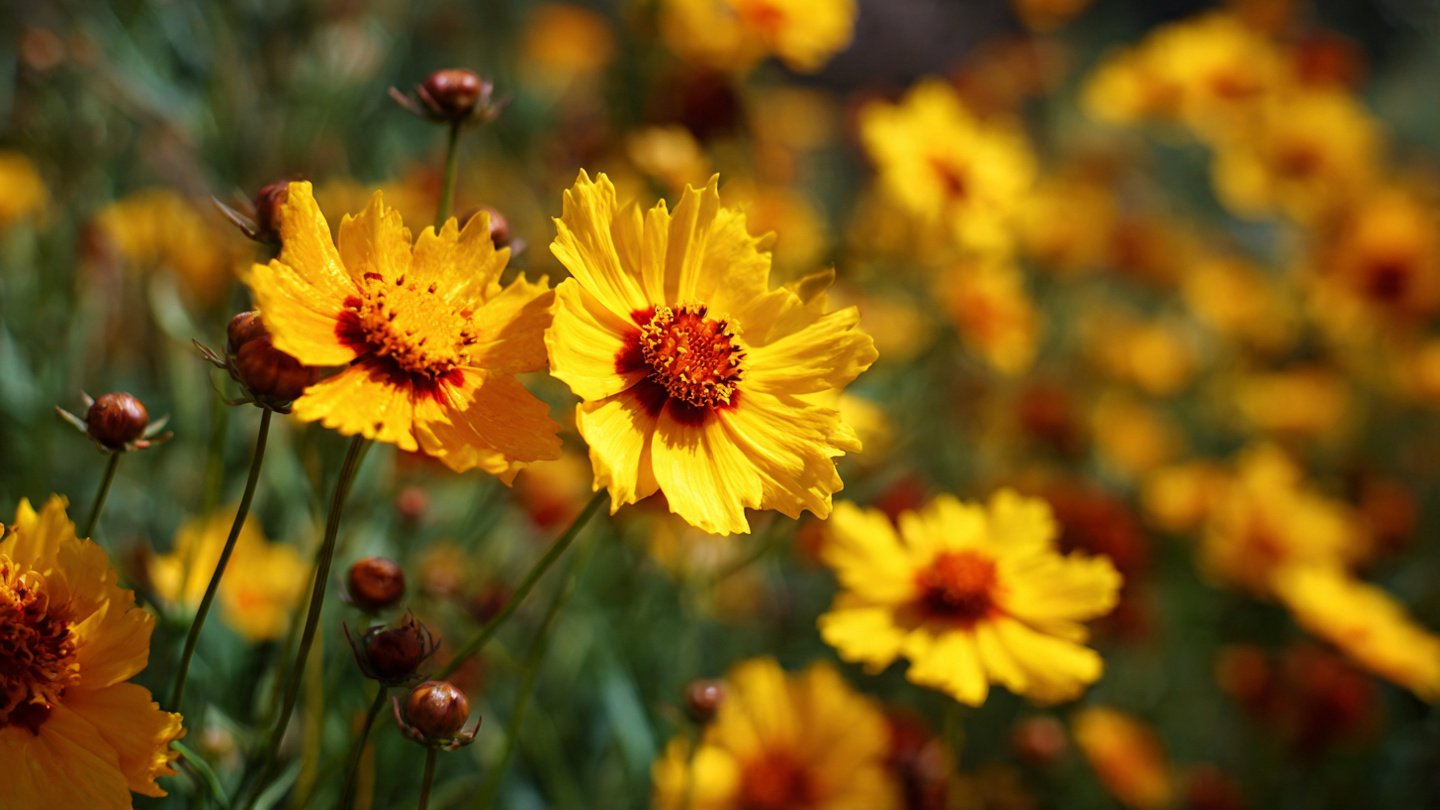
Coreopsis, commonly known as Tickseed, is a delightful flowering plant that belongs to the Asteraceae (daisy) family. Known for its cheerful, daisy-like flowers and resilience in various garden conditions, Coreopsis has become a favorite among gardeners. This guide will explore everything you need to know about growing and cultivating Coreopsis Tickseed flowers, from selection and planting to care and maintenance.
Understanding Coreopsis
Types of Coreopsis
Coreopsis species are diverse, with over 70 varieties. Some notable ones include:
- Coreopsis tinctoria: Known as Plains Coreopsis, this annual produces vibrant yellow and red flowers.
- Coreopsis grandiflora: This perennial variety, often called Large-flowered Coreopsis, features larger blooms and is popular for garden borders.
- Coreopsis verticillata: Also known as Threadleaf Coreopsis, this perennial type has slender leaves and produces a profusion of yellow flowers.
Growing Zones
Coreopsis thrives in USDA hardiness zones 3 to 9, making it suitable for a wide range of climates. Its adaptability allows it to flourish in both hot and humid conditions as well as cooler climates.
Preparing to Plant Coreopsis
Choosing the Right Location
Coreopsis prefers full sun, so select a spot in your garden that receives at least six hours of direct sunlight daily. While they can tolerate some shade, optimal growth occurs in bright sunlight. Well-draining soil is essential, as Coreopsis does not fare well in waterlogged conditions.
Soil Preparation
Testing the soil pH is crucial; Coreopsis loves slightly acidic to neutral soil (pH 6.0 to 7.0). If your soil is heavy clay or overly acidic, amend it with compost or well-rotted organic matter. This not only improves drainage but also enriches the soil, providing essential nutrients for your plants.
Planting Coreopsis
Seed vs. Nursery Plants
You can grow Coreopsis from seeds or buy nursery plants. If you start from seeds, sow them indoors about 6 to 8 weeks before the last frost, or directly into the garden in late spring. When purchasing nursery plants, look for healthy specimens with robust stems and vibrant foliage.
Planting Instructions
- Spacing: Space the plants about 12 to 18 inches apart, allowing ample room for their growth and spread.
- Depth: Plant seeds or seedlings about ¼ to ½ inch deep, ensuring they are covered with soil.
- Watering: Water the newly planted seeds or seedlings thoroughly to help them establish roots. Avoid overwatering, as excessive moisture can lead to rot.
Care and Maintenance
Watering
Once established, Coreopsis plants are relatively drought-tolerant. Water them deeply but infrequently, allowing the soil to dry out between watering sessions. During prolonged dry spells, you may need to water more frequently, but always ensure the soil drains well.
Fertilization
Coreopsis generally does not require heavy fertilization. A balanced, water-soluble fertilizer can be applied once in the spring, but be cautious not to over-fertilize, as this can inhibit flowering. Organic compost can also be beneficial.
Pruning and Deadheading
To encourage more blooms and prevent the plants from becoming leggy, deadhead spent flowers regularly. This practice not only keeps the plants looking tidy but also redirects energy back into producing new flowers.
Weed Control
Weeds can compete with Coreopsis for nutrients and water. Regularly check for weeds and remove them by hand. A layer of mulch around the base of the plants can help suppress weed growth while also retaining moisture in the soil.
Pests and Diseases
Common Pests
Coreopsis is generally pest-resistant, but occasional visitors may include:
- Aphids: These small sap-sucking insects can weaken plants but are often manageable with insecticidal soap.
- Spider mites: A result of dry conditions, spider mites can be controlled through regular watering and maintaining humidity.
Common Diseases
Coreopsis is susceptible to minimal diseases, but root rot can occur in poorly draining soil. Ensure good drainage and avoid waterlogging to prevent such issues.
Propagation
Division
Perennial Coreopsis can be propagated by division in the spring or fall. Gently dig up the clumps and separate them into smaller sections, ensuring each section has roots. Replant them immediately at the same depth they were previously growing.
Seeds
If you wish to collect seeds, allow some flowers to go to seed at the end of the blooming season. Once the seed heads have dried, collect the seeds and store them in a cool, dry place. They can be sown the following spring.
Seasonal Considerations
Bloom Time
Coreopsis typically blooms from late spring to early fall, depending on the variety. The uniform look of these flowers makes them ideal for borders, containers, and mixed perennial gardens.
Winter Care
In colder climates, providing a layer of mulch over the plants in the winter months can help protect the roots from freezing temperatures. Additionally, cut back the spent flower stalks to the ground in late fall to prepare for a vigorous comeback in spring.
Designing with Coreopsis
Garden Styles
Coreopsis works beautifully in various garden styles, including:
- Cottage Gardens: Its cheerful blooms blend effortlessly with other traditional blooms like daisies and coneflowers.
- Rock Gardens: The compact varieties are perfect for rockeries, adding pops of color.
- Wildflower Meadows: Plant Coreopsis among native grasses for a natural look.
Companion Planting
Coreopsis pairs well with other perennials such as Echinacea, Rudbeckia, and Salvia. Additionally, the bright yellow flowers attract beneficial insects like bees and butterflies, enhancing the biodiversity of your garden.
FAQs
Q1: How often should I water Coreopsis?
A1: Coreopsis is drought-tolerant once established, requiring watering only during prolonged dry spells. It’s best to water deeply but infrequently, allowing the soil to dry between sessions.
Q2: Can Coreopsis grow in shade?
A2: While Coreopsis prefers full sun, it can tolerate partial shade. However, flowering may be less prolific in shaded conditions.
Q3: How do I know if my Coreopsis needs fertilizer?
A3: If you notice poor growth or fewer blooms, it may be time to fertilize. However, over-fertilizing can lead to lush foliage with fewer flowers, so use a balanced fertilizer sparingly.
Q4: Is Coreopsis deer-resistant?
A4: Yes, Coreopsis is generally deer-resistant due to its aromatic foliage, making it less appealing to deer.
Q5: How do I divide my Coreopsis plants?
A5: In spring or fall, carefully dig up the Coreopsis clump, gently separate it into smaller sections, and replant immediately at the same depth.
Conclusion
Coreopsis Tickseed flowers are strikingly beautiful and require minimal care, making them an excellent choice for any garden enthusiast. With proper selection, planting, and maintenance, you can enjoy a vibrant display of blooms from late spring through fall. Whether you are an experienced gardener or a beginner, integrating Coreopsis into your garden will surely bring joy and color to your outdoor space. Happy gardening!