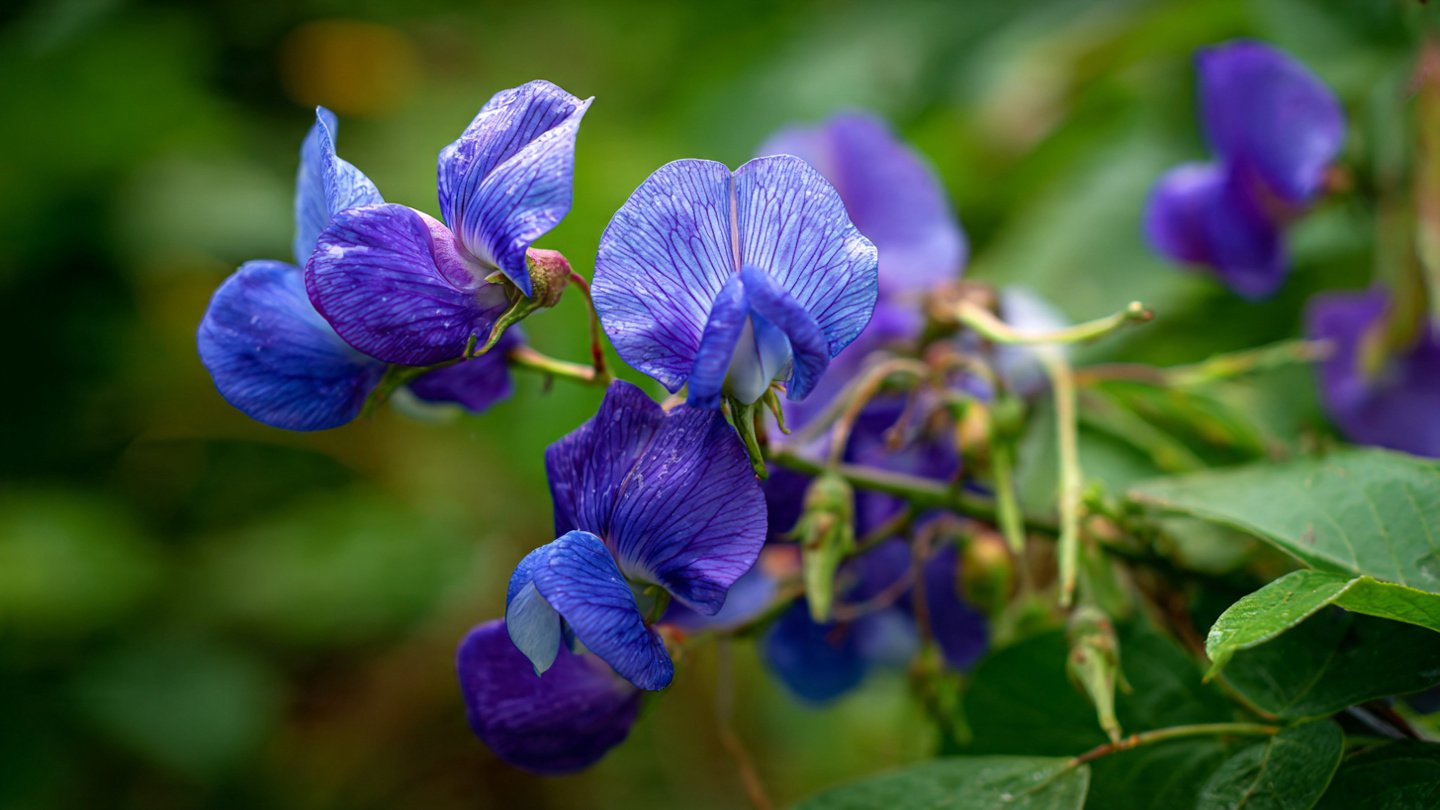
The Aparajita Blue Pea climber, scientifically known as Clitoria ternatea, is a stunning and versatile flowering plant that is gaining popularity among gardeners across the globe. Known for its vibrant blue flowers and beautiful foliage, this plant not only brings a splash of color to your garden but also offers medicinal and culinary uses. This comprehensive guide will explore its features, cultivation techniques, care tips, and common questions that gardeners have about the Aparajita Blue Pea climber.
Understanding the Aparajita Blue Pea Climber
Botanical Description
The Aparajita climber belongs to the Fabaceae family and is native to tropical regions of Asia. Apart from its eye-catching blue flowers, the plant features:
- Leaf Structure: The leaves are compound and consist of leaflets, providing lush greenery.
- Flowers: The flowers are trumpet-shaped, usually blooming in shades of blue and occasionally white, attracting pollinators like bees and butterflies.
- Growth Habit: This plant is a vigorous climber, often reaching up to 3 meters or more, making it ideal for trellises, fences, and arbors.
Cultural Significance
In various cultures, particularly in traditional medicine, Clitoria ternatea is revered for its health benefits. The flowers are often used in herbal teas and natural dyes and are associated with enhancing cognitive function and promoting relaxation.
Planting the Aparajita Blue Pea Climber
Choosing the Right Location
The first step in planting the Aparajita Blue Pea climber is selecting an appropriate spot in your garden. The plant thrives in:
- Sunlight: It prefers full sun exposure, although it can tolerate partial shade.
- Soil: Well-drained, loamy soil enriched with organic matter is ideal. The pH level should ideally be between 6.0 and 7.0.
Propagation Methods
There are two primary methods to propagate the Aparajita Blue Pea:
- Seeds: Sow seeds directly in the garden or start indoors. Soaking the seeds overnight can enhance germination rates.
- Cuttings: You can also propagate through 15-20 cm long stem cuttings taken from healthy plants, planted in well-draining soil.
Sowing Seeds
- Timing: Spring is the ideal time to plant.
- Depth: Plant seeds about 1 inch deep.
- Spacing: Space seeds 12 to 18 inches apart to ensure ample growth space.
Care and Maintenance
While the Aparajita Blue Pea is a hardy plant, it still requires regular care to flourish.
Watering
- Frequency: Water the plant adequately, especially during dry spells, ensuring the soil is consistently moist but not waterlogged.
- Method: Use a drip irrigation system or water at the base of the plant to avoid fungal issues.
Fertilizing
- Type: Use a balanced fertilizer every 4-6 weeks during the growing season.
- Application: Sprinkle the fertilizer around the base and water it in thoroughly.
Pruning
- Frequency: Prune the plant annually to promote bushier growth and remove any dead or unhealthy stems.
- Technique: Cut back the stems after the flowering season or in late winter.
Supporting Structures
Since this plant is a climber, provide ample support such as:
- Trellises: Wooden or metal trellises can enhance vertical space in your garden.
- Fences: Train the climber along existing fences.
Pests and Diseases
Being vigilant about potential threats is essential for maintaining a healthy plant.
Common Pests
- Aphids: These small insects can be controlled using insecticidal soap or neem oil.
- Spider Mites: Regularly misting the plant can deter these pests.
Diseases
- Root Rot: Avoid overwatering, ensuring proper drainage to prevent this condition.
- Powdery Mildew: Improve air circulation around the plant and avoid overhead watering.
Harvesting and Uses
Harvesting Flowers
The flowers can be harvested once they bloom. They can be used in various ways:
- Culinary: Ideal for teas, desserts, and coloring rice.
- Medicinal: Flowers are known for their antioxidant properties and cognitive benefits.
Storing Flowers
If you’re harvesting flowers for culinary uses, store them in a cool, dry place. Dried flowers can also be ground into a powder for later use.
Landscaping Ideas
The Aparajita Blue Pea will add character and vibrancy to any garden:
- Vertical Garden: Train the climber on a trellis for a beautiful vertical display.
- Hanging Baskets: Consider using hanging pots to allow for cascading blooms.
- Companion Planting: Pair with other flowering plants or vegetables that thrive in similar conditions.
FAQs
1. Is the Aparajita Blue Pea climber invasive?
No, it’s not considered invasive in most regions. However, it can spread quickly, so regular pruning is essential to manage its growth.
2. Can I grow Aparajita Blue Pea in a pot?
Yes! A large pot with good drainage can support its growth. Ensure it has a trellis or support system to climb.
3. What is the best season to plant?
Spring is the best season for planting seeds or cuttings due to favorable weather conditions that support growth.
4. Are there any special care requirements?
Apart from regular watering and sunlight, ensuring good drainage is crucial to prevent root rot.
5. Can the flowers be consumed?
Yes! The flowers are safe to eat and are often used in natural dyes and herbal teas. However, ensure you follow best practices for harvesting and preparing them.
6. How often should I fertilize my plant?
Fertilize every 4-6 weeks during the growing season with a balanced fertilizer to support growth.
7. Why are my leaves turning yellow?
Yellowing leaves can result from overwatering, nutrient deficiencies, or pests. Inspect the plant closely to determine the cause.
8. How tall does the Aparajita Blue Pea climber grow?
It can climb up to 3 meters and more, depending on the support and growing conditions.
9. Can I use Aparajita Blue Pea for teas?
Yes, the flowers can be steeped in hot water to make a vibrant blue tea, often used in traditional medicine.
10. How do I winterize the plant?
In colder regions, protect the plant by mulching around its base and covering it during extreme weather. In warmer climates, it usually thrives year-round.
Conclusion
The Aparajita Blue Pea climber is an attractive and beneficial addition to any garden. Its vibrant flowers and hardy growth make it suitable for both ornamental and practical uses. By following the tips laid out in this guide, you can cultivate a lush and flourishing Aparajita Blue Pea that adds beauty and utility to your outdoor space.
The journey of growing this beautiful climber can be rewarding and enjoyable, and with the right care and attention, you will surely enjoy its stunning blooms for years to come!