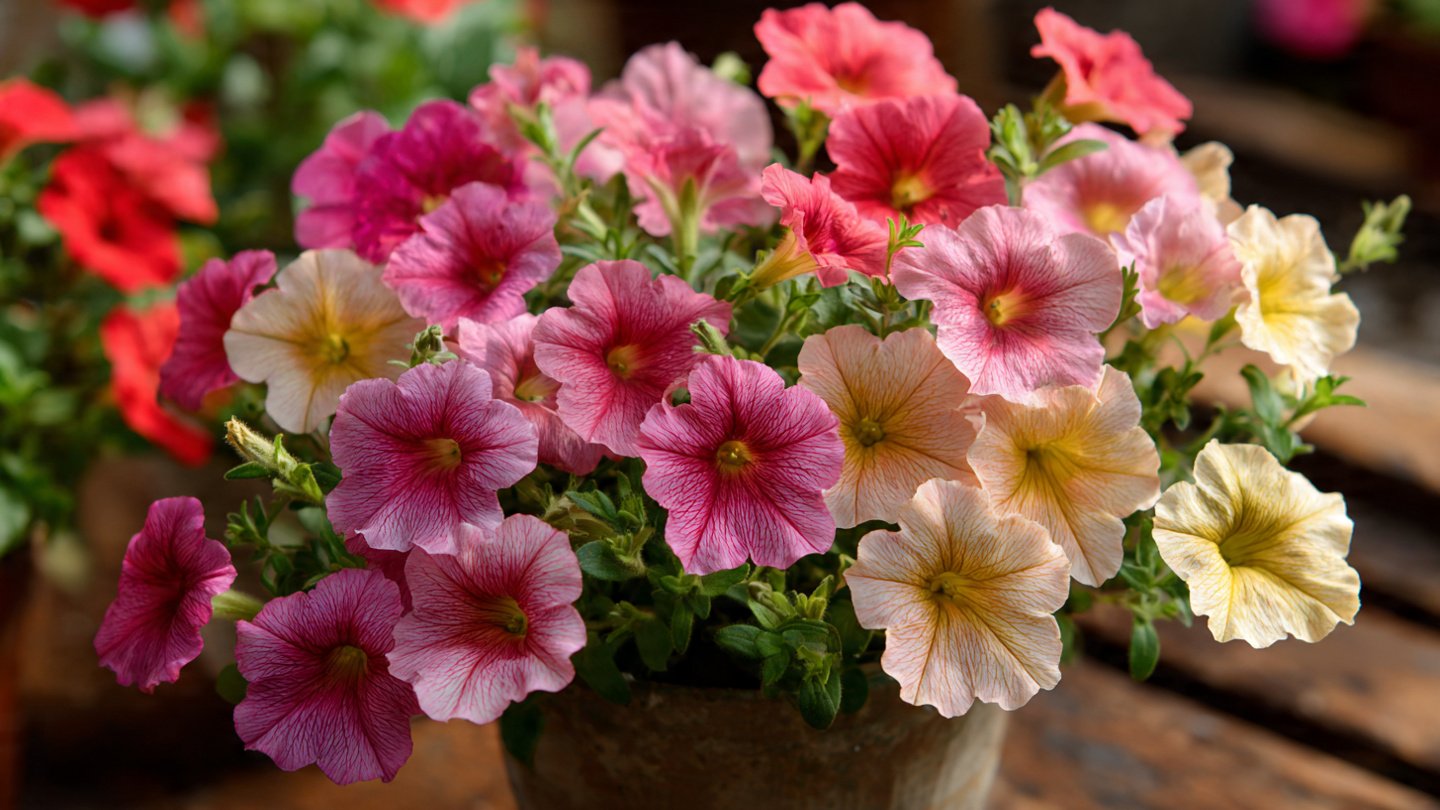
Petunias are among the most popular flowering plants for gardens and balconies due to their vibrant colors and diverse varieties. However, compact indoor varieties present an excellent opportunity for those who want to enjoy these blooms year-round in a controlled environment. Whether you’re a seasoned gardener or a novice, this guide will provide everything you need to know to successfully grow compact indoor petunias.
Understanding Petunia Types
Before diving into the care and cultivation specifics, it’s essential to understand the different types of petunias. The main varieties include:
-
Grandiflora: These are the standard petunias with large blooms. They tend to require more space and are less suitable for indoor settings.
-
Multiflora: Known for their smaller blooms, these varieties are more resilient and can bloom profusely, making them suitable for indoor use.
-
Trailing or Surfinias: These are excellent for hanging baskets but can take up significant vertical space, which may not be ideal for all interiors.
-
Compact varieties: As the name implies, these are bred specifically for small spaces and pots, making them perfect for indoor growth.
When selecting varieties, consider compact types such as Petunia “Pretty Much Series” or “Easy Wave” which provide stunning blooms without demanding too much space.
Choosing the Right Pot and Soil
Pot Selection
The first step in growing your indoor petunias is selecting an appropriate pot. Look for:
-
Size: A pot that is around 12 inches in diameter generally suffices for compact petunias. Ensure that it’s large enough to support root growth while allowing adequate drainage.
-
Material: Terracotta pots are excellent for breathability, while plastic pots retain moisture better. Choose based on your watering habits.
-
Drainage: Ensure there are drainage holes. Petunias are sensitive to overwatering and need well-drained soil.
Soil Type
Petunias thrive in well-draining soil rich in organic matter. Look for:
-
Potting Mix: A high-quality potting mix that contains peat moss, vermiculite, and perlite is ideal. You can also enrich it with compost to boost nutrient levels.
-
pH Level: Aim for a soil pH between 6.0 to 7.0. You can test this using soil pH test kits readily available at gardening stores.
Planting Indoor Petunias
Timing
The best time to plant compact indoor petunias is in the spring, after the last frost. However, indoor gardeners can start seeds or transplants at any time since they can control the environmental conditions.
Growing from Seeds or Transplants
-
From Seeds: If you’re starting from seeds, sow them in a seed tray filled with potting mix, lightly covering them with soil. Maintain moisture and provide warmth to encourage germination, which usually takes about 10-14 days.
-
Transplants: For those who prefer more immediate results, purchasing young plants from a nursery can save time. Transplant these into your pot and bury them up to their root ball.
Spacing
If growing multiple plants in one pot or multiple pots, ensure adequate spacing. A spacing of about 10 inches apart will promote healthy growth and airflow.
Care and Maintenance
Watering
Petunias thrive in moist but not soggy conditions. Here’s how to manage watering:
-
Frequency: Water the plants when the top inch of the soil feels dry. Overwatering can lead to root rot.
-
Method: Water the base of the plant rather than from above to prevent fungal issues on the leaves.
Fertilizing
Feeding indoor petunias is crucial for vigorous growth and blooming:
-
Type: Use a balanced fertilizer (e.g., 10-10-10) every two weeks during the growing season to promote flowering.
-
Organic Options: Consider liquid seaweed or fish emulsion for an organic approach.
Light Conditions
Petunias need plenty of sunlight for optimal growth. Ideally, position them in a location that receives 6-8 hours of direct sunlight daily.
- Artificial Lighting: If natural light is insufficient, consider using grow lights. Position the lights about 6-12 inches above the plants and leave them on for 12-16 hours a day.
Temperature and Humidity
Petunias thrive in warm conditions, with ideal temperatures ranging from 60°F to 75°F (15°C to 24°C).
- Humidity: They prefer moderate humidity levels. If your indoor air is too dry, consider using a humidity tray or a small humidifier.
Pruning and Deadheading
Regular pruning and deadheading can encourage a bushier plant and more blooms:
-
Deadheading: Remove faded flowers to encourage new blooms. Simply pinch or cut off the flower just above the first set of leaves.
-
Pruning: Pinching back the tips promotes branching and a fuller shape.
Common Pest and Disease Issues
Like any plant, petunias can encounter issues. Here are some common problems and their solutions:
Pests
-
Aphids: These tiny insects can suck the sap from your plants. Use insecticidal soap or neem oil as a treatment.
-
Spider Mites: These pests thrive in dry conditions. Increasing humidity can help control them.
-
Whiteflies: Sticky traps can help monitor and control whitefly populations.
Diseases
-
Powdery Mildew: This fungal disease appears as white powdery spots on leaves. Ensure good air circulation and avoid overhead watering to prevent it.
-
Root Rot: Typically caused by overwatering. Ensure pots have proper drainage and let the soil dry out between waterings.
Seasonality
While petunias are annuals in most regions, indoor growth allows you to enjoy blooms year-round. With controlled lighting and temperature, you can trick your plants into extending their blooming period. However, some rest may be needed:
- Dormancy: In late fall, allow your petunias to rest by cutting back on water and fertilization. They might bloom again in late winter or early spring.
FAQs
1. How often should I fertilize my indoor petunias?
Fertilize every two weeks during the growing season with a balanced fertilizer.
2. Why are my petunias not blooming?
Insufficient light, lack of nutrients, or overwatering are common reasons. Ensure they are receiving enough light and appropriate care.
3. Can I grow petunias in low light conditions?
Petunias prefer bright light. In low light, their growth may slow, and they may produce fewer blooms.
4. How can I propagate petunias?
You can propagate by taking cuttings from healthy plants and placing them in water or moist potting mix until they root.
5. Do petunias like to be crowded?
No, petunias benefit from good airflow and spacing. Overcrowding can lead to diseases.
6. What temperature is best for indoor petunias?
The ideal temperature range is between 60°F to 75°F (15°C to 24°C).
7. How do I know if my petunias need watering?
Check the top inch of the soil. If it feels dry, it’s time to water.
Conclusion
By following this comprehensive guide, you can create a vibrant display of compact indoor petunias that will bloom throughout the year. With their ease of care and the joy they bring, petunias can brighten your space and lift your spirits, making them an excellent choice for any indoor gardener. Happy planting!