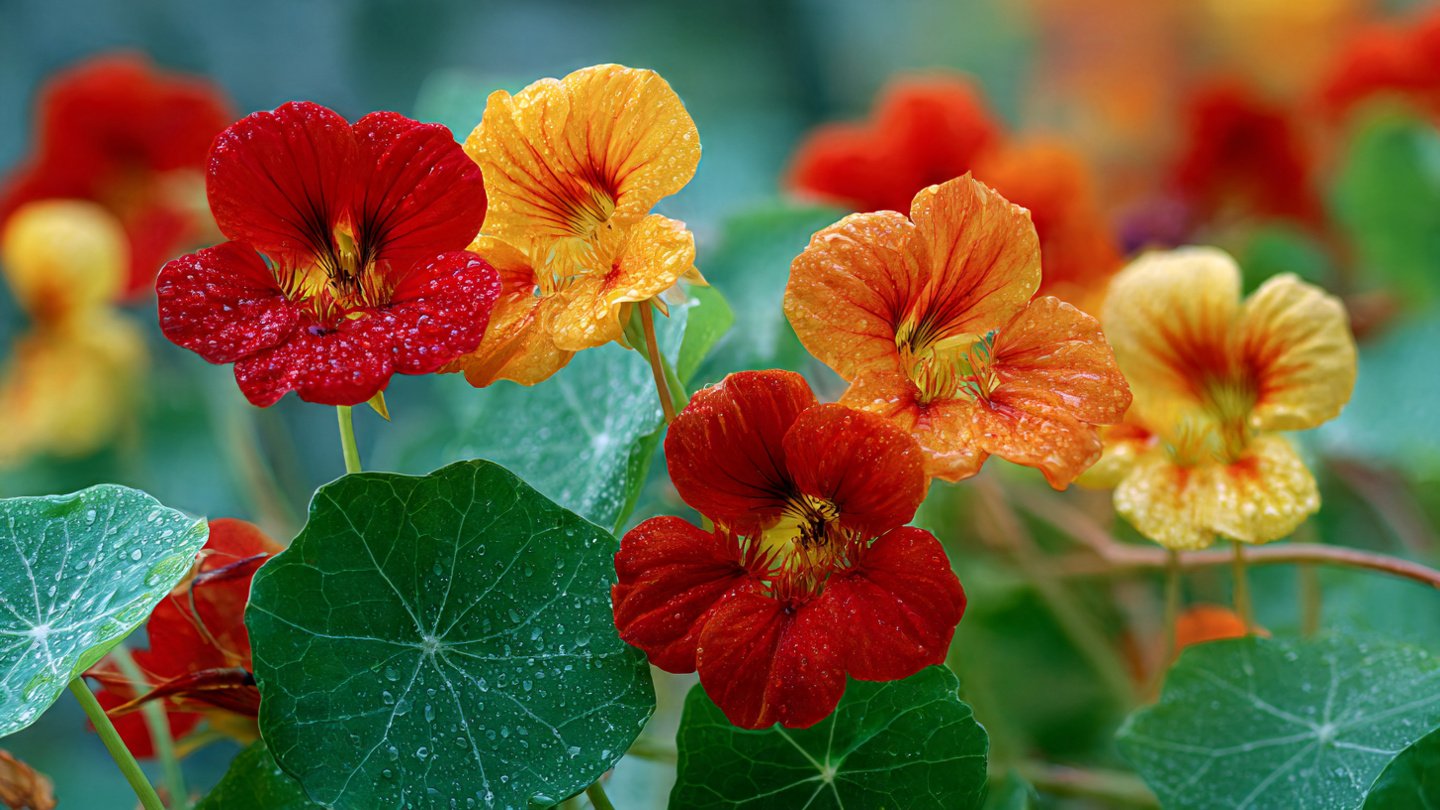
Introduction to Nasturtiums
Nasturtiums (Tropaeolum majus) are not only delightful flowers that bring a vibrant splash of color to gardens and hanging baskets, but they are also edible. Their distinct peppery flavor enhances salads and garnishes, making them a favorite among herbalists and chefs alike. This guide will help you understand the intricacies of growing trailing nasturtium varieties at home, ensuring you can enjoy their beauty and flavors all season long.
Understanding Trailing Nasturtium Varieties
Trailing nasturtiums differ from their bushy counterparts in growth habit. They have a sprawling, cascading nature, making them ideal for hanging baskets, containers, or as ground cover. Popular trailing varieties include:
- ‘Jewel Mix’: A vibrant mix of colors, including shades of red, yellow, and orange.
- ‘Alaska Mix’: This variety boasts variegated leaves and bright flowers, creating a stunning visual effect.
- ‘Explore Mix’: Known for its particularly long trailing stems, perfect for elegant hanging displays.
Why Grow Trailing Nasturtiums?
- Aesthetic Appeal: Their colorful blooms and lush foliage complement any garden or balcony.
- Edible Benefits: Both the flowers and leaves are edible, offering a spicy kick to dishes.
- Pest Deterrent: Nasturtiums are known to deter pests, protecting neighboring plants.
- Attractive to Pollinators: Their vibrant flowers attract bees and other pollinators, enhancing your garden’s ecosystem.
Preparing to Grow Trailing Nasturtiums
Choosing the Right Location
Nasturtiums thrive in full sun to partial shade. Ideally, choose a spot that receives at least 6 hours of sunlight per day. If growing them indoors, place them near a south-facing window that meets these light requirements.
Soil Considerations
Nasturtiums prefer well-draining soil that is moderately fertile. Tilling in organic compost can improve soil structure and fertility. Avoid overly rich soils, as this can lead to excessive foliage growth at the expense of blooms.
Containers and Planting Space
For hanging baskets, select containers that are at least 10-12 inches deep. Ensure there are drainage holes to prevent waterlogging. You can also mix trailing nasturtiums with other plants, creating stunning combinations.
Planting Nasturtiums
From Seeds
- Seed Selection: Choose quality seeds from reputable sources to ensure a high germination rate.
- Planting Time: In most regions, plant nasturtiums in late spring after the last frost. They can also be sown indoors 2-4 weeks before the last frost.
- Sowing Seeds: Plant seeds approximately 1 inch deep in moist soil, spacing them about 12 inches apart to allow for trailing growth.
- Watering: Water the seeds gently to keep the soil moist but not soggy.
Transplanting
If you started your seeds indoors, harden off the seedlings for about a week before transplanting them outdoors. This process involves gradually exposing them to outdoor conditions. After the last frost has passed, transplant young plants into hanging baskets or garden beds.
Caring for Trailing Nasturtiums
Watering
Nasturtiums require regular watering, especially in dry spells. However, they do not like to sit in water. Water at the base of the plant, allowing the soil to dry out slightly between waterings.
Fertilization
These plants typically do not require heavy fertilization. If your soil is low in nutrients, a balanced, slow-release fertilizer can be applied sparingly when planting. Remember that over-fertilization can lead to excessive leaf growth with fewer flowers.
Pruning and Maintenance
Prune trailing nasturtiums to encourage bushier growth and more flowers. Remove dead or yellowing leaves and spent flowers regularly. This process, known as deadheading, promotes new blooms and keeps the plant looking tidy.
Pest and Disease Management
Common Pests
- Aphids: These small insects can gather on leaves. A spray of water or insecticidal soap can help control them.
- Spider Mites: These pests thrive in dry conditions. Increase humidity around the plants and consider insecticidal soap if they become a problem.
Diseases
Nasturtiums can be susceptible to fungal diseases, especially in excessively damp conditions. Ensure good air circulation and avoid overhead watering. If disease occurs, remove affected leaves and ensure you’re following the proper care guidelines.
Harvesting and Using Nasturtiums
When to Harvest
You can begin harvesting leaves and flowers once the plants are well-established. Regular harvesting encourages more growth and blooms. Pick flowers on dry days to maintain their freshness.
Culinary Uses
The leaves can be used in salads, pestos, or as a garnish. The flowers add visual appeal and flavor. They’re often used in gourmet dishes and cocktails, enhancing both taste and presentation.
Propagating Nasturtiums
Taking Cuttings
While nasturtiums primarily grow from seeds, they can also be propagated from cuttings. Take a healthy stem cutting from an established plant, ensuring it has a few leaves. Place it in water or moist soil until roots develop.
Popular Companion Plants
Trailing nasturtiums work well with several plants, including:
- Radishes: Their growth helps deter pests while providing a contrasting texture.
- Cucumbers: Nasturtiums can protect cucumbers from aphids while both plants complement each other’s growth.
- Tomatoes: They provide shade and help attract pollinators.
FAQs
1. Can nasturtiums be grown indoors?
Yes, nasturtiums can thrive indoors if provided with sufficient sunlight. A sunny window is ideal.
2. Are nasturtiums annual or perennial?
Trails varieties of nasturtiums are usually treated as annuals, completing their life cycle in one growing season.
3. How do I store harvested seeds?
Allow the seeds to dry completely and store them in a cool, dry place in a paper envelope or bag. Properly stored seeds can remain viable for several years.
4. What should I do if my nasturtiums aren’t flowering?
If your nasturtiums are not flowering, check for nutrient levels, watering habits, and light conditions. Too much nitrogen can cause lush foliage but fewer flowers.
5. Are nasturtiums safe for pets?
Yes, nasturtiums are generally considered non-toxic to pets. However, moderation is key.
6. How can I get more blooms from my nasturtiums?
Regular watering, deadheading spent flowers, and planting in a location that receives adequate sunlight can help encourage more blooms.
Conclusion
Growing trailing nasturtiums at home can be a rewarding endeavor, both for their aesthetic beauty and culinary versatility. With proper care, these vibrant plants can flourish, enhancing your garden space with their colorful blooms and flavorful leaves. Whether used in salads, as a decorative garnish, or simply enjoyed for their beauty, nasturtiums are an excellent addition to any home garden. Happy gardening!