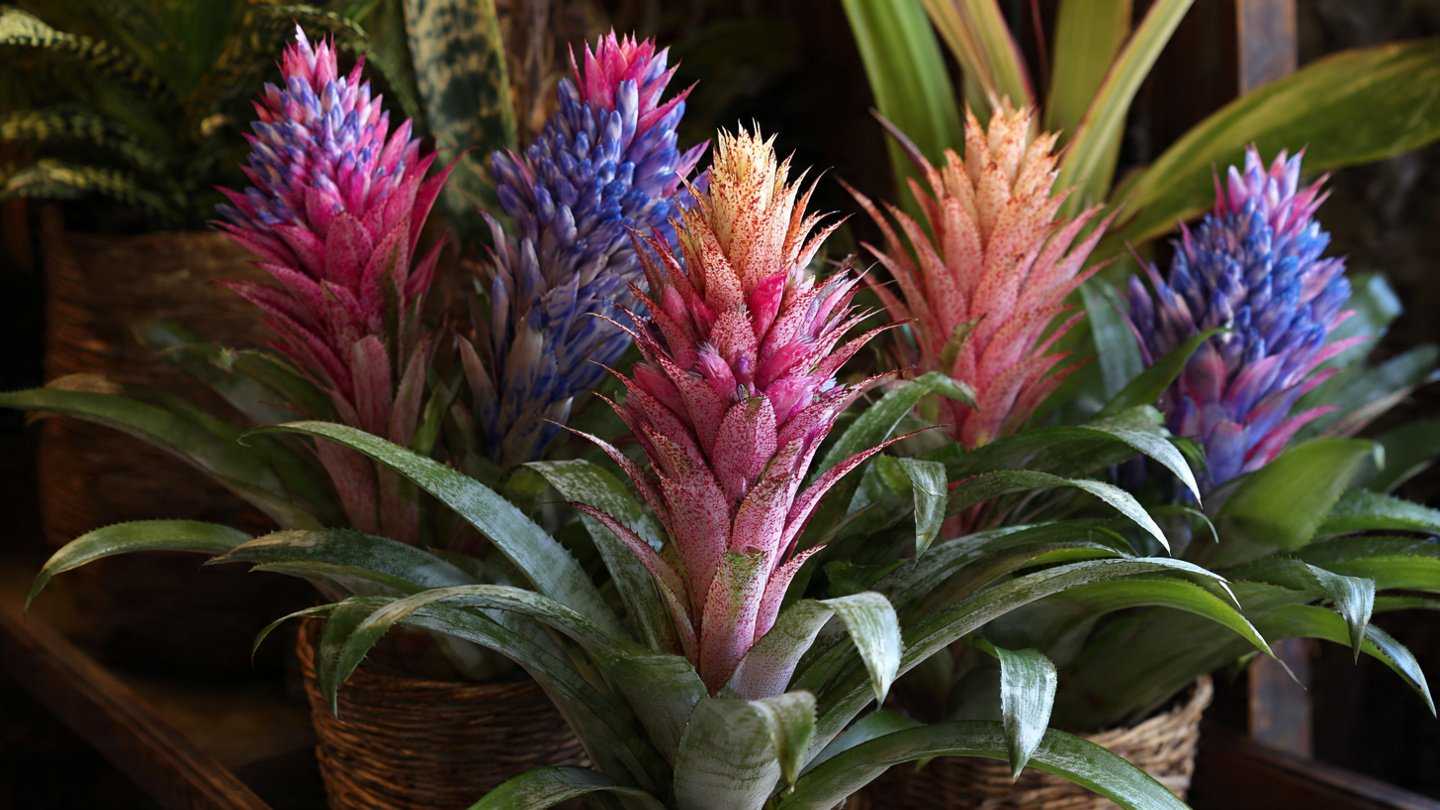
Aechmea bromeliads are not just ordinary plants; they are a vibrant addition to any indoor space, bringing a tropical flair that captivates the eyes. With their striking rosettes and colorful floral spikes, they can add charm to your home decor. This comprehensive guide outlines everything you need to know about successfully cultivating Aechmea bromeliads indoors, ensuring your home is not only beautiful but also thriving with life.
Understanding Aechmea Bromeliads
What Are Aechmea Bromeliads?
Aechmea is a genus of flowering plants under the Bromeliaceae family, consisting of over 200 species. These plants are native to tropical and subtropical regions, primarily in Central and South America. Their unique structures and vibrant flowering habits have made them popular as ornamental houseplants.
The Unique Characteristics of Aechmea
What sets Aechmea apart from other houseplants? Here are a few characteristics:
- Shape and Structure: Aechmea bromeliads typically have a rosette shape, with long, arching leaves that can be green, silver, or variegated. This makes them aesthetically pleasing even when not in bloom.
- Colorful Blooms: The plant’s inflorescence, which can range from vibrant pinks and purples to yellows and whites, is what most people admire. The blooming period can last several months, making it a seasonal highlight.
- Water Storage: Aechmean bromeliads are epiphytic, meaning they can thrive in less-than-ideal soil conditions because they can store water in their leaves and roots.
Selecting the Right Aechmea Variety
Before diving into caring for Aechmea bromeliads, it’s essential to choose the right variety. Some popular types include:
- Aechmea Blue Rain: Known for its stunning blue flower spikes, it can reach up to 24 inches tall.
- Aechmea Pink Flamingo: This plant features a striking pink flower and glossy green leaves, providing a cheerful burst of color.
- Aechmea recurvata: This smaller variety is perfect for compact spaces, sporting intricate leaf arrangements.
Each Aechmea variety has its charm, so select one that resonates with your home decor style.
Cultivating Aechmea Bromeliads Indoors
1. Ideal Lighting Conditions
Aechmea bromeliads thrive in bright, indirect light. Here are some lighting tips:
- Placement: Set your plant near a window that gets filtered sunlight. Avoid direct sunlight, as it can scorch the leaves.
- Supplemental Lighting: During the winter months or in darker rooms, consider using grow lights to provide adequate illumination.
2. Soil and Potting
The right potting mix is crucial for the health of your bromeliad:
- Soil Type: Use a well-draining potting mix. A blend of orchid bark, perlite, and peat moss works well, allowing for moisture retention without waterlogging.
- Pot Selection: Ensure the pot has drainage holes. Terra cotta pots are excellent for bromeliads, as they help wick away excess moisture.
3. Watering Techniques
Watering Aechmea bromeliads requires a specific approach:
- Watering the Plant: Fill the central cup formed by the leaves, keeping it about one-third full. This cup will collect water and nutrients.
- Soil Moisture: Allow the soil to dry out between waterings. Check the lower leaves and soil by sticking your finger into the soil; if it feels dry an inch deep, it’s time to water.
- Water Quality: Use distilled or rainwater, as bromeliads are sensitive to chemicals often found in tap water.
4. Humidity Needs
Aechmea bromeliads enjoy humidity, mimicking their native tropical environment:
- Humidity Levels: Ideal humidity levels are between 50% and 80%. In drier homes, especially during winter, consider placing a humidifier nearby.
- Humidity Tray: You can create a humidity tray by filling a shallow dish with pebbles and water, placing the pot on top. Ensure the bottom of the pot doesn’t sit in the water.
5. Fertilization
Fertilizing is essential for promoting healthy growth and vibrant blooms:
- Type of Fertilizer: Use a diluted, balanced liquid fertilizer or a specific bromeliad fertilizer. Fertilize during the growing season (spring and summer), once every four to six weeks.
- Avoid Over-Fertilizing: Over-fertilization can harm the plant. It’s best to err on the side of caution, particularly with map refill feeding.
6. Pruning and Maintenance
Pruning helps keep your Aechmea bromeliad healthy and well-shaped:
- Removing Dead Leaves: Trim any dead or brown leaves at the base using clean, sharp scissors. This encourages new growth and enhances the plant’s appearance.
- After Blooming Care: Once the plant has bloomed, the mother plant will eventually die back. However, it usually produces offsets or “pups.” Allow the pups to grow for a few months after the mother plant dies before transplanting them.
7. Repotting
Repotting your bromeliad is essential for health:
- Frequency: Typically, Aechmea bromeliads do not need frequent repotting. Repot every two to three years or when it outgrows its pot.
- Time to Repot: Spring is the best time to repot when the plant starts to grow actively.
Common Pests and Diseases
Even healthy Aechmea bromeliads can face issues with pests or diseases:
Common Pests
- Mealybugs: Look for white, cotton-like clusters on the plant. Use insecticidal soap or rubbing alcohol on a cotton swab to remove them.
- Spider Mites: Signs include webbing on the leaves. Increase humidity and use insecticidal soap to manage them.
Diseases
- Root Rot: Caused by overwatering, root rot presents as mushy, dark roots. To manage this, adjust your watering schedule and repot the plant if necessary.
- Fungal Infections: Watch for leaf spots and abnormal growth. Improving air circulation and reducing humidity can help eliminate these issues.
Tips for Success
- Rotate Your Plant: Rotating your pot periodically will help your Aechmea develop evenly, ensuring all sides receive adequate light.
- Temperature Control: Aechmea bromeliads prefer warmer temperatures, ranging from 65°F to 85°F. Avoid placing them in drafty areas.
- Patience is Key: Blooms can take up to two years to develop, so patience is necessary for abundant florals.
Incorporating Aechmea in Home Decor
Aechmea bromeliads are versatile in home decor. Consider these ideas:
- Centerpieces: Place a potted Aechmea on your dining or coffee table as a stunning centerpiece.
- Shelves and Bookcases: Aechmea can create a focal point on shelves or bookcases. Pair them with other greenery for an attractive display.
- Hanging Baskets: Some varieties work well in hanging baskets, adding vertical interest to your space.
FAQs
1. How often should I water my Aechmea bromeliad?
Water your Aechmea when the soil feels dry about an inch down, typically about once a week. Be sure to fill the central cup with fresh water.
2. Can I propagate Aechmea bromeliads from cuttings?
Yes, you can propagate Aechmea by taking offsets or “pups” that grow at the base of the plant. Wait until they are a few inches tall before separating and potting them.
3. How long do Aechmea blooms last?
The blooms of Aechmea can last several months, depending on the variety and care provided.
4. Why are my Aechmea leaves turning brown?
Brown leaves may indicate overwatering, underwatering, or exposure to too intense direct sunlight. Check your care routine to identify the issue.
5. Can Aechmea survive in low light conditions?
While Aechmea can tolerate low light for short periods, ideal conditions involve bright, indirect light for optimum growth and blooming.
6. What’s the best way to clean my Aechmea leaves?
Wipe the leaves gently with a damp cloth to remove dust. Avoid using leaf shine products, as they can clog the plant’s pores.
Conclusion
Cultivating Aechmea bromeliads indoors is a rewarding endeavor that yields stunning home decor. With their tropical charm, vibrant blooms, and relatively easy care requirements, these plants can transform your space. By following this guide, you can ensure your Aechmea thrives and provides an ever-changing showcase of beauty in your home. Embrace the joy of indoor gardening and let your Aechmea bromeliads bring life to your decor!