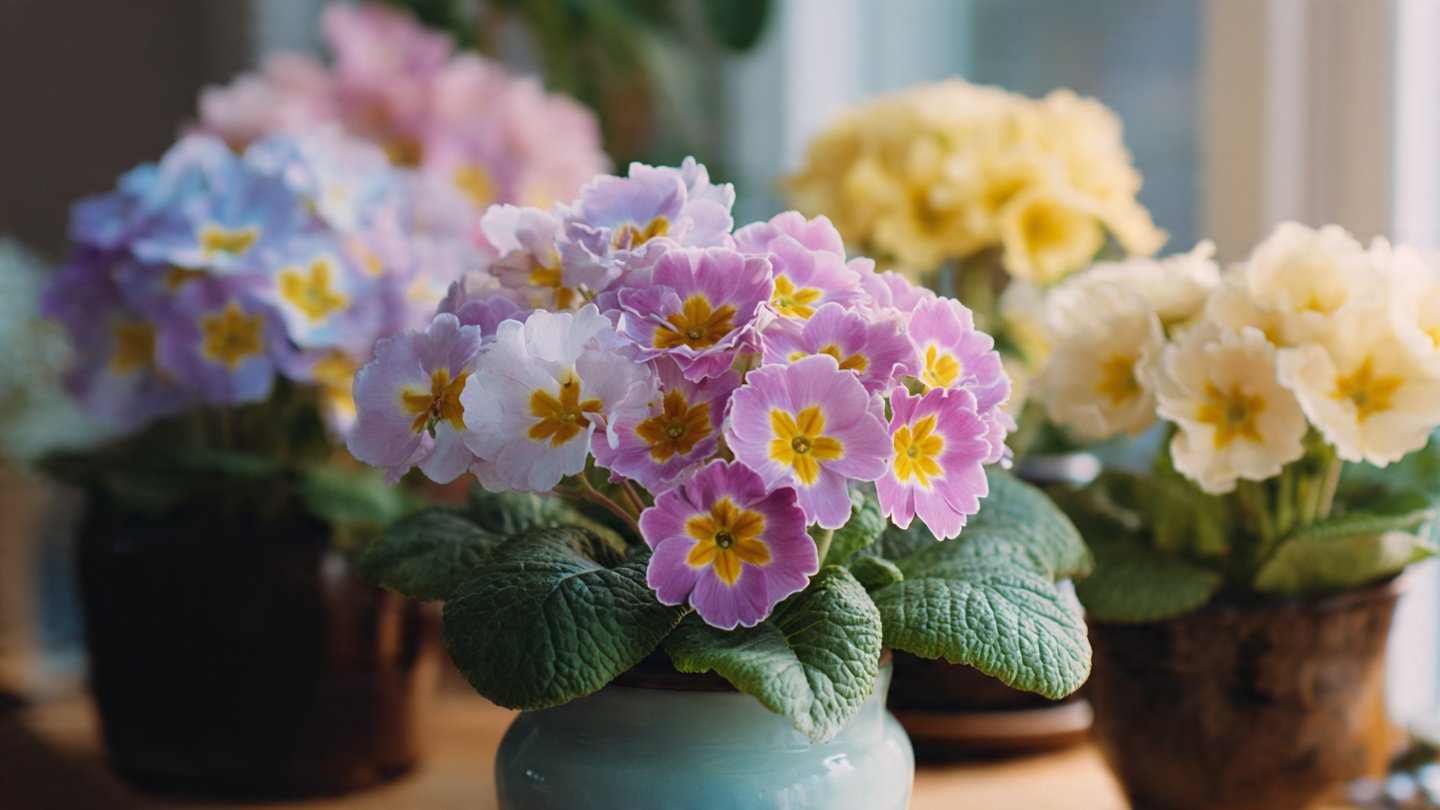
Primula obconica, commonly known as the Chinese primrose, is a popular houseplant recognized for its vibrant blooms and attractive foliage. With the right care and conditions, this perennial can thrive indoors, bringing a splash of color to your home. This comprehensive guide will explore how to cultivate Primula obconica successfully and address common questions about its care.
1. Understanding Primula Obconica
1.1 Botanical Background
Primula obconica belongs to the Primulaceae family and is native to eastern Asia. It is characterized by its rosette of leaves and clusters of small, colorful flowers that typically bloom from late winter to early spring. The plant comes in various colors, including shades of pink, blue, purple, and white, making it a favorite among gardeners and flower enthusiasts.
1.2 Ideal Growing Conditions
Primula obconica thrives in environments resembling its native habitat. Ideally, it prefers cooler temperatures, high humidity, and moderate light. Understanding these conditions will help you create a perfect environment for your plant.
2. Choosing the Right Location
2.1 Light Requirements
Primula obconica prefers bright, indirect light. Direct sunlight can scorch its leaves, while too little light may hinder blooming. A north or east-facing window is often ideal. If sunlight is limited, you can supplement with fluorescent grow lights.
2.2 Temperature Preferences
This plant thrives in cooler temperatures, ideally between 50°F to 65°F (10°C to 18°C). Avoid placing your Primula near heating vents or drafty windows to prevent temperature fluctuations.
2.3 Humidity Needs
Primula obconica enjoys high humidity levels. Aim for humidity levels between 40-60%. If your home’s humidity is low, consider using a pebble tray with water or a humidifier to maintain the desired moisture level.
3. Potting and Soil Requirements
3.1 Choosing the Right Pot
Select a pot with good drainage holes to prevent waterlogging. A plastic or ceramic pot works well; however, ensure that it is not too large, as overpotting can lead to root rot.
3.2 Soil Composition
Use a well-draining potting mix. A blend of peat moss, perlite, and vermiculite is ideal, providing aeration and moisture retention. You can also purchase premixed potting soil designed for African violets, which works well for Primula obconica.
4. Watering Your Primula Obconica
4.1 Watering Frequency
Primula obconica prefers evenly moist soil. Water when the top inch of soil feels dry. During the growing season (spring and summer), you may need to water more frequently, while in the cooler months, reduce watering.
4.2 Water Quality
It’s essential to use room-temperature water to avoid shocking the plant. Distilled or rainwater is preferable, as tap water can contain chemicals that may harm the plant.
5. Fertilizing Primula Obconica
5.1 When to Fertilize
Fertilize your Primula obconica every two to four weeks during the growing season (spring and summer). During the dormant period (late fall to winter), reduce or cease fertilization.
5.2 Choosing the Right Fertilizer
Use a balanced, water-soluble fertilizer (e.g., 20-20-20) diluted to half strength. Avoid over-fertilizing, as this can lead to leaf burn and inhibit flowering.
6. Pruning and Maintenance
6.1 Pruning Guidelines
Remove dead or yellowing leaves regularly to promote airflow and prevent diseases. Prune faded flowers to encourage new blooms and maintain a tidy appearance.
6.2 Pest Management
Common pests include aphids and spider mites. Inspect your plant regularly and treat infestations promptly with insecticidal soap or neem oil.
6.3 Repotting
Repot your Primula obconica every 1-2 years or when it outgrows its container. This process rejuvenates the soil and provides fresh nutrients.
7. Encouraging Blooming
7.1 Light and Temperature
Ensure your plant receives adequate light and is kept in cooler temperatures to encourage blooming. Sudden temperature changes can hinder flowering.
7.2 Support for Blooms
As blooms emerge, providing support is vital to prevent stems from bending or breaking. You may use wooden or plastic stakes if necessary.
8. Troubleshooting Common Issues
8.1 Leaf Drop
If your Primula obconica drops its leaves, it may be a sign of overwatering, underwatering, or unfavorable temperatures. Check the soil moisture and adjust your care routine accordingly.
8.2 Poor Blooming
If your plant is not blooming, it may not be receiving enough light or may be too warm. Evaluate its location and adjust the temperature if necessary.
8.3 Yellowing Leaves
Yellow leaves can indicate over-fertilization, waterlogging, or pest infestation. Check your care regime and inspect for pests.
9. FAQ Section
Q1: Can I grow Primula obconica outside?
A: While Primula obconica is typically grown indoors, you can grow it outdoors in cooler climates as long as it is planted in a shaded or partially shaded area. However, protect the plant from direct sunlight and freezing temperatures.
Q2: How often should I water my Primula obconica?
A: Water when the top inch of soil feels dry. This typically means watering once a week, but frequency can vary with environmental conditions.
Q3: Is Primula obconica safe for pets?
A: Primula obconica is generally considered non-toxic to pets. However, it’s always a good idea to monitor your pets around any plants.
Q4: How do I propagate Primula obconica?
A: Propagation is typically done through leaf cuttings or division. You can cut a healthy leaf into sections and place them in a moist potting mix. Ensure good humidity to encourage root development.
Q5: What should I do if my Primula obconica stops blooming?
A: If your plant stops blooming, evaluate its light conditions and temperatures. It may need more light or cooler conditions to encourage flowering.
Q6: Can I use regular potting soil for Primula obconica?
A: While you can use regular potting soil, it’s best to amend it with perlite or vermiculite for better drainage, as Primula obconica prefers a well-draining mix.
Q7: How long do Primula obconica plants typically live?
A: With proper care, Primula obconica can live for several years, although they are often grown as annuals or seasonal houseplants.
Conclusion
Cultivating Primula obconica can be a rewarding experience, adding beauty and life to your home. By providing the right conditions, care, and attention, you can enjoy the colorful blooms and lush foliage of this charming plant. Use this comprehensive guide as a roadmap to help you navigate the intricacies of growing Primula obconica successfully in your indoor environment. Happy planting!