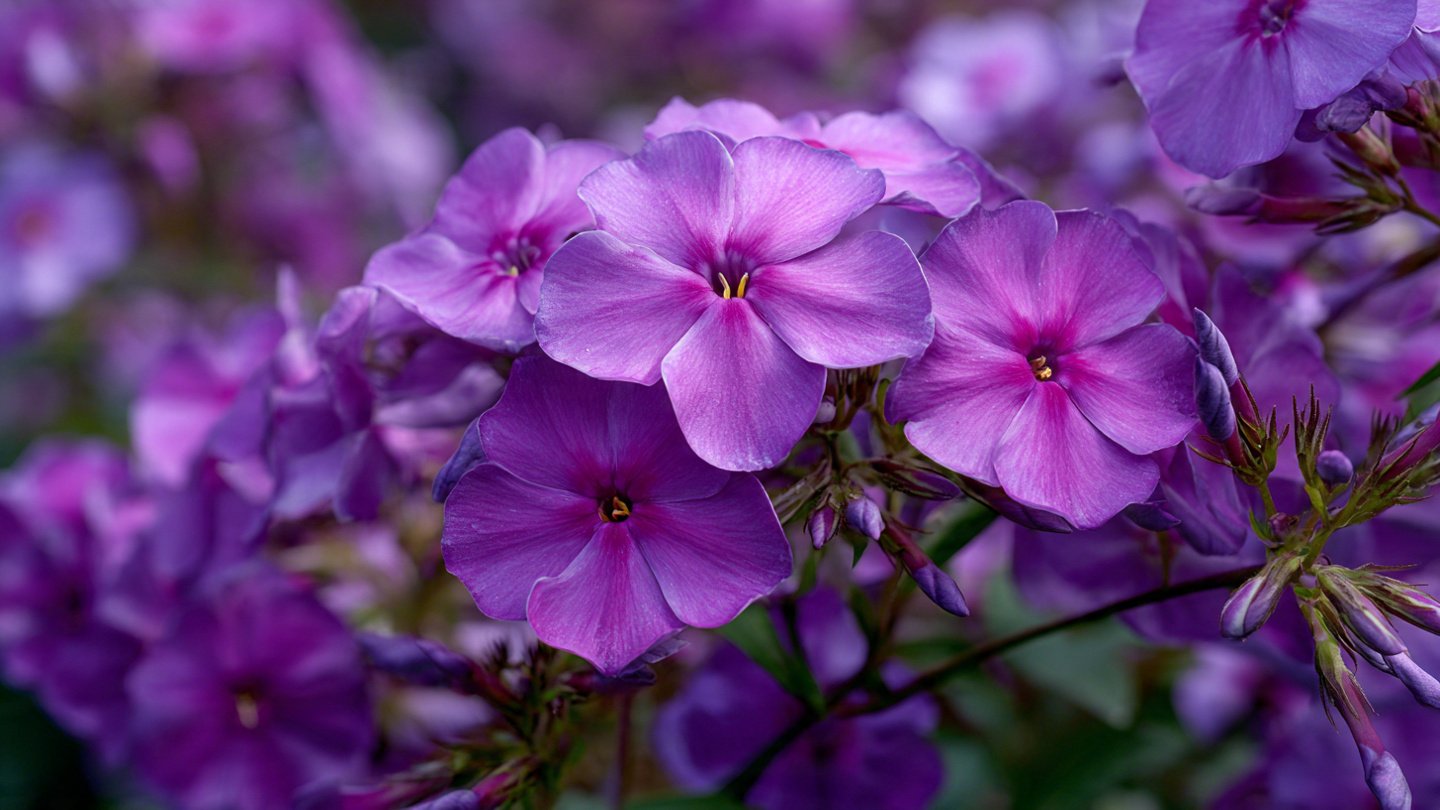
Introduction to Annual Phlox
Phlox is a classic garden flower known for its vibrant colors and long-lasting blooms. While there are perennial varieties, annual phlox, or Phlox drummondii, is particularly prized for its ability to produce a dazzling array of flowers throughout the summer. The cheerful hues range from soft pastels to bold, striking shades, making them a favorite among gardeners who seek to add a splash of color to their landscapes.
Choosing the Right Variety
When it comes to annual phlox, a plethora of varieties exists. Some of the most popular options include:
- Phlox drummondii ‘Cherry Star’: This variety showcases bright red flowers with a distinctive white star in the center.
- Phlox drummondii ‘Twilight’: Displays soft lavender hues that blend beautifully in mixed beds.
- Phlox drummondii ‘Pastel Mix’: Offers a blend of colors, perfect for creating a colorful tapestry in your garden.
Ideal Growing Conditions
Soil Requirements
Phlox thrives in well-draining soil enriched with organic matter. A loamy soil composition balances drainage and moisture retention, ensuring optimal growth. To prepare the soil, consider the following steps:
- Test Soil pH: Phlox prefers a pH of 6.0 to 7.0. Conduct a soil test to determine your garden’s pH levels.
- Add Organic Matter: Incorporate compost or well-rotted manure to enhance soil fertility.
- Improve Drainage: If your soil is heavy clay, consider adding sand or perlite to improve drainage.
Sunlight
Annual phlox loves the sun! Aim for at least 6-8 hours of full sunlight each day for proper growth and robust flowering. While they can tolerate a bit of shade, too much can lead to leggy plants with fewer blooms.
Planting Phlox
Timing
In most areas, annual phlox can be planted directly in the garden after the last frost. For earlier blooms, consider starting seeds indoors about 6-8 weeks before the last frost date. This allows the seedlings to establish before being transplanted outdoors.
Direct Sowing
- Prepare the Bed: Clear the area of weeds and debris, then loosen the soil to a depth of about 12 inches.
- Sow Seeds: Scatter the seeds thinly and cover lightly with soil. Aim for a spacing of about 10-12 inches apart to ensure ample airflow.
- Watering: Gently water the area to help settle the soil. Keep the area moist but not waterlogged until seedlings emerge.
Transplanting Seedlings
- Harden Off: If you started your seeds indoors, gradually acclimate them to outdoor conditions over a week.
- Transplant: Dig holes in your prepared garden bed, spacing them about 10-12 inches apart, and place the seedlings in the holes. Fill in with soil and gently water.
Care and Maintenance
Watering
Annual phlox requires consistent moisture, especially during dry spells. Aim to soak the soil to a depth of at least 6 inches. Depending on rainfall and temperature, watering once or twice a week should suffice. Be cautious not to let the soil become soggy, as this can lead to root rot.
Fertilization
To promote vibrant blooms, incorporate a balanced fertilizer once the plants are established. Use a slow-release fertilizer with a ratio of 10-10-10. Apply according to the package instructions, typically every 4-6 weeks during the growing season.
Pruning
Deadheading is crucial for maintaining the health and appearance of your phlox. Regularly remove spent flowers to encourage new blooms and extend the blooming period. You can also prune back leggy growth in the early summer to maintain a compact shape.
Pest and Disease Management
Phlox is generally quite resilient, but it can be susceptible to several pests and diseases:
- Pests: Aphids and spider mites can occasionally be a problem. Regularly inspect the undersides of leaves and treat infestations with insecticidal soap or neem oil.
- Diseases: Powdery mildew can arise, particularly in humid conditions. Ensure good air circulation by spacing plants properly and consider watering at the base rather than overhead.
Companion Planting
Phlox pairs beautifully with various other garden plants. Consider the following companions for a stunning display:
- Salvia: The tall spires of salvia contrast nicely with the more rounded flowers of phlox.
- Marigolds: Their vibrant colors complement phlox, and they can help deter pests.
- Snapdragons: Tall and colorful, they provide height contrast in arrangements.
Harvesting and Arranging Phlox
Phlox makes an excellent cut flower. To harvest:
- Timing: Cut the flowers early in the morning when they are fully open.
- Cutting: Use sharp scissors to ensure a clean cut. Trim stems to desired lengths.
- Arranging: Place phlox in a vase with fresh water, changing the water every few days to extend the life of the blooms.
Tips for Maximum Bloom
To ensure your annual phlox reaches its full potential, follow these tips:
- Thin Seedlings: If you’ve started seeds indoors, thin them out to avoid overcrowding.
- Regular Watering: Consistency is key; avoid letting the soil dry out completely.
- Fertilize Wisely: Avoid over-fertilizing, which can lead to more foliage but fewer blooms.
- Deadhead Regularly: This helps redirect energy toward new blooms.
FAQs About Annual Phlox
1. What is the difference between annual and perennial phlox?
Annual phlox lasts for one growing season, while perennial phlox comes back year after year, usually requiring less upkeep but different care in terms of winterization.
2. How often should I water my phlox?
Annual phlox should be watered regularly, particularly in dry conditions. Aim for consistent moisture without soggy soil.
3. Can I grow phlox in containers?
Yes! Annual phlox grows well in containers as long as they have adequate drainage and are positioned in full sun.
4. What should I do if my phlox has powdery mildew?
Improve air circulation by spacing plants accordingly and avoid watering the leaves. If the problem persists, treat with fungicidal sprays specifically formulated for powdery mildew.
5. Are phlox flowers edible?
While phlox is not toxic, it’s best to avoid consuming flowers unless you are certain of their safety. Always research and verify before trying any flowers in cooking.
6. When is the best time to plant phlox?
Plant phlox after the last frost in spring, or start seeds indoors 6-8 weeks before the last expected frost for earlier blooms.
7. How can I encourage longer blooming periods?
Regular deadheading, proper watering, and appropriate fertilization can significantly enhance bloom duration.
Conclusion
With their vibrant colors and delightful fragrance, annual phlox can transform any garden into a stunning floral display. By understanding their needs and providing the right care, you can enjoy a summer full of colorful blooms. Whether you’re a seasoned gardener or just starting, this guide serves as your road map to cultivating an eye-catching phlox paradise. Happy gardening!