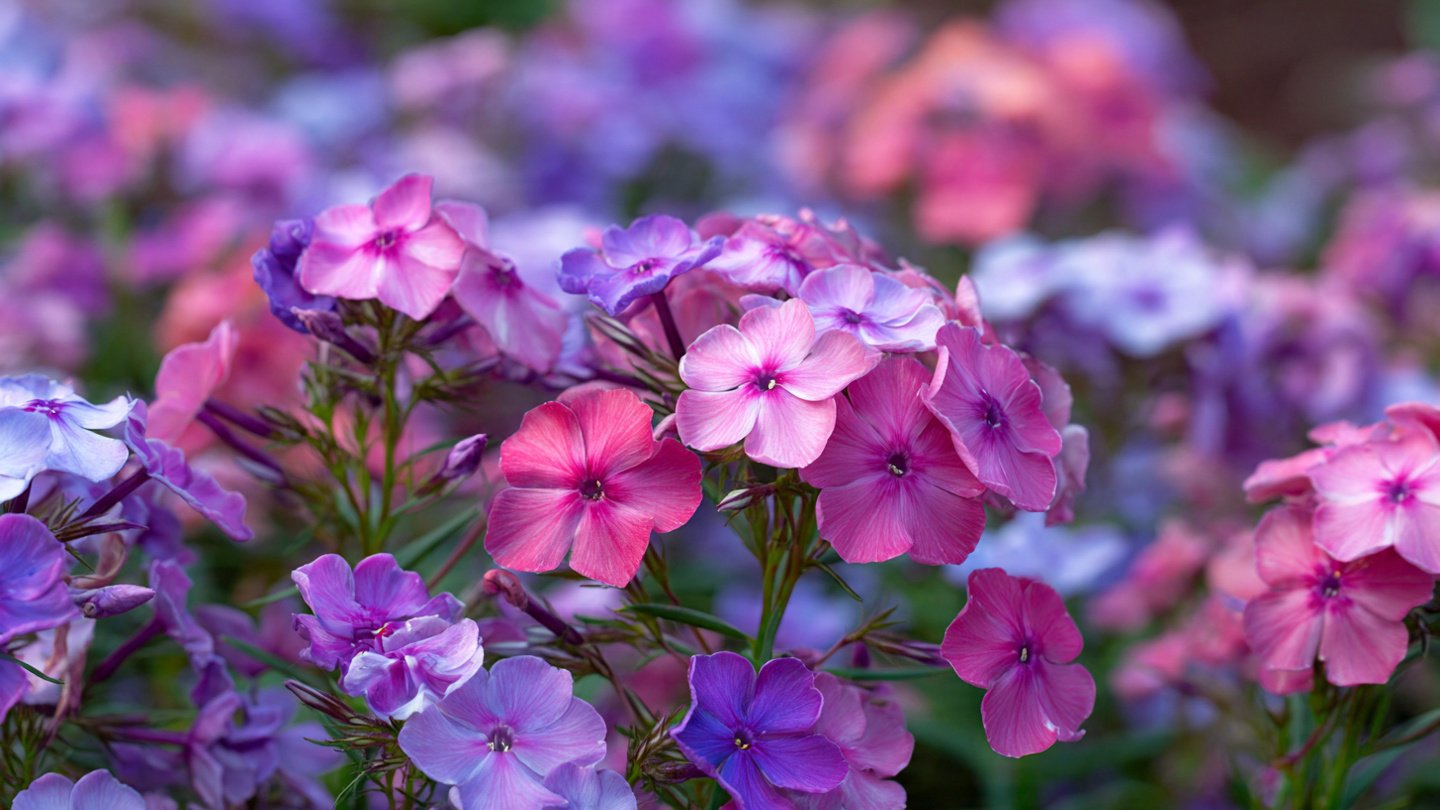
Phlox, known for its stunning array of colors and delightful fragrance, is a garden favorite that can brighten up any landscape. Whether you’re a novice gardener or a seasoned horticulturist, annual phlox (Phlox drummondii) is an excellent choice for adding vibrant color to your garden beds, containers, and borders. This guide will provide you with the essential tips and techniques for growing these beautiful flowers to achieve maximum bloom and color.
What is Annual Phlox?
Annual phlox is a charming flower that blooms continuously throughout the summer months, offering a splash of color from late spring to early fall. With varieties ranging from low-growing groundcovers to taller garden phlox, these flowers come in various colors, including pink, red, white, blue, and purple. They are beloved not only for their vivid hues but also for their delicate petals and generous blooming capacity.
Choosing the Right Variety
Before planting, consider which varieties of annual phlox suit your garden’s design and climate conditions:
- Phlox drummondii: The most common annual phlox, available in many colors and typically grows to about 12-18 inches tall.
- Phlox subulata: Often known as creeping phlox, this variety grows low and wide, making it ideal for ground cover.
- Phlox ‘Phlox Pop’ Series: A mixture of colors that offers uniform growth and a longer blooming season.
Ideal Growing Conditions
1. Soil Requirements
Phlox prefers well-draining, loamy soil rich in organic matter. A soil pH between 6.0 and 7.0 is ideal for healthy growth. Improving your soil with compost or well-rotted manure will not only provide essential nutrients but also enhance drainage.
2. Sunlight
Annual phlox thrives best in full sun. Aim for at least 6 hours of direct sunlight each day for maximum blooming potential. Although some shade can be tolerated, too little light may result in sparse flowers and leggy growth.
3. Watering
These plants prefer evenly moist soil but do not like to sit in water. Water your phlox regularly, especially during dry spells, ensuring that the soil remains damp but not soggy. Deep watering encourages robust root growth, especially during their early stages.
4. Temperature and Climate
Phlox is generally a warm-weather flower, thriving in USDA zones 3-10. They prefer temperatures between 60°F and 75°F. Consider your local climate when planting, as extreme temperatures can affect bloom quality.
Planting Annual Phlox
1. When to Plant
Timing is crucial when it comes to planting annual phlox. For most regions, the ideal time to plant is in the spring once the last frost has passed. Alternatively, if you are starting from seeds indoors, sow seeds about 8-10 weeks before the last frost date, then transplant the seedlings outdoors.
2. Planting Techniques
- Seeds: Plant seeds directly in the garden or start indoors using seed trays. If sowing outdoors, scatter the seeds on top of the soil and gently press them in, then lightly cover with soil.
- Transplants: If using nursery-grown plants, space them about 12-18 inches apart to allow for adequate airflow and growth.
Caring for Annual Phlox
1. Fertilizing
To ensure vibrant blooms, feed your phlox with a balanced, slow-release fertilizer every 6-8 weeks during the growing season. A fertilizer high in phosphorus encourages blooming, while added nitrogen helps with foliage growth.
2. Pruning
Regular deadheading—removing spent flowers—will promote new blooms and prolong the flowering season. Additionally, trimming back the plants in late summer can encourage a fresh flush of growth in fall, especially if the weather remains mild.
3. Pest and Disease Management
While annual phlox is generally hardy, they can be susceptible to pests such as aphids, spider mites, and whiteflies. Regularly inspect the plants and use insecticidal soap if necessary. Fungal diseases like powdery mildew can be a concern in humid conditions, so ensure proper air circulation by spacing plants adequately.
4. Mulching
Applying a layer of organic mulch around the base of the plants helps retain moisture, suppresses weeds, and maintains a consistent soil temperature. Use materials like straw, shredded bark, or wood chips, ensuring you keep it a few inches away from the plant stems to prevent rot.
Designing Your Garden with Annual Phlox
1. Color Combinations
One of the enchanting aspects of annual phlox is the ability to create beautiful color combinations. Pair phlox with complementary flowers like marigolds, salvia, or daisies to create an eye-catching display.
2. Planting in Containers
Annual phlox can also thrive in containers, making them perfect for patios or balconies. Choose pots at least 12 inches deep for healthy root development. Mixing phlox with trailing plants like lobelia and ivy creates stunning vertical displays.
3. Creating Borders and Edges
Utilize annual phlox as border plants to delineate garden spaces. Their vibrant colors can guide the eye and add structure to your landscaping.
Harvesting and Using Annual Phlox
Annual phlox makes beautiful cut flowers that can brighten up any indoor space or event. When harvesting, cut the stems in the early morning for maximum freshness. Place them in water immediately to help prolong their life. They also make excellent additions to mixed bouquets due to their vibrant colors and pleasant fragrance.
FAQs
Q1: How long do annual phlox flowers bloom?
A: Annual phlox typically blooms from late spring to early fall, depending on growing conditions.
Q2: How can I prevent powdery mildew on phlox?
A: Ensuring good air circulation by spacing plants adequately, avoiding overhead watering, and applying fungicides can help prevent powdery mildew.
Q3: Can I grow annual phlox in partial shade?
A: While annual phlox can tolerate some shade, they perform best in full sun for optimal blooming.
Q4: Is annual phlox deer-resistant?
A: Generally, deer tend to avoid phlox due to its low palatability; however, they may browse if food is scarce.
Q5: How often should I water annual phlox?
A: Water your phlox regularly to keep the soil evenly moist, especially during dry spells. Aim for about 1 inch of water per week, adjusting based on weather conditions.
Conclusion
Growing vibrant annual phlox flowers in your garden can yield spectacular rewards. With the right care, attention, and creativity in design, you can enjoy a garden bursting with color and life. Whether in beds, borders, or containers, these flowers will undoubtedly enhance your outdoor landscape—providing maximum bloom and color from spring through fall. Happy gardening!