Introduction
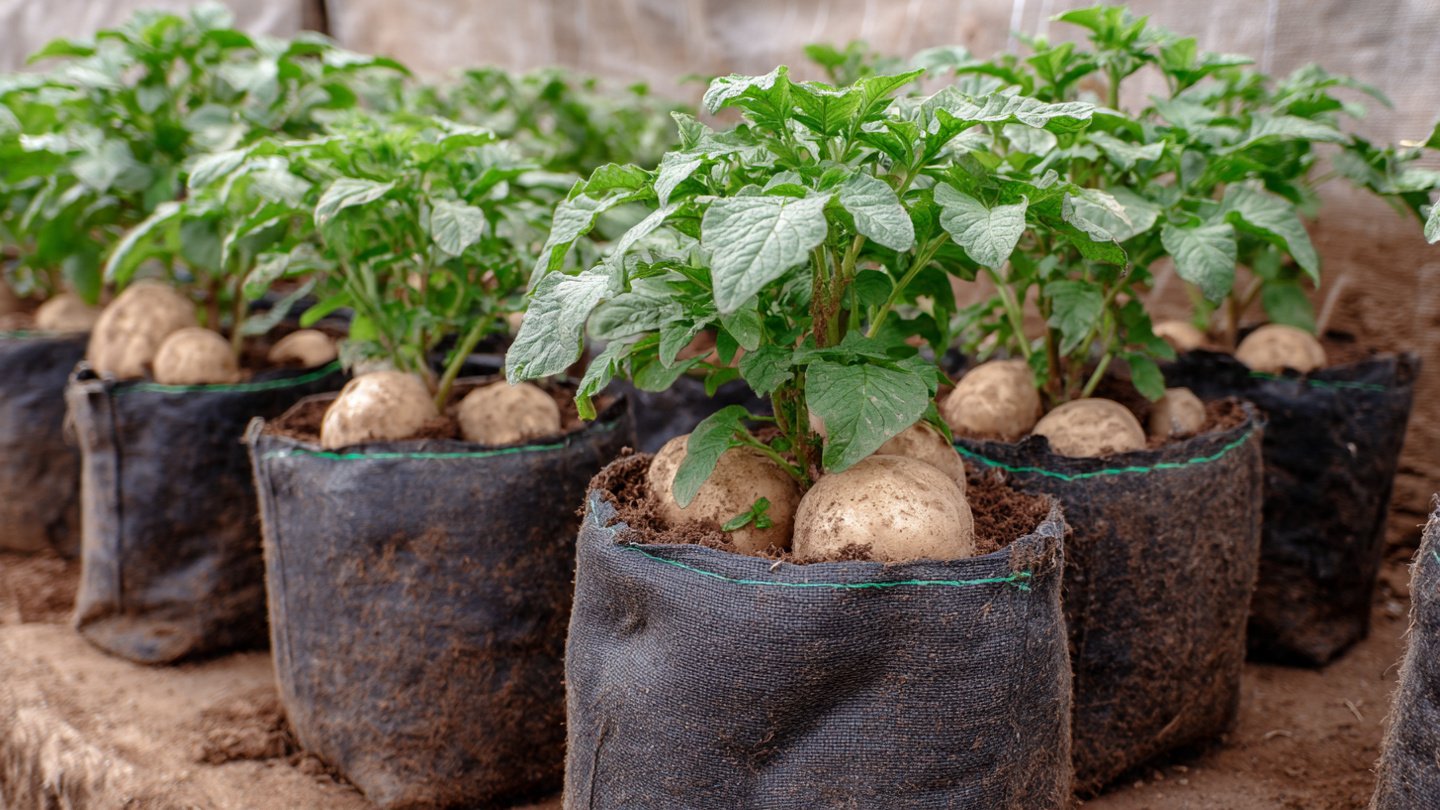
Growing potatoes in grow bags is an innovative and space-efficient technique that has been gaining popularity among gardeners. Whether you’re an urban gardener with limited land or someone looking to maximize yields from a small area, this method can be incredibly rewarding. Not only do grow bags offer better drainage and aeration, but they also allow for easy harvesting and management of soil conditions. This article will guide you through the best methods to grow potatoes in grow bags, ensuring maximum yield and flavor.
Why Grow Potatoes in Grow Bags?
1. Space Efficiency
Grow bags allow you to cultivate potatoes in limited spaces such as balconies, patios, or small gardens. They can be placed wherever there is enough sunlight, making gardening accessible and versatile.
2. Improved Drainage
The porous nature of grow bags ensures that excess water drains away, minimizing the risk of waterlogged soil and reducing susceptibility to diseases like blight.
3. Temperature Regulation
Grow bags can help regulate soil temperature, keeping it warmer in cooler climates and cooler in hot weather, which supports healthier potato growth.
4. Easy Harvesting
Harvesting potatoes from grow bags is simpler than traditional methods. You can simply tip over the bag and collect the potatoes without digging.
Selecting the Right Grow Bag
1. Size Matters
Choose grow bags that are at least 5 to 10 gallons in size for optimum potato growth. A larger bag allows for more soil and promotes larger tuber development.
2. Material
Look for durable, breathable materials like fabric, which provide better drainage and aeration. Avoid plastic bags, as they can retain too much moisture and heat.
3. Color
Dark-colored bags absorb more heat, while lighter colors reflect sunlight. Consider your climate when choosing the bag color. For hotter regions, opt for lighter bags to prevent heat stress.
Choosing the Right Potato Variety
1. Early Varieties
If you’re looking for a quick harvest, early varieties like “Earlies” can be harvested just 70-90 days after planting.
2. Mid-Season Varieties
These varieties, such as “Yukon Gold,” yield medium-sized potatoes and are great for various culinary uses.
3. Late Varieties
For larger yields and longer storage capabilities, consider late-season varieties like “Russet” or “Idaho.”
4. Disease Resistance
Select disease-resistant varieties if you’re growing in areas prone to potato diseases.
Preparing Grow Bags for Planting
1. Soil Mixture
A well-draining soil mix is crucial for successful potato cultivation. A recommended mixture includes:
- 40% potting soil
- 30% compost
- 30% perlite or vermiculite
This blend provides essential nutrients, good drainage, and sufficient aeration.
2. Fertilization
Incorporate a balanced fertilizer into your soil mixture. Choose a mix that is high in phosphorus (like a 5-10-10) to promote tuber development.
Planting Potatoes in Grow Bags
1. Chitting Potatoes
Chitting is the process of sprouting seed potatoes before planting. Place seed potatoes in a light, cool environment for a few weeks until they develop shoots.
2. Planting Depth
Fill your grow bag with about 6 inches of soil. Place the chitted seed potatoes about 12 inches apart and cover them with an additional 2-3 inches of soil.
3. Watering
Water your potatoes thoroughly after planting. Maintain consistent moisture without over-saturating the soil. The general rule is 1-2 inches of water per week, depending on your climate.
Care and Maintenance
1. Watering Schedule
Monitor the moisture level in the grow bags. The soil should be kept moist but not soggy. Water more frequently during hot, dry spells.
2. Fertilization
Apply a high-potassium fertilizer every three to four weeks to stimulate tuber growth. This could be in the form of a liquid fertilizer diluted to half strength.
3. Hilling
As the potato plants grow, regularly add 4-6 inches of additional soil to the top of the grow bag. This process, known as hilling, encourages more tubers to grow along the buried stems.
4. Pest Control
Watch for common pests like aphids and Colorado potato beetles. Implement organic pest control methods, such as neem oil or insecticidal soap, to keep them at bay.
Harvesting Potatoes
1. Knowing When to Harvest
For new potatoes, wait until the plants start to flower. For mature potatoes, leave them in the ground until the foliage turns yellow and dies back.
2. Harvesting Technique
Carefully tip the grow bag over onto a soft surface like grass or a tarp. Gently sift through the soil to collect the potatoes.
3. Post-Harvest Care
Allow harvested potatoes to cure in a cool, dark place for a few days to harden their skins before storage.
Storing Potatoes
Store your harvested potatoes in a cool, dark place with good ventilation. Ideal storage temperatures range from 45 to 50 degrees Fahrenheit. Avoid storing potatoes in the refrigerator, as cold temperatures can convert the starches into sugars.
Troubleshooting Common Issues
1. Yellowing Leaves
This could indicate nutrient deficiency, overwatering, or pests. Check for these factors.
2. Poor Growth
Ensure the grow bags receive enough sunlight (at least 6-8 hours a day) and maintain watering schedules.
3. Rotting Tubers
Excessive moisture can lead to rot. Ensure good drainage and avoid overwatering.
FAQs
1. Can I use regular garden soil in grow bags?
Using regular garden soil is not advisable due to compaction and poor drainage. A specialized potting mix is better.
2. How many potatoes can I grow in one grow bag?
In a 10-gallon grow bag, you can typically plant about 4-5 seed potatoes.
3. What can I do if my potatoes are not sprouting?
Ensure you are using healthy, viable seed potatoes and provide optimal moisture and warmth.
4. How can I tell when my potatoes are ready to harvest?
Look for yellowing and dying foliage for mature potatoes, or check for blooms for new potatoes.
5. Is it necessary to hill the potatoes?
Yes, hilling is essential as it encourages additional tuber growth and helps with weed control.
6. Can I reuse grow bags the next season?
Yes, but ensure they are cleaned and free of any disease before reuse. A new soil mixture is also recommended.
7. What’s the best time to plant potatoes in grow bags?
Plant potatoes in early spring after the last frost, or in late summer for a fall harvest.
Conclusion
Growing potatoes in grow bags is an accessible and effective gardening method that can lead to impressive yields and exceptional flavor. By following the steps outlined in this guide, from selecting the right variety and grow bag to proper care and harvesting techniques, you can enjoy a bountiful potato harvest in any space. Happy gardening!