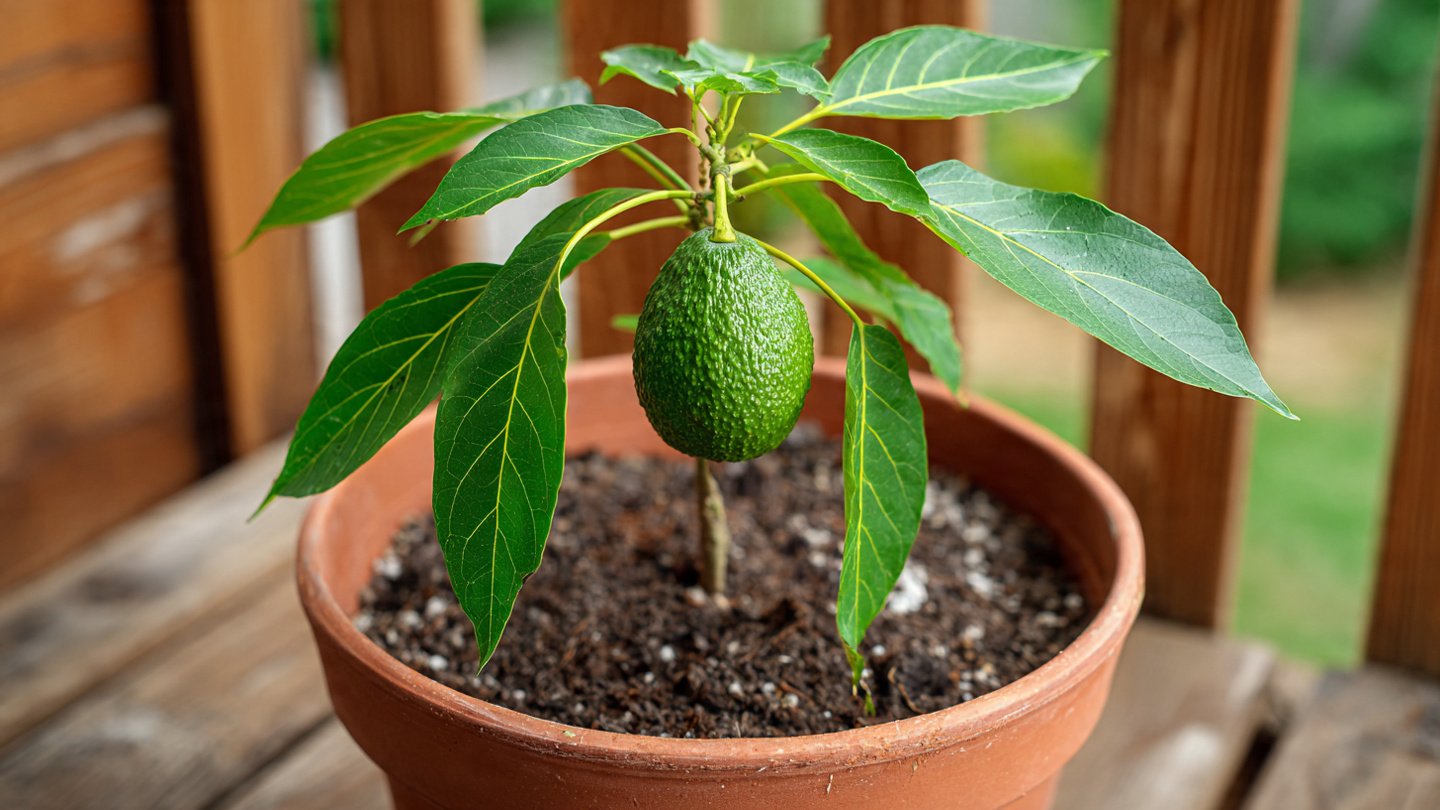
Growing avocados in pots is an enjoyable and rewarding endeavor for many gardening enthusiasts. This method allows you to cultivate these delicious, nutrient-rich fruits even in limited spaces like balconies, patios, or small backyards. In this comprehensive guide, we will walk you through every step of the process—from selecting the right variety to harvesting your first avocado.
Choosing the Right Variety
When growing avocados in pots, the choice of variety is crucial. Generally, there are three main types of avocados:
- Mexican Avocados (Persea americana var. drymifolia): These varieties thrive in warmer climates and are known for their small leaves and high-fat content.
- Example: ‘Hass’ is one of the most popular types, known for its creamy texture.
- Guatemalan Avocados (Persea americana var. guatemalensis): These are hardy trees that can tolerate cooler temperatures and have a smooth skin.
- Example: ‘Fuerte’ is a hybrid of Guatemalan and Mexican varieties, and it’s suitable for growing in pots.
- West Indian Avocados (Persea americana var. americana): These varieties thrive in tropical conditions and have larger fruits with lower fat content.
- Example: ‘Bacon’ is a popular West Indian variety, though it is less frequently grown in pots.
For container gardening, the Mexican varieties, particularly the ‘Hass,’ are highly recommended due to their adaptability and productivity.
Selecting the Right Pot
Choosing the right pot is essential for the successful growth of your avocado tree. Here are some factors to consider:
- Size: Start with a pot that is at least 10-15 gallons to allow the roots ample room to grow. As the tree matures, you may need to transplant it into a larger pot.
- Material: Use materials like clay, ceramic, or heavy-duty plastic. These options can help prevent root rot by allowing excess moisture to escape.
- Drainage: Ensure the pot has drainage holes at the bottom. Avocados are prone to root rot if their roots sit in stagnant water.
- Mobility: Consider using a pot with wheels or a lightweight material, so you can easily reposition your avocado tree to optimize sunlight exposure.
Soil Preparation
Soil plays a critical role in the success of your potted avocado tree. Here’s how to prepare it effectively:
- Soil Mix: A well-draining potting mix is vital. You can create an ideal blend using:
- 60% potting soil
- 20% perlite or coarse sand
- 20% compost or organic matter
- pH Level: Avocados prefer slightly acidic to neutral soil with a pH of 6.0 to 7.0. You can test your soil with a pH meter and adjust accordingly.
- Nutrients: Incorporate slow-release fertilizers, like those made for citrus trees, once every few months to ensure the tree gets enough nutrients.
Starting from Seed
Growing an avocado tree from a seed can be a fun project. Here’s how to do it:
- Removing the Pit: After enjoying your avocado, gently clean the pit to remove any remaining flesh.
- Preparing the Seed:
- Insert three toothpicks into the seed, ensuring they are evenly spaced.
- Place the seed, toothpicks down, over a glass of water. The water should cover about an inch of the seed.
- Sunlight and Warmth: Place the glass in a warm location with indirect sunlight. Change the water every couple of weeks.
- Root Development: In about 2-6 weeks, you should see roots developing. Once the roots are 2-3 inches long and the stem has sprouted leaves, it’s time to transfer the seed to a pot.
- Transplant to Pot: Fill a pot with the prepared soil and place the seed in it, covering the bottom part. Water it lightly.
Planting a Nursery-Bought Tree
If you prefer quicker results, you can purchase a young avocado tree from a nursery:
- Choosing a Healthy Plant: Look for a tree with green leaves, no signs of pests, and a sturdy trunk.
- Transplanting: When moving the tree from its nursery pot to your pot:
- Gently remove the plant, taking care not to damage the roots.
- Place it in the center of your prepared pot and fill in around the roots with soil.
- Watering: Water the tree well after transplanting, ensuring drainage occurs.
Care and Maintenance
Once your avocado tree is planted, the following care tips will help it thrive:
Sunlight
Avocado trees require plenty of sunlight. Ideally, they should receive:
- At least 6 hours of direct sunlight daily.
- A south-facing location is usually ideal for best light exposure.
Watering
Watering your avocado tree properly is crucial to avoid root rot. Follow these guidelines:
- Frequency: Water deeply but less frequently to encourage deep root growth. Typically, watering every 1-2 weeks is sufficient.
- Soil Moisture: Let the top inch of the soil dry out between watering. If the leaves start to droop, it may be a sign of underwatering, while yellowing leaves indicate overwatering.
Fertilization
Regular feeding is necessary for healthy growth:
- Use a balanced fertilizer every 4-6 weeks during the growing season (spring and summer).
- Reduce feeding during the fall and winter months.
Pruning
Pruning is essential to maintain the shape and health of your avocado tree:
- Remove dead or damaged branches.
- Pinch back the tips of new growth to encourage bushiness.
Pest Control
Watch for common pests like aphids, spider mites, and mealybugs. Here’s how to deal with them:
- Manual Removal: For light infestations, you can remove pests by hand.
- Insecticidal Soap: Spray applications of insecticidal soap can eliminate pests without harming the plant.
Pollination
Most avocado varieties benefit from cross-pollination. Thus, consider growing more than one tree to increase your yield. Avocado flowers have both male and female parts but can open and close at different times:
- Type A Varieties: Open in the morning as female and close in the afternoon as male.
- Type B Varieties: Open in the afternoon as female and close in the morning as male.
Having both types will enhance pollination and fruit production.
Harvesting Avocados
Avocado fruit takes about 6 to 18 months to mature, depending on the variety:
- Checking Ripeness: To see if avocados are ready to harvest, gently twist the fruit. If it comes off easily, it’s time to pick them.
- Ripening After Harvest: Picked avocados will ripen off the tree. To accelerate the ripening process, place them in a paper bag at room temperature.
- Storage: Ripe avocados can be stored in the refrigerator to slow down the ripening process.
FAQs
Can I grow an avocado tree indoors?
Yes, you can grow an avocado tree indoors, provided it gets enough sunlight and is planted in a proper container.
How long does it take for an avocado tree to bear fruit?
It may take anywhere from 3 to 15 years for a tree grown from seed to produce fruit, but nursery-grown trees may yield fruit in 2 to 3 years.
How often should I water my potted avocado tree?
Water your avocado tree when the top inch of soil feels dry. This typically means watering every 1-2 weeks.
What is the best fertilizer for avocados?
A balanced fertilizer high in nitrogen is beneficial; you can use fertilizers formulated for citrus or avocado trees.
Do avocado trees require pruning?
Yes, pruning helps maintain shape, increases air circulation, and encourages healthy growth.
Why are the leaves on my avocado tree turning yellow?
Yellow leaves can indicate overwatering, poor drainage, or nutrient deficiencies.
Can I grow avocado trees in colder climates?
Yes, some varieties are more cold-tolerant than others; consider choosing a Guatemalan avocado for better performance in cooler climates.
Growing avocados in pots can be a fulfilling experience. With the right conditions, care, and patience, you can enjoy the fruits of your labor for years to come. Happy gardening!