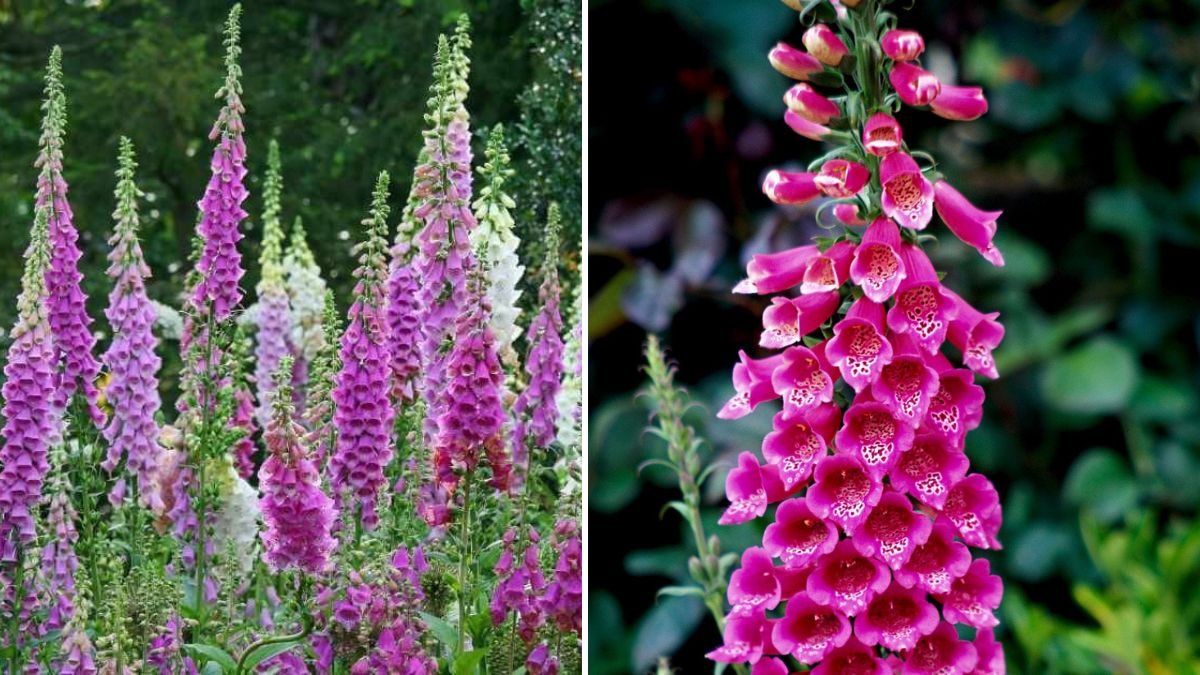
Digitalis, commonly known as foxglove, is a stunning biennial or perennial plant valued for its bell-shaped flowers. These flowers not only add vibrancy to gardens but also attract pollinators, making them a favored choice for both novice and experienced gardeners. This article delves into the best methods for successfully growing Digitalis in your garden, covering everything from site selection to care routines.
Understanding Digitalis
Taxonomy and Varieties
Digitalis belongs to the family Plantaginaceae, with the most famous species being Digitalis purpurea. Varieties come in a range of colors, including purple, pink, white, and yellow. While D. purpurea is biennial, other varieties like D. lutea and D. grandiflora can be perennial.
Growing Zones
Digitalis thrives in USDA Hardiness Zones 4-9. Gardeners in cooler zones might find biennial species manage better as they can reseed and grow in successive years.
Site Selection
Sunlight Requirements
Digitalis prefers partial shade but can tolerate full sun, especially in cooler climates. Too much direct sunlight may cause scorching, particularly in hotter regions. Look for areas that receive morning sun and afternoon shade.
Soil Conditions
The ideal soil for Digitalis is well-drained, fertile, and slightly acidic to neutral (pH 6.0-7.0). Heavy clay or overly sandy soils should be amended with compost or organic matter to improve drainage and nutrient content.
Spacing and Companion Planting
When planting Digitalis, space the plants about 12-18 inches apart to allow for adequate airflow and growth. Consider companion planting with other shade-loving plants like hostas or ferns that can complement and enhance the garden’s aesthetic.
Planting Digitalis
Seed Propagation vs. Transplanting
-
Seed Propagation: Digitalis can be propagated from seeds, which can be sown indoors about 6-8 weeks before the last frost or directly in the garden in early spring. Cold stratification can also help enhance germination rates.
-
Transplanting: If starting with seedlings, harden them off before transplanting outdoors. This involves gradually exposing them to outdoor conditions over a week.
Best Time to Plant
The best planting time for Digitalis in most regions is in the spring or early fall, depending on climate conditions. This ensures optimal growth and flowering in the following season.
Care and Maintenance
Watering
Digitalis prefers consistent moisture but should not be waterlogged. Water the plants thoroughly after planting, then allow the top inch of soil to dry out before watering again. Installing a mulch layer can help retain soil moisture and suppress weeds.
Fertilization
Incorporating organic fertilizer or compost at the time of planting will provide essential nutrients. After the first growing season, a balanced fertilizer can be applied in early spring to promote robust growth.
Pruning and Deadheading
Deadheading, or removing spent flowers, encourages more blooms and prevents the plants from exhausting themselves. In the fall, cut back any dead foliage to the ground to allow for fresh growth the following spring.
Pest and Disease Management
Digitalis is relatively pest-resistant, but keep an eye out for aphids, snails, and slugs. Healthy plants are generally not affected by disease, but avoid overhead watering to reduce the risk of fungal issues.
Encouraging Blooming
Lifespan and Flowering Cycle
As a biennial, Digitalis typically flowers in its second year of growth. If grown as a perennial through self-seeding, you can enjoy blooms for years. To promote continuous blooming, stagger plantings of different varieties or sow seeds in succession.
Overwintering
In regions with cold winters, Digitalis may need extra care. Mulching plants with straw or leaves can help insulate roots. In milder climates, they usually survive without much intervention.
Harvesting and Uses
Digitalis plants can be harvested for their flowers, which are often used in floral arrangements. However, it’s essential to note that the leaves are toxic if ingested; thus, caution is necessary if you have pets or young children.
FAQs
1. Is Digitalis poisonous?
Yes, Digitalis is toxic if ingested. It contains compounds that can cause serious health issues. Always handle with care and keep it out of reach of children and pets.
2. Can I grow Digitalis in containers?
Yes, Digitalis can be grown in containers, provided they have adequate drainage and are placed in a location where they receive partial shade.
3. How often should I water Digitalis?
Water Digitalis when the top inch of soil becomes dry. It’s essential to ensure proper drainage to prevent root rot.
4. Will Digitalis self-seed?
Yes, many species of Digitalis will self-seed, allowing new plants to grow in successive years. This is particularly true for biennial varieties.
5. What should I do if my Digitalis isn’t blooming?
If your Digitalis isn’t blooming, check for issues such as insufficient light, poor soil drainage, or nutrient deficiencies. Be sure to deadhead spent flowers to promote further blooming.
6. How long does it take for Digitalis to flower from seed?
From seed, Digitalis typically takes about 12-14 weeks to grow into mature plants that bloom in their second year.
7. Can Digitalis tolerate drought conditions?
While Digitalis prefers moist conditions, it can tolerate short periods of drought. However, prolonged dry spells can impede growth and flowering.
8. What’s the best way to propagate Digitalis?
The best way to propagate Digitalis is through seed sowing. Seeds can either be sown directly in the garden or started indoors for later transplantation.
9. Are there any special requirements for Digitalis care in containers?
In containers, ensure proper drainage and consider using a high-quality potting mix. Container-grown plants may require more frequent watering and fertilization.
10. How can I extend the blooming period of Digitalis?
To extend the blooming period, deadhead spent flowers and consider planting different varieties that bloom at different times. Succession planting can also help ensure continuous color in the garden.
Conclusion
Digitalis is a magnificent addition to any garden, providing stunning blooms and attracting pollinators. By following the methods outlined in this article, you’ll be well-equipped to cultivate this beautiful plant successfully. With the right care, your Digitalis will flourish, adding to the beauty and diversity of your garden for years to come.