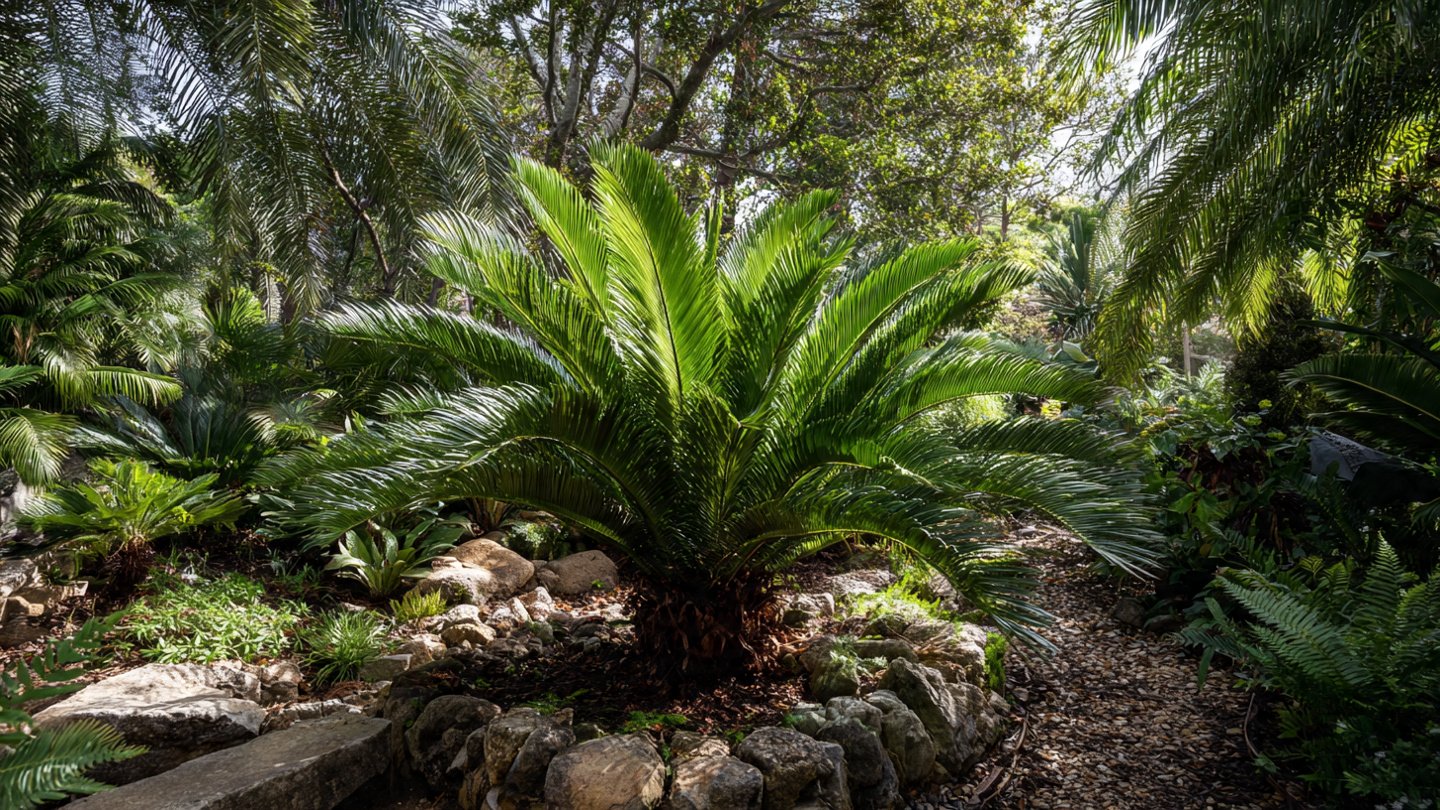
Cycas revoluta, commonly known as the Sago palm, is a popular ornamental plant characterized by its unique foliage and robust nature. While it is not a true palm but a cycad, the Sago palm has captured the hearts of garden enthusiasts and landscapers alike. Native to Japan and parts of China, it adds a tropical touch to gardens, patios, and even indoors. If you’re considering cultivating this exquisite plant, understanding its requirements and addressing its needs is crucial for optimal growth and health. This article will cover best practices for cultivating Cycas revoluta, from planting to maintenance, and provide a comprehensive FAQ section to answer common questions.
Understanding Cycas Revoluta
Before diving into the best practices for cultivation, it’s essential to understand the characteristics of Cycas revoluta. The Sago palm is known for its stiff, evergreen fronds that can grow up to 3 feet long. The plant has a central trunk, which can reach a height of about 10 feet, although most remain shorter when grown in gardens. Sago palms are dioecious, meaning they have distinct male and female plants, and only female plants produce the iconic cones that hold seeds.
Climate and Hardiness Zones
Sago palms thrive in USDA hardiness zones 8 to 10. They prefer warm, sunny climates with well-draining soil. While they can tolerate some cold, prolonged exposure to freezing temperatures may damage the plant. Understanding your local climate and microclimate is crucial before planting to ensure successful growth.
Best Practices for Cultivating Cycas Revoluta
1. Choosing the Right Location
Light Requirements: Cycas revoluta prefers full sun to partial shade. It thrives best when it receives at least 6 hours of sunlight each day. A location with filtered sunlight is suitable for areas with extremely hot climates.
Drainage: Ensure that the selected site has excellent drainage. Sago palms are susceptible to root rot if their roots sit in waterlogged soil.
Protection from Wind: They are reasonably sturdy but can be damaged by strong winds. Planting them in sheltered areas can help preserve their structural integrity.
2. Soil Preparation
Soil Type: Use a well-draining soil mix. Sandy loam is ideal but can be supplemented with organic matter such as compost to improve fertility.
pH Level: The ideal pH for growing Cycas revoluta is between 6.0 and 7.5. Perform a soil test to determine if amendments are necessary to achieve optimal pH.
Amendments: If your soil is heavy and clay-like, consider mixing in perlite or sand to enhance drainage. Organic compost can also provide vital nutrients.
3. Planting Techniques
Spacing: When planting multiple Sago palms, space them at least 4 to 10 feet apart to allow for natural growth and to facilitate airflow between plants.
Planting Depth: Ensure that the top of the root ball is level with the soil surface. Avoid burying the trunk as this can lead to rot.
Watering After Planting: Water the plant thoroughly after planting to settle the soil around the roots. However, avoid overwatering.
4. Watering and Fertilization
Watering Schedule: Regular watering during the growing season (spring to fall) is essential. Water deeply, allowing the soil to dry out slightly between waterings. In the winter, reduce the frequency as the plant enters dormancy.
Fertilization: Use a slow-release, balanced fertilizer formulated for palms. Apply fertilizer in early spring and again in mid-summer, following the manufacturer’s recommendations.
Signs of Over or Underwatering: Yellowing fronds can indicate overwatering, while browning tips can indicate underwatering. Adjust your watering schedule accordingly.
5. Pruning and Maintenance
Pruning: Remove old, yellowing fronds at the base to maintain the plant’s appearance and promote healthy growth. Be cautious with pruning, as the plant’s new growth emerges from the center.
Pest Management: Keep an eye out for pests such as scale and mealybugs. Treat infestations promptly with insecticidal soap or neem oil if necessary.
Disease Prevention: Sago palms are generally resistant to diseases but can be susceptible to root rot if overwatered. Ensure good drainage and avoid water accumulation around the base.
6. Protecting from Cold Weather
If you live in an area where temperatures can drop below freezing, consider the following protective measures:
- Mulching: Apply a layer of mulch around the base to provide insulation.
- Covering: Use frost cloths or burlap to cover the plants during cold snaps.
- Location: If possible, choose a planting site that offers some protection from harsh winds and cold temperatures.
Common Problems and Solutions
1. Yellowing Leaves
Cause: Overwatering or nutrient deficiency.
Solution: Check soil moisture levels and adjust your watering schedule. If nutrient deficiency is suspected, apply a balanced fertilizer.
2. Browning Leaf Tips
Cause: Underwatering or low humidity.
Solution: Increase watering frequency and ensure that the plant receives consistent moisture.
3. Slow Growth
Cause: Poor soil conditions or insufficient light.
Solution: Test the soil for nutrient content and pH, and amend as necessary. Ensure the plant is receiving adequate sunlight.
FAQs about Cultivating Cycas Revoluta
Q1: Can I grow Cycas revoluta indoors?
Yes, Sago palms can be grown indoors as long as they receive adequate sunlight. Place them near a south-facing window and ensure proper drainage.
Q2: How often should I fertilize my Sago palm?
Fertilize your Sago palm twice a year: once in early spring and again in mid-summer using a balanced fertilizer designed for palms.
Q3: Are Sago palms toxic to pets?
Yes, Sago palms are considered toxic to pets, particularly dogs and cats. The seeds and leaves contain cycasin, which can cause severe illness if ingested.
Q4: How long does it take for a Sago palm to mature?
Sago palms are slow-growing plants. Depending on care and environmental conditions, they may take 10-20 years to reach their full height.
Q5: Can I propagate Cycas revoluta?
Yes, Sago palms can be propagated from seeds or offsets. However, propagation takes time and patience and is typically more successful via offsets.
Q6: How can I tell if my Sago palm is male or female?
The male Sago palm produces a cone that is cylindrical and upright, while the female produces a larger, rounded cone from which seeds develop.
Q7: What should I do if my Sago palm becomes root-bound?
If your Sago palm is root-bound, consider repotting it in a larger container with fresh potting mix to provide more space for growth.
Conclusion
Cultivating Cycas revoluta can be a rewarding endeavor, adding a touch of unique elegance to your garden. By understanding their needs for light, water, soil, and maintenance, you can optimize their growth and ensure a long, healthy life for your Sago palms. Remember to monitor for pests and diseases while providing care tailored to their specific needs. With dedication and proper techniques, your Sago palms can thrive, creating a stunning focal point in your garden.
By following these best practices and addressing common concerns, you’ll ensure that Cycas revoluta flourishes in your garden environment, allowing you to enjoy its beauty for years to come.