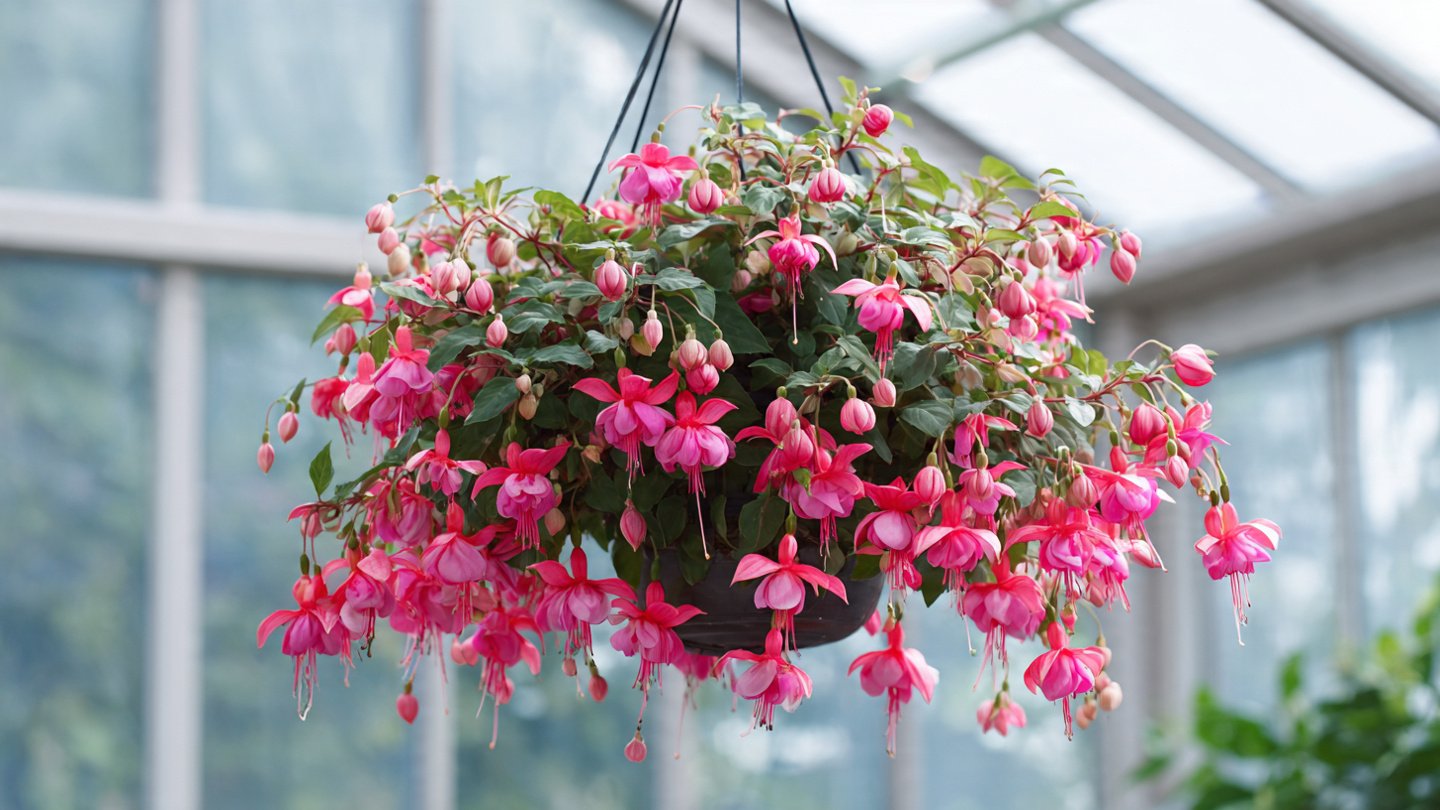
Fuchsia is a stunning plant that dazzles with its vibrant colors and unique drooping blossoms. Cultivating fuchsia hanging baskets indoors can provide a show-stopping display that brightens up any space. However, to achieve maximum bloom abundance, you’ll need to adopt some best practices for care, maintenance, and environmental conditions. This article will explore these best practices in detail and answer some frequently asked questions.
Understanding Fuchsia
Fuchsia plants belong to the Onagraceae family and are native to Central and South America, as well as New Zealand. They come in various species and hybrids, each captivating with its clusters of blossoms in shades of pink, purple, red, and white. They thrive in partially shaded environments, making them excellent indoor plants when cared for properly.
Choosing the Right Varieties
Before beginning your fuchsia journey, selecting the right variety for your indoor environment is crucial. Here are a few popular types:
- Fuchsia magellanica: Known for its hardiness, this variety produces bright, drooping flowers and can tolerate cooler temperatures.
- Fuchsia x hybrida: These hybrids are often filled with colorful blossoms and come in a variety of textures and sizes.
- Fuchsia ‘Swingtime’: A smaller, compact variety suitable for hanging baskets, showcasing stunning pink and white blooms.
Potting and Soil
A successful indoor growing begins with the right potting mix and container.
Ideal Potting Mix
Fuchsias prefer nutrient-rich, well-draining soil. A good potting mix typically includes:
- Peat moss for moisture retention.
- Perlite or vermiculite to enhance drainage.
- Compost to provide essential nutrients.
You can also use a commercially available potting mix labeled for flowering plants.
Choosing the Right Container
When selecting a hanging basket, consider:
- Size: A basket with a diameter of at least 10-12 inches is ideal for fuchsias to allow for enough root growth.
- Drainage holes: Ensure the container has adequate drainage to prevent root rot.
- Material: While wooden or wire baskets are popular, plastic containers offer excellent moisture retention and are lightweight.
Proper Lighting
Fuchsias thrive in bright, indirect light. Here’s how to ensure your plants get the right amount:
- Location: Place your hanging baskets near east or north-facing windows where they can receive morning sunlight.
- Supplemental lighting: If your home lacks sufficient natural light, consider using grow lights. Aim for 12-16 hours of light per day, adjusted based on the plant’s response.
Watering Practices
Proper watering is crucial for healthy fuchsia plants. Follow these guidelines:
- Consistency: Keep the soil consistently moist but not soggy. Overwatering can lead to root rot, while underwatering will cause wilting.
- How to check: Stick your finger about an inch into the soil. If it feels dry, it’s time to water.
- Watering technique: Water thoroughly until you see drainage from the bottom, and never let the baskets sit in standing water.
Temperature and Humidity
Fuchsias prefer mild temperatures and moderate humidity. Here’s how to create a suitable environment:
- Ideal temperature: Aim for a temperature range between 60°F to 75°F (15°C to 24°C).
- Humidity: Fuchsias thrive in humidity levels of 50% or higher. If your indoor air is dry, especially in winter, consider using a humidifier or placing a tray of water near your plants.
Fertilization
To ensure maximum bloom abundance, regular fertilization is essential:
- Fertilizer type: Use a balanced, water-soluble fertilizer with equal parts nitrogen, phosphorus, and potassium (e.g., 20-20-20).
- Feeding frequency: From spring to late summer, fertilize every 4-6 weeks. Reduce feeding in fall and stop in winter when the plant enters dormancy.
Pruning and Deadheading
Regular pruning helps promote bushy growth and abundant blooms:
- When to prune: Early spring is the best time to prune fuchsia plants.
- How to prune: Remove any dead or yellowing leaves, and pinch back the tips of stems to encourage bushy growth.
- Deadheading: Remove faded flowers to promote the production of new blooms.
Pest Management
Indoor fuchsias can suffer from various pests, including aphids, spider mites, and whiteflies. Here’s how to manage them:
- Regular inspections: Check your plants weekly for signs of pests or stress.
- Natural remedies: Use insecticidal soap or neem oil to combat infestations. Always test a small area first to ensure it doesn’t harm the plant.
- Isolation: If you notice a pest problem, isolate the affected plant to prevent the spread.
Support Structures
Because fuchsias can grow long and leggy, providing support can be beneficial:
- Use trellises or stakes: This can help prevent plants from falling over and encourages upward growth.
- Twist ties or soft strings: Use these to guide the stems gently upward while they grow.
Seasonal Care
Indoor fuchsias require different care depending on the season:
- Spring: Start fertilizing as new growth appears. Increase watering as temperatures rise.
- Summer: Maintain regular watering and feeding for optimal growth.
- Fall: Prepare the plants for dormancy by reducing watering and avoiding fertilization.
- Winter: Keep in a cool, dark area; this is a time for rest.
Common Challenges
Even with excellent care, you may face challenges with your fuchsia hanging baskets.
- Poor blooming: This could result from inadequate light or nutrients. Adjust your lighting and increase fertilization.
- Wilting: Over or underwatering could be the culprit; ensure you’ve established a consistent watering regime.
- Leaf drop: This can indicate stress from temperature fluctuations or pests. Check for signs of insects and keep the temperature stable.
Conclusion
Cultivating fuchsia hanging baskets indoors requires attention to light, temperature, moisture, and nutrients. By selecting the right variety, potting correctly, providing adequate light, and following the outlined best practices, you can enjoy the stunning blooms of fuchsias throughout the year.
FAQs
1. How often should I water my fuchsia hanging basket?
Water your fuchsia hanging basket when the top inch of soil feels dry. This is typically every 2-3 days, but it can vary based on environmental conditions.
2. Can fuchsias tolerate full sun?
Fuchsias prefer partial shade and can scorch in full sunlight. Morning sun is ideal, but avoid harsh afternoon rays.
3. How do I know if my fuchsia needs more light?
If your fuchsia begins to stretch or grow leggy with fewer blooms, it may need more light. Adjust the plant’s location accordingly.
4. Can I grow fuchsias outdoors?
Yes, fuchsias can be grown outdoors in suitable climates. However, they may need to be brought indoors during colder months.
5. What should I do if my fuchsia stops blooming?
Ensure it receives adequate light, nutrients, and proper water. Deadhead spent blooms to encourage new growth.
6. Are fuchsias toxic to pets?
Fuchsias are generally non-toxic to cats and dogs. However, it’s always best to keep any houseplants out of reach to prevent any potential issues.
Following these tips and maintaining awareness of your fuchsia’s needs will create an indoor oasis filled with beautiful blooms. Enjoy your gardening journey!