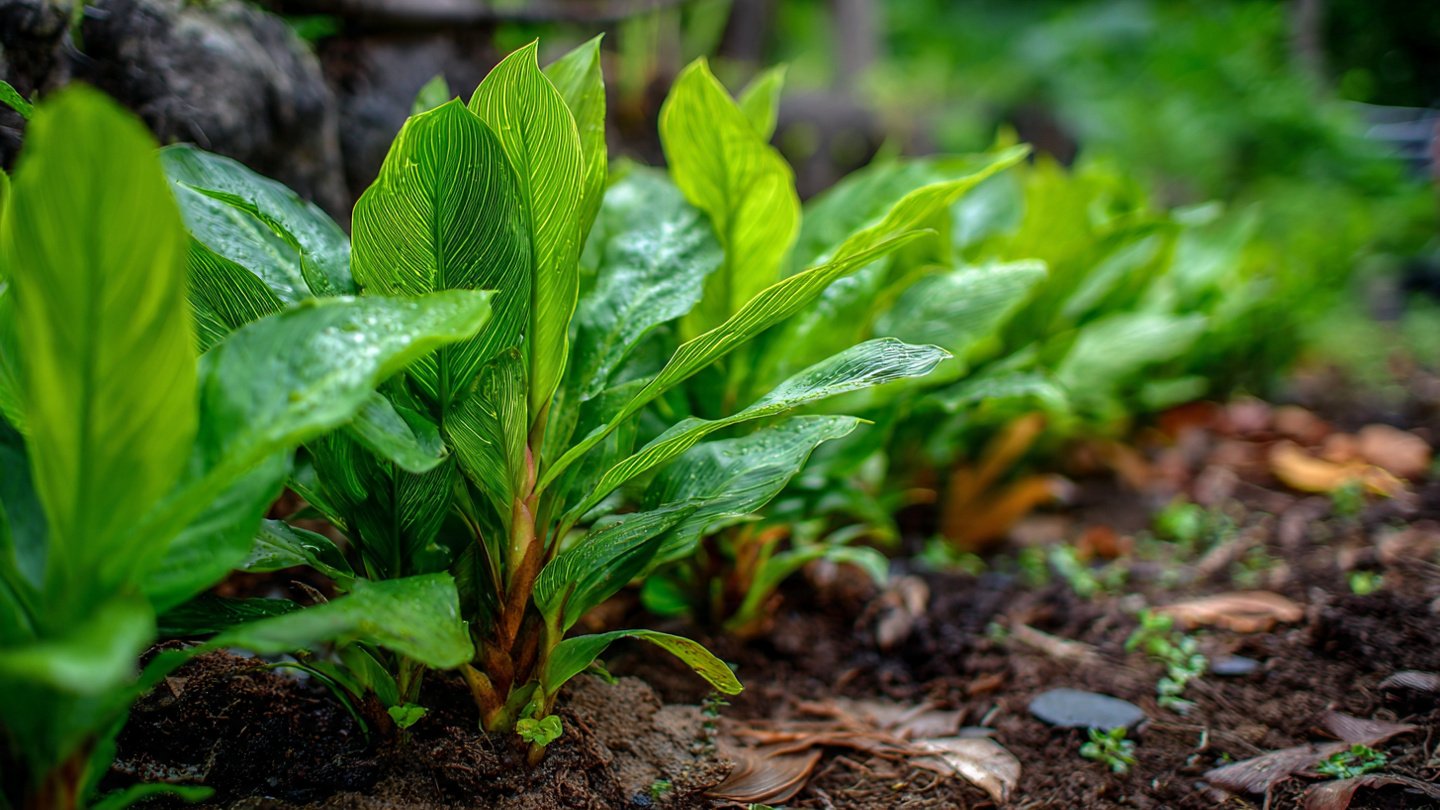
Turmeric, known scientifically as Curcuma longa, is a cherished spice and medicinal herb, renowned for its vibrant yellow-orange hue and potent health benefits. Growing turmeric at home provides not only fresh rhizomes for culinary uses but also a source of pride and connection with nature. If you’re eager to cultivate turmeric and accelerate its growth naturally, this guide will walk you through effective techniques to achieve a lush and bountiful harvest.
Understanding Turmeric
Before diving into techniques, it’s crucial to understand the plant. Turmeric is a tropical plant that thrives in warm, humid environments. It is typically grown from rhizomes, which are the underground stems of the plant. When planting turmeric, it’s essential to choose healthy, plump rhizomes that have several ‘eyes’ or buds, which indicate robust growth potential.
Preparing the Soil for Turmeric
1. Soil Composition
Turmeric prefers slightly acidic, well-drained soil with a pH level between 6.0 and 7.0. A good mix can be achieved by integrating:
- Garden Soil: Rich in organic matter.
- Sand or Perlite: To enhance drainage and prevent waterlogging.
- Compost: A fantastic source of nutrients that helps improve soil structure and fertility.
2. Soil Testing
Conduct a soil test to check pH and nutrient levels. Many local extension services offer soil testing kits. If your soil is too alkaline, consider adding sulfur or organic matter to lower the pH.
3. Tilling
Tilling the soil to a depth of 12 to 16 inches is essential. This breaks up compacted soil, promotes aeration, and enhances root development.
Selecting and Planting Turmeric Rhizomes
4. Choosing the Right Rhizomes
Select high-quality rhizomes from a reputable source. Look for rhizomes that are firm, plump, and have several buds. Avoid those that look shriveled or have mold.
5. Preparing Rhizomes for Planting
Before planting, soak the rhizomes in water for about 24 hours. This helps kickstart the sprouting process. You can also sprinkle the rhizomes with water and store them in a warm, dark place for a few days to encourage bud development.
6. Planting Time
In most climates, the best time to plant turmeric is in the spring, after the last frost. In tropical regions, it can be planted year-round.
7. Spacing and Planting
Plant the rhizomes about 2 to 3 inches deep and 12 to 15 inches apart to allow enough space for growth. This prevents overcrowding and ensures each plant has adequate access to nutrients.
Providing Optimal Growing Conditions
8. Temperature and Humidity
Turmeric flourishes in warm conditions, ideally between 70°F to 85°F (20°C to 30°C). If you live in a cooler climate, consider planting turmeric in pots so you can move them indoors during cold spells.
Turmeric also loves humidity. If you’re growing it indoors, regularly misting the leaves or using a humidifier can help replicate its native tropical habitat.
9. Sunlight Requirements
Turmeric thrives in partial sunlight. A location with about 4 to 6 hours of indirect sunlight each day is ideal. Too much direct sunlight can scorch the leaves, while too little can hinder growth.
10. Watering
Turmeric prefers consistently moist soil, but be careful not to overwater, as this can lead to rot. Water deeply once or twice a week, allowing the top inch of soil to dry out between watering sessions.
Organic Nutrient Boosters
11. Fertilizing Naturally
To accelerate turmeric growth, provide organic fertilizers that are rich in nitrogen, phosphorus, and potassium. Some options include:
- Composted Animal Manure: Well-rotted manure is an excellent source of nutrients.
- Banana Peels: These are rich in potassium and can be added directly to the soil or used to make a nutrient-rich tea.
- Eggshells: Crushed eggshells add calcium to the soil.
12. Mulching
Applying a layer of organic mulch, such as straw or dried leaves, helps retain moisture, suppress weeds, and gradually enrich the soil as it decomposes.
Pest and Disease Management
13. Natural Pest Control
Turmeric is vulnerable to various pests, including aphids and spider mites. Instead of using chemical pesticides, consider natural alternatives:
- Neem Oil: Effective against a variety of pests and acts as a fungicide.
- Insecticidal Soap: A safe and effective way to control soft-bodied insects.
Regularly inspect your plants for signs of pests and act quickly to treat any infestations.
14. Disease Prevention
Turmeric can be susceptible to diseases like root rot and leaf spot. To prevent these issues:
- Ensure proper drainage.
- Avoid overhead watering and water the base of the plants directly.
Harvesting Turmeric
15. Determining Harvest Time
Turmeric typically takes 8 to 10 months to mature. You’ll know it’s time to harvest when the leaves begin to yellow and die back. Gently lift the rhizomes with a garden fork, taking care not to damage them.
16. Post-Harvest Processing
After harvesting, wash the rhizomes thoroughly to remove soil. You can store them in a cool, dry place for several weeks or use them fresh or dried for cooking.
FAQs
1. Can turmeric be grown in pots?
Yes, turmeric can be successfully grown in pots. Ensure the pot is at least 12 inches deep and has drainage holes.
2. What climate is best for turmeric?
Turmeric thrives in warm, humid environments with temperatures ranging from 70°F to 85°F (20°C to 30°C).
3. How often should I water turmeric?
Water turmeric deeply once or twice a week, allowing the top inch of soil to dry out between waterings.
4. Can I grow turmeric indoors?
Yes, turmeric can be grown indoors. Ensure it receives bright, indirect sunlight and keep the humidity levels high.
5. How long does it take for turmeric to grow?
Turmeric typically takes 8 to 10 months to mature.
6. What common pests affect turmeric?
Common pests include aphids and spider mites. Neem oil and insecticidal soaps can be effective eco-friendly treatments.
7. Can I harvest turmeric before it’s fully mature?
You can harvest young rhizomes for culinary use, but for the best flavor and health benefits, allow them to mature for the full 8 to 10 months.
8. What nutrients do turmeric plants need?
Turmeric plants benefit from nitrogen, phosphorus, and potassium, which can be supplied through organic fertilizers like compost and natural amendments.
Conclusion
Cultivating turmeric at home can be a rewarding endeavor, offering both culinary delights and an ongoing connection to nature. With proper preparation, care, and attention to your turmeric plants, you can achieve swift growth and enjoy the many benefits this remarkable plant has to offer. Embrace these techniques, nurture your plants, and watch them flourish!